The persistent battle against spider mites is a common plight for plant enthusiasts and growers alike. These minuscule arachnids can wreak havoc on foliage, leaving behind tell-tale webbing and damaged leaves. As plant owners search for effective eradication methods, a question frequently arises: can freezing temperatures effectively kill spider mites and their resilient eggs? This article delves into the science behind how freezing impacts these pervasive pests, exploring the vulnerabilities of adult mites versus the remarkable durability of their eggs. We will examine the physiological effects of extreme cold, weigh the practicalities of using freezing as a control measure, and ultimately provide a comprehensive answer to this crucial pest management query.
The biology of spider mites and their vulnerabilities
Before assessing the impact of freezing, it is vital to understand the basic biology of spider mites, primarily species like Tetranychus urticae, commonly known as the two-spotted spider mite. These pests thrive in warm, dry conditions, completing their life cycle from egg to adult in as little as five to seven days under optimal temperatures (around 70-80°F or 21-27°C). A typical life cycle involves four stages: egg, larva, nymph (protonymph and deutonymph), and adult. Each stage feeds on plant cells, leading to characteristic stippling and eventual yellowing or bronzing of leaves. Their rapid reproductive rate allows populations to explode quickly, making early detection and intervention critical.
Spider mites are incredibly small, typically less than 0.5 millimeters, and possess a soft exoskeleton, making them susceptible to various environmental stressors. They lack complex internal temperature regulation mechanisms, relying on their external environment for warmth. This dependency on external conditions is their primary vulnerability when it comes to extreme temperatures. Their bodies are largely composed of water, which, when frozen, expands and can cause cellular damage and rupture. However, nature has equipped many small organisms with survival strategies against adverse conditions, including temperature fluctuations, which we will explore further in the context of their eggs.
Freezing temperatures and adult spider mites
When exposed to sufficiently low temperatures, adult spider mites are indeed vulnerable and generally cannot survive prolonged freezing. The critical temperature for outright mortality in most spider mite species is typically below 32°F (0°C). As temperatures drop, their metabolic processes slow down significantly, leading to inactivity. If the temperature falls below their physiological freezing point, the water within their cells begins to crystallize. This ice formation can puncture cell membranes, damage organelles, and disrupt vital cellular functions, ultimately leading to death. The duration of exposure is also a key factor; a brief dip below freezing might stun or temporarily immobilize them, but sustained exposure at temperatures well below freezing is usually lethal.
Studies and practical observations suggest that temperatures around 10-20°F (-12 to -7°C) for several hours can effectively kill a large percentage of adult spider mites. However, the exact temperature and duration required can vary slightly depending on the specific mite species and their physiological state. While freezing can be highly effective against active adult mites, the practical application often presents challenges, especially concerning plants that themselves cannot tolerate freezing conditions. Furthermore, the presence of plant material can offer some insulation, potentially allowing mites in protected crevices to survive short exposures. This leads us to consider the most resilient stage of the spider mite life cycle: their eggs.
The resilience of spider mite eggs to cold
While adult spider mites are relatively susceptible to freezing, their eggs exhibit a remarkable degree of resilience, making them much harder to eradicate with cold temperatures alone. Spider mite eggs, particularly those laid for overwintering, often enter a state called diapause. Diapause is a period of suspended development, characterized by reduced metabolic activity and increased tolerance to environmental stressors, including extreme cold, drought, and lack of food. During diapause, the eggs produce cryoprotective compounds, such as glycerol, which act as natural antifreeze, preventing ice crystal formation within their cells and protecting cellular structures from damage. This mechanism significantly lowers their supercooling point (the temperature at which freezing spontaneously occurs).
Research has shown that diapausing spider mite eggs can survive temperatures well below 0°F (-18°C) for extended periods, sometimes even below -20°F (-29°C), depending on the species and prior acclimatization. Non-diapausing eggs, laid during active growth periods, are less tolerant but still more resistant than adults. They often have thicker chorions (egg shells) that provide some protection. This resilience means that even if a freezing event successfully eliminates all adult and nymph stages, a fresh population can hatch once conditions become favorable again, rendering the freezing treatment largely ineffective as a standalone solution. This crucial difference between the vulnerability of adults and the robustness of eggs is why freezing is rarely recommended as a primary, singular control method for spider mites.
Practical considerations and limitations of freezing as a pest control method
While the theoretical effectiveness of freezing against adult spider mites is clear, its practical application for pest control is fraught with limitations. The most significant hurdle is that most house plants and garden plants that are susceptible to spider mites cannot withstand freezing temperatures themselves. Exposing plants to cold enough temperatures and for a sufficient duration to kill mites would inevitably damage or kill the host plant. Even plants that can tolerate some cold might suffer severe stress, making them more vulnerable to subsequent pest infestations or diseases.
Furthermore, achieving sustained, uniform freezing temperatures across all parts of an infested plant, including crevices and undersides of leaves where mites often hide, can be challenging without specialized equipment. The risk of eggs surviving and re-infesting the plant quickly negates any initial success against adults. Therefore, freezing is generally not a recommended or practical method for controlling spider mites on live plants. Instead, integrated pest management (IPM) strategies that combine cultural practices (e.g., proper watering, humidity), biological controls (e.g., predatory mites), and judicious use of horticultural oils or insecticidal soaps are far more effective and plant-friendly. The following table illustrates the comparative efficacy:
| Target Stage | Susceptibility to Freezing | Reason for Susceptibility/Resistance | Effectiveness of Freezing as Control |
|---|---|---|---|
| Adult Mites | High | Body water freezes, cell rupture; lack of internal temperature regulation. | High for direct kill, but practical application limited by plant tolerance. |
| Nymphs/Larvae | High | Similar to adults, soft bodies, susceptible to ice formation. | High for direct kill, but practical application limited by plant tolerance. |
| Eggs (non-diapausing) | Moderate | Thicker chorion, some inherent cold tolerance, but less than diapausing. | Variable, many can survive short/moderate freezes. |
| Eggs (diapausing) | Low | Cryoprotectants (e.g., glycerol), metabolic suspension, robust chorion. | Very low, highly resistant to extreme cold for extended periods. |
In conclusion, while freezing temperatures can certainly kill adult spider mites, their effectiveness as a practical pest control method is severely limited, primarily due to the remarkable resilience of spider mite eggs. Adult mites and nymphs, lacking sophisticated cryoprotective mechanisms, are vulnerable to ice formation within their bodies at temperatures below freezing. However, their eggs, especially those in diapause, possess natural antifreeze compounds and reduced metabolic rates that allow them to endure extreme cold, sometimes for extended periods. This means that even if a plant could tolerate freezing, a population of spider mites could rapidly re-establish from surviving eggs once temperatures rise again.
Therefore, relying on freezing as a standalone solution for spider mite infestations is largely impractical and ineffective for most live plants. Instead, plant owners should prioritize integrated pest management (IPM) approaches that include regular inspection, maintaining appropriate humidity levels, using targeted insecticidal soaps or horticultural oils, and introducing natural predators where feasible. These comprehensive strategies address all life stages of the mite, offering a much more sustainable and successful path to keeping your plants free from these persistent pests without risking damage to the foliage itself.
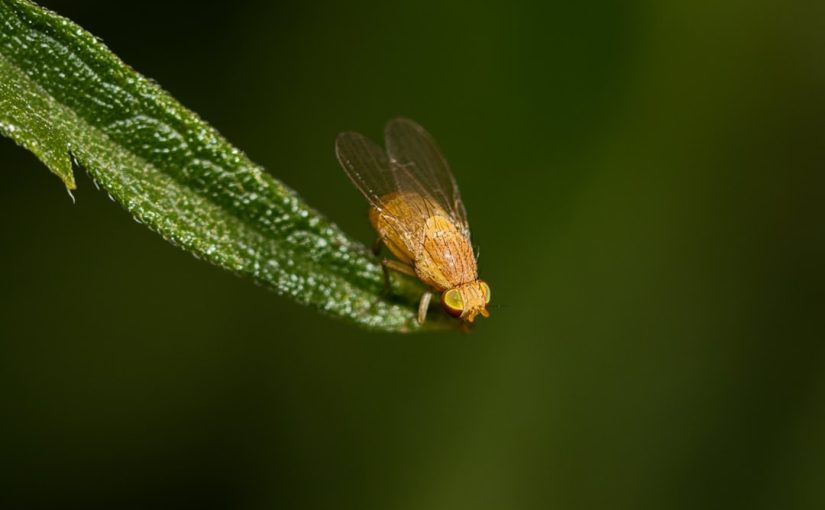
Image by: Олександр К