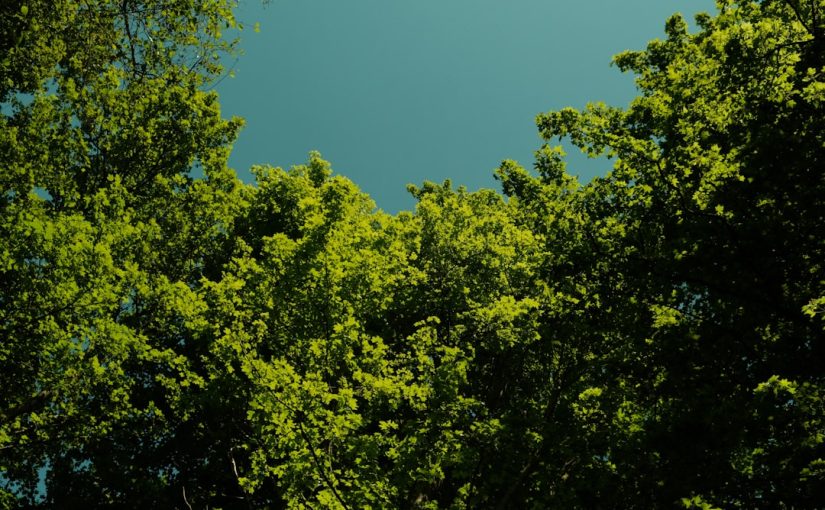
The quest for the perfect shade tree often leads homeowners down a path of compromise. Many desirable varieties offer ample shade but come with the perennial chore of raking mountains of fallen leaves, or they grow to gargantuan sizes that quickly overwhelm residential landscapes, potentially interfering with power lines or building foundations. Imagine a world where your shade tree provides year-round greenery, maintains a manageable stature, and doesn’t constantly litter your yard. This article will explore a curated selection of trees that defy these common challenges, focusing on species that are both evergreen and naturally compact or amenable to size management, offering an ideal solution for a low-maintenance, aesthetically pleasing, and effective shade source in your outdoor space.
Understanding the ideal shade tree: evergreen and compact
When we talk about the “ideal” shade tree in this context, we’re primarily seeking two key characteristics: evergreen foliage and a mature height that remains manageable in typical residential settings. An evergreen tree retains its leaves throughout the year, providing continuous shade, privacy, and visual interest, even during winter months when deciduous trees are bare. This eliminates the significant cleanup effort associated with autumn leaf drop, a major benefit for many homeowners.
Equally important is the “compact” aspect. While large, majestic shade trees certainly have their place, they often require extensive space that simply isn’t available in smaller suburban yards. A compact shade tree, for our purposes, is one that typically reaches a mature height between 15 to 40 feet, and ideally has a spread that is proportionate or can be managed with sensible pruning. This size range allows for effective shade over patios, decks, or parts of a yard without dominating the landscape or posing risks to nearby structures. These trees are often slower growing, which further aids in their manageability and reduces the frequency of heavy pruning. By focusing on these two traits, we can identify species that truly offer a harmonious balance between functionality and ease of care.
Top evergreen and compact shade tree selections
Finding trees that meet both the evergreen and compact criteria requires careful selection, as many popular shade trees are either deciduous or grow to immense sizes. However, several excellent choices fit the bill, offering beautiful foliage and effective shade without the typical drawbacks. Here are some top contenders:
- Podocarpus macrophyllus (Japanese Yew): While often seen as a large shrub, the Japanese Yew can be trained into an elegant, pyramidal tree. It features dense, needle-like evergreen leaves that provide excellent shade and privacy. It is incredibly adaptable to pruning, allowing for precise control over its shape and size. It tolerates a range of soil conditions and is relatively drought-tolerant once established. Mature height typically ranges from 20-40 feet, with a spread of 10-20 feet, making it a fantastic, manageable option.
- Ilex opaca (American Holly): This classic broadleaf evergreen is renowned for its iconic spiny leaves and bright red berries (on female plants). It grows into a dense, pyramidal shape, offering substantial shade. While it can eventually reach 50 feet or more in ideal conditions, its growth rate is relatively slow, and it maintains a moderate size for many years. Regular pruning can keep it to a more compact 20-30 feet, making it suitable for many landscapes where a stately, yet contained, evergreen presence is desired.
- Magnolia grandiflora ‘Little Gem’ (Dwarf Southern Magnolia): A celebrated cultivar of the majestic Southern Magnolia, ‘Little Gem’ offers all the beauty of its larger parent – glossy, dark green evergreen leaves with fuzzy brown undersides, and large, fragrant white flowers – but in a much more compact form. It typically grows to a mature height of 20-25 feet with a spread of 10-15 feet, making it an excellent choice for smaller gardens or as a focal point. Its dense foliage provides year-round screening and shade.
- Arbutus unedo (Strawberry Tree): This charming broadleaf evergreen features attractive reddish bark, dark green leaves, and white bell-shaped flowers that bloom in autumn, followed by edible, strawberry-like fruits. It grows at a moderate pace, reaching 15-30 feet tall and wide, making it a beautiful, multi-season interest tree that fits well in many garden sizes without becoming overbearing.
Here’s a comparative look at some of these excellent choices:
| Tree species | Mature height (approx.) | Mature spread (approx.) | Key characteristics | Ideal USDA zones |
|---|---|---|---|---|
| Podocarpus macrophyllus | 20-40 ft | 10-20 ft | Dense, needle-like foliage; very amenable to pruning; drought-tolerant. | 7-11 |
| Ilex opaca | 20-50 ft | 15-30 ft | Classic pyramidal form; spiny leaves; red berries (female); slow growing. | 5-9 |
| Magnolia grandiflora ‘Little Gem’ | 20-25 ft | 10-15 ft | Glossy leaves, fragrant white flowers; compact dwarf cultivar. | 7-10 |
| Arbutus unedo | 15-30 ft | 15-30 ft | Reddish bark; flowers and edible fruits; moderate growth rate. | 8-11 |
Factors to consider before planting
Selecting the right tree is only the first step; successful establishment and long-term health depend heavily on careful planning before planting. Firstly, understanding your local USDA plant hardiness zone is paramount, especially for evergreens, as their ability to withstand winter temperatures dictates their survival. Beyond climate, assess your specific planting site’s conditions. Consider the soil type – is it sandy, clay, or loamy? What is its pH? Most trees prefer well-draining soil, so areas prone to waterlogging should be amended or avoided. Evaluate the amount of sunlight the chosen spot receives throughout the day, ensuring it matches the tree’s requirements (full sun, partial shade, etc.).
Crucially, consider the available space, both above and below ground. While these trees are compact, they still need room to grow without interference. Look up for power lines and down for underground utilities, septic systems, or pipes. Take into account the tree’s mature spread, ensuring it won’t crowd buildings, fences, or other plants. Roots can also be an issue; choose species known for less aggressive root systems if planting near foundations or pavement. Thoughtful consideration of these environmental and spatial factors will ensure your chosen evergreen shade tree thrives and contributes positively to your landscape for years to come.
Care and maintenance for long-term success
Once your chosen evergreen, compact shade tree is in the ground, proper care is essential for its successful establishment and sustained health. The first year after planting is critical; consistent watering is key. Even drought-tolerant species need regular, deep watering to develop a robust root system. Monitor soil moisture and water when the top few inches feel dry, reducing frequency as the tree matures and establishes itself.
Pruning plays a significant role in managing the size and shape of these trees. While they are naturally more compact, occasional pruning helps maintain their desired form, removes dead or diseased branches, and encourages healthy growth. For trees like Japanese Yew or American Holly, strategic pruning can keep them within their intended bounds without sacrificing their aesthetic appeal. Avoid heavy pruning late in the season, especially for evergreens, as new growth might not harden off before winter. Fertilization is generally not necessary for established trees in good soil, but a soil test can determine if specific nutrient deficiencies need to be addressed. Finally, regularly inspect your tree for signs of pests or diseases. Early detection and intervention can prevent minor issues from becoming major problems, ensuring your evergreen shade tree remains a vibrant and valuable asset to your landscape.
Selecting the right shade tree can significantly enhance your outdoor living space, providing beauty, comfort, and a touch of year-round tranquility. We’ve explored the distinct advantages of evergreen and compact varieties, highlighting how they bypass the common headaches of excessive leaf litter and overgrown canopies. From the adaptable Japanese Yew to the stately American Holly and the charming ‘Little Gem’ Magnolia, there are numerous options available that offer lush, continuous shade without demanding constant maintenance or an impossibly large footprint. Remember, the journey to a perfect shade tree involves more than just picking a species; it requires a thoughtful assessment of your specific site conditions and a commitment to proper planting and ongoing care. By taking these steps, you can confidently cultivate a beautiful, functional, and effortlessly elegant landscape that you’ll enjoy for decades, creating a serene oasis right in your own backyard.
Image by: Kyan Tijhuis