Hardy zones for birds of paradise plants
The majestic birds of paradise plant, with its striking, crane-like blooms, is a true horticultural marvel. Botanically known as Strelitzia, these captivating flora evoke images of tropical paradises and warm climates. For many gardeners, cultivating these exotic beauties is a dream, but understanding their specific environmental needs is crucial for success. Chief among these considerations is the concept of hardiness zones, a fundamental guide for knowing where a plant can thrive outdoors year-round. This article will delve into the critical role of USDA hardiness zones for birds of paradise plants, exploring the ideal conditions and offering practical advice for cultivating them, regardless of your geographical location.
Understanding USDA hardiness zones
The USDA Plant Hardiness Zone Map is a standardized tool that divides North America into 13 zones based on the average annual extreme minimum winter temperature. Each zone represents a 10-degree Fahrenheit difference, further broken down into ‘a’ and ‘b’ subzones for a 5-degree difference. This map is not just a casual suggestion; it is a vital indicator of which perennial plants are most likely to survive the winter in a given location. For plants like the birds of paradise, which are inherently tropical, knowing your zone is the first step in determining whether it can be grown directly in the ground or if it will require special overwintering care.
For the two most commonly cultivated species, Strelitzia reginae (the orange-flowered variety) and Strelitzia nicolai (the giant white-flowered type), their natural habitats are warm and frost-free. This inherent warmth preference means they have distinct thresholds for cold tolerance. While they can tolerate brief dips in temperature, prolonged exposure to freezing conditions is detrimental. The USDA zones provide a scientific basis for predicting these critical limits, allowing gardeners to make informed decisions and prevent the disappointment of a plant succumbing to winter chill.
Ideal hardiness zones for strelitzia
Birds of paradise plants generally flourish in warmer climates, aligning with higher USDA hardiness zones. For optimal growth and flowering outdoors year-round, Strelitzia plants are best suited for zones 10 through 12. In these zones, the average annual minimum temperatures rarely drop to levels that would cause significant damage or death to the plant.
- Zone 10: With minimum temperatures ranging from 30 to 40°F (-1.1 to 4.4°C), plants in zone 10 can typically survive outdoors, though they might experience some leaf damage if temperatures dip to the lower end of the spectrum. Light frost protection may still be beneficial during occasional severe cold snaps.
- Zone 11: Boasting minimum temperatures between 40 to 50°F (4.4 to 10°C), zone 11 is an ideal environment where birds of paradise can truly thrive without significant cold stress. They can grow into large, mature specimens and bloom prolifically.
- Zone 12: With minimums from 50 to 60°F (10 to 15.6°C), these zones offer the most tropical conditions, perfectly mirroring the plant’s native environment, allowing for vigorous, uninhibited growth.
It’s important to note that while *Strelitzia* can tolerate brief, light frosts, prolonged exposure to temperatures below 28-30°F (-2.2 to -1.1°C) will likely cause severe damage or kill the plant. The roots are more resilient than the foliage but can still be compromised by a hard freeze. Understanding these thresholds is key to successful cultivation.
Here’s a quick reference for suitability:
| USDA Hardiness Zone | Average Annual Minimum Temperature Range | Bird of Paradise Suitability |
|---|---|---|
| 9 | 20 to 25 °F (-6.7 to -3.9 °C) | Marginal (needs protection/container culture) |
| 10 | 30 to 35 °F (-1.1 to 1.7 °C) | Good (some frost risk, watch forecasts) |
| 11 | 40 to 45 °F (4.4 to 7.2 °C) | Ideal (outdoor year-round, little to no intervention) |
| 12 | 50 to 55 °F (10 to 12.8 °C) | Ideal (outdoor year-round, thriving) |
Protecting your birds of paradise in marginal zones
For gardeners living in USDA hardiness zones 9 and below, cultivating birds of paradise as a permanent outdoor fixture is challenging, if not impossible. However, this doesn’t mean you have to forgo these magnificent plants entirely. Container growing offers a viable and popular solution, allowing you to enjoy their beauty while providing necessary protection during colder months.
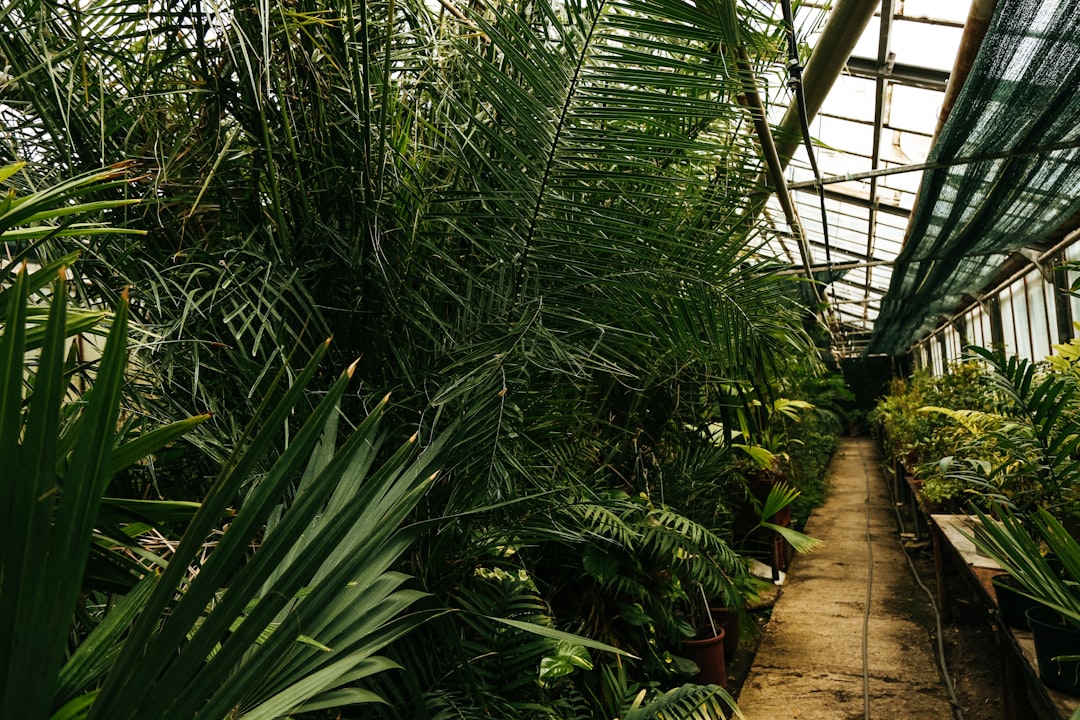
When growing in containers, select a pot that is large enough to accommodate the plant’s root system but not excessively oversized, as *Strelitzia* prefers to be slightly root-bound. During the warmer seasons, the potted plant can be placed outdoors in a sunny location. Before the first frost warning, it should be moved indoors to a bright, cool, but frost-free area, such as a sunroom, greenhouse, or a well-lit corner of a living room. Reduce watering during its indoor dormancy period. Ensure it receives adequate light to prevent leggy growth and maintain overall health. With proper care, your potted bird of paradise can thrive for years, rewarding you with its spectacular blooms season after season, regardless of your local hardiness zone.
Beyond hardiness: other environmental factors
While hardiness zones are a critical starting point, successful cultivation of birds of paradise also hinges on several other environmental factors. These plants thrive in full sun to partial shade, ideally receiving at least 6 hours of direct sunlight per day to encourage robust flowering. They prefer rich, well-draining soil with a slightly acidic to neutral pH. Heavy, waterlogged soils can lead to root rot, a common issue for *Strelitzia*.
Regular watering is essential during the growing season, especially for container-grown plants, but allow the top inch or two of soil to dry out between waterings. During cooler months or when plants are dormant indoors, watering should be reduced significantly. High humidity, while not strictly required, is appreciated and contributes to lush foliage. Fertilize regularly during spring and summer with a balanced liquid fertilizer to support vigorous growth and bloom production. Paying attention to these additional care elements will ensure your birds of paradise plant remains healthy and vibrant, maximizing its potential for breathtaking floral displays.
Cultivating the stunning birds of paradise plant requires a nuanced understanding of its environmental needs, with USDA hardiness zones serving as the foundational guide. We’ve explored how these zones dictate whether your Strelitzia can flourish outdoors year-round, ideally thriving in zones 10-12 where minimum winter temperatures are mild. For those in marginal zones, we’ve highlighted container growing and strategic overwintering as successful methods to enjoy these tropical beauties. Beyond cold tolerance, factors such as ample sunlight, well-draining soil, and appropriate watering and fertilization play equally vital roles in ensuring a healthy, blooming plant. By respecting these ecological requirements and adapting your approach to your specific climate, you can successfully cultivate the exotic charm of the birds of paradise, transforming your garden or indoor space into a vibrant, tropical sanctuary, regardless of your geographic location.
Image by: Backroad Packers