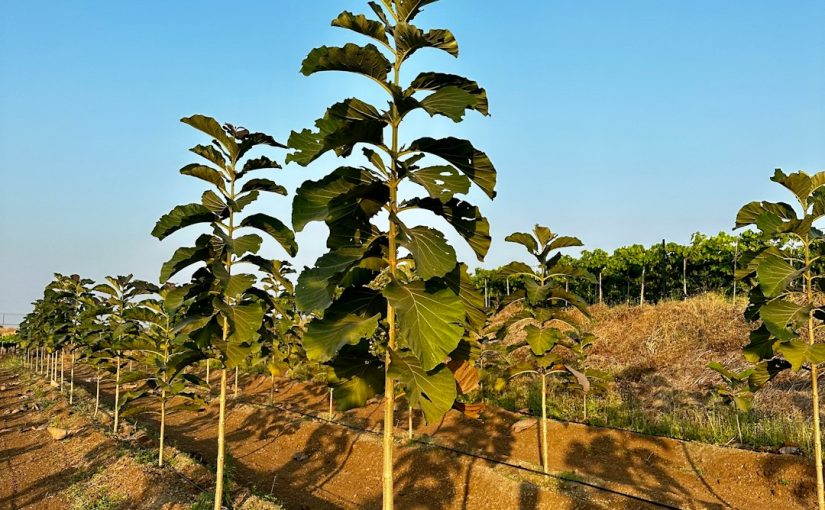
The majestic Green Giant Arborvitae (Thuja plicata ‘Green Giant’) has become a cornerstone for landscapes seeking privacy, windbreaks, or simply an imposing evergreen presence. Renowned for its rapid growth and elegant, conical shape, this hybrid conifer offers a durable and beautiful solution for many gardening needs. However, the ultimate success and health of your Green Giant hedge or stand hinge critically on one often-overlooked factor: proper planting distance. Placing these magnificent trees too close or too far apart can lead to myriad issues, from stunted growth and disease susceptibility to an ineffective privacy screen. Understanding the ideal spacing is not just about aesthetics; it’s about ensuring each tree has the resources—light, water, and nutrients—it needs to thrive and fulfill its intended purpose in your outdoor space.
Understanding green giant growth habits
Before deciding on the perfect spacing, it’s essential to truly grasp what makes the Green Giant Arborvitae such a unique and powerful landscape plant. These aren’t your typical small shrubs; they are vigorous growers capable of reaching impressive heights of 30 to 60 feet, with a spread of 8 to 15 feet at maturity, often adding 3 feet or more in height annually under optimal conditions. Their growth habit is distinctively conical, featuring dense, rich green foliage that remains vibrant year-round. This inherent density is a key reason they are prized for privacy and sound abatement. However, this same density, if not managed through proper spacing, can become a double-edged sword. Planting them too close restricts essential air circulation, making the trees more susceptible to fungal diseases and pest infestations. It also leads to fierce competition for light, water, and soil nutrients, potentially stunting overall growth and compromising the health of individual plants. On the flip side, planting them too far apart can delay the formation of a cohesive privacy screen, leaving gaps for years.
Spacing for different purposes
The optimal distance between your Green Giant Arborvitae largely depends on your ultimate goal. A dense, impenetrable privacy hedge will require different spacing than a series of stately individual specimens. Carefully consider the mature size of these trees and your desired outcome before you begin planting.
For a truly dense and immediate privacy screen or hedge, you’ll want the branches to interlock fairly quickly, creating a solid wall of foliage. If your primary aim is to establish a robust windbreak, the spacing should allow for strong, independent root systems while still creating a formidable barrier against gusts. Alternatively, if you envision individual, fully developed trees that showcase their natural form, significantly more space will be necessary to prevent competition and allow each tree to reach its full potential in width and stature. Here’s a quick guide:
| Desired outcome | Recommended spacing (center to center) | Notes |
|---|---|---|
| Dense privacy hedge | 5-8 feet | Branches interlock quickly for a solid screen. |
| Fuller, healthier hedge | 8-10 feet | Allows better air circulation, reduces disease risk, still forms a dense screen over time. |
| Individual specimen | 10-15+ feet | Allows full development of natural conical shape, prevents crowding. |
| Windbreak | 8-10 feet (often in staggered rows) | Provides robust barrier, allows some individual growth and strengthens the overall line. |
Practical spacing guidelines and considerations
Let’s delve deeper into these practical spacing choices. When aiming for that immediate, impenetrable privacy screen, planting Green Giants 5 to 8 feet apart on center is generally recommended. At 5 feet apart, they will close ranks very quickly, often within a few years, forming a solid green wall. However, this tight spacing does increase the risk of reduced air circulation within the hedge, which can be a breeding ground for fungal diseases, especially in humid climates. It also means more intense competition for nutrients and water, potentially requiring more diligent watering and fertilization. For a slightly healthier, yet still dense, privacy hedge, consider spacing them 8 to 10 feet apart. This allows for better airflow and individual tree development while still ensuring the branches will eventually interlock to form a complete screen, albeit over a slightly longer period.
For those who desire individual, magnificent specimens, allowing them ample room is paramount. Plant Green Giants 10 to 15 feet or even further apart when you want each tree to develop its full, natural width and maintain its distinctive conical shape without any interference from neighbors. This generous spacing ensures optimal light exposure on all sides, robust root development, and excellent air circulation, promoting the healthiest possible growth for each tree. Beyond spacing, consider your site’s specific conditions: well-draining soil and at least 6 hours of direct sunlight are crucial for vigorous growth. While Green Giants are adaptable, healthy soil and adequate light will allow them to fill their designated space more efficiently, regardless of your chosen spacing.
The importance of initial planting and ongoing care
Achieving a stunning display of Green Giant Arborvitae extends far beyond just choosing the correct spacing. The initial planting process and consistent follow-up care are equally critical for their long-term health and vigor. When planting, dig a hole that is twice as wide as the root ball and just as deep, ensuring the top of the root ball is level with the surrounding soil. Avoid planting too deep, which can suffocate the roots. After placement, backfill with the excavated soil, gently tamping down to remove air pockets, and water thoroughly to settle the soil around the roots.
Consistent watering is vital during the first one to two growing seasons, especially during dry spells. Green Giants prefer moist, well-draining soil, so aim for deep, infrequent watering rather than shallow, frequent sprinklings. Applying a 2-3 inch layer of organic mulch around the base of each tree, keeping it a few inches away from the trunk, will help conserve soil moisture, regulate soil temperature, and suppress weeds. While Green Giants are relatively low-maintenance, occasional pruning can help maintain their shape and density, particularly if you desire a very formal hedge. However, avoid heavy pruning into old wood, as they may not regenerate from it. By combining thoughtful spacing with diligent planting and care, you lay the foundation for a thriving, beautiful landscape feature that will enhance your property for decades to come.
Proper spacing for Green Giant Arborvitae is not a one-size-fits-all equation; rather, it’s a strategic decision rooted in understanding the tree’s powerful growth habits and aligning them with your specific landscape objectives. Whether you’re envisioning a dense, living privacy wall, a robust windbreak, or individual statement trees, the difference of a few feet in planting distance can profoundly impact the long-term success and aesthetic appeal of your investment. We’ve explored how 5-8 feet provides rapid privacy, while 8-10 feet offers a healthier, albeit slightly slower, dense screen. For majestic individual specimens, 10-15 feet or more is ideal. Ultimately, thoughtful planning, combined with diligent planting techniques and consistent care, will ensure your Green Giant Arborvitae not only survive but truly thrive, reaching their full potential and delivering the lush, evergreen beauty you desire for many years to come.
Image by: Akshay Janjire