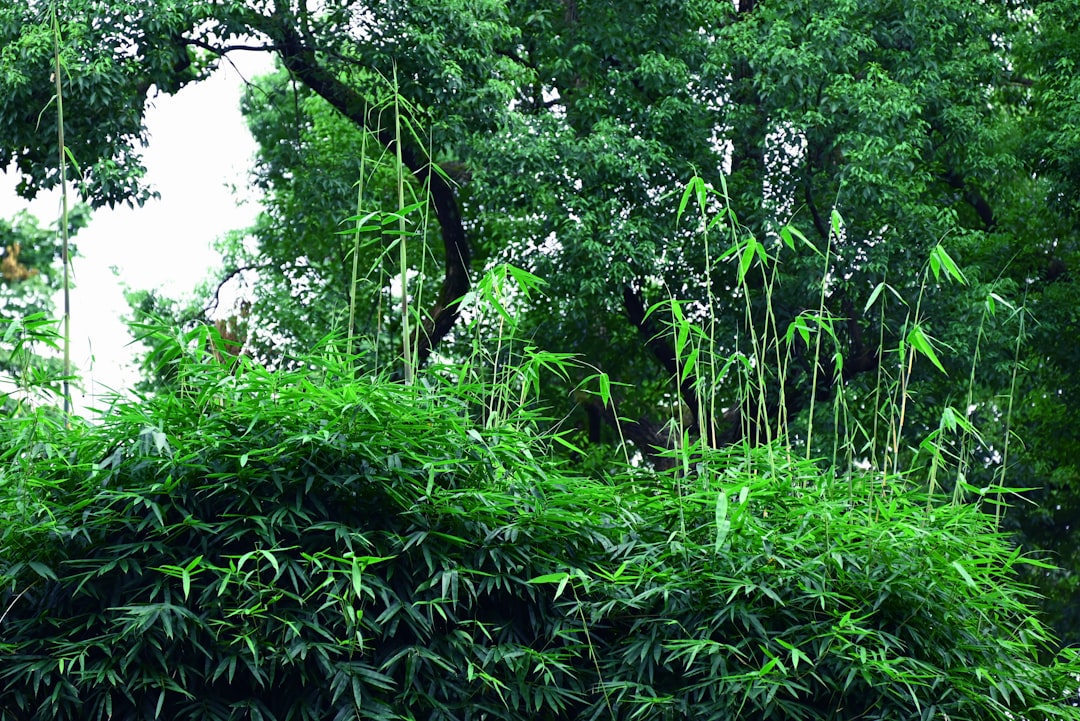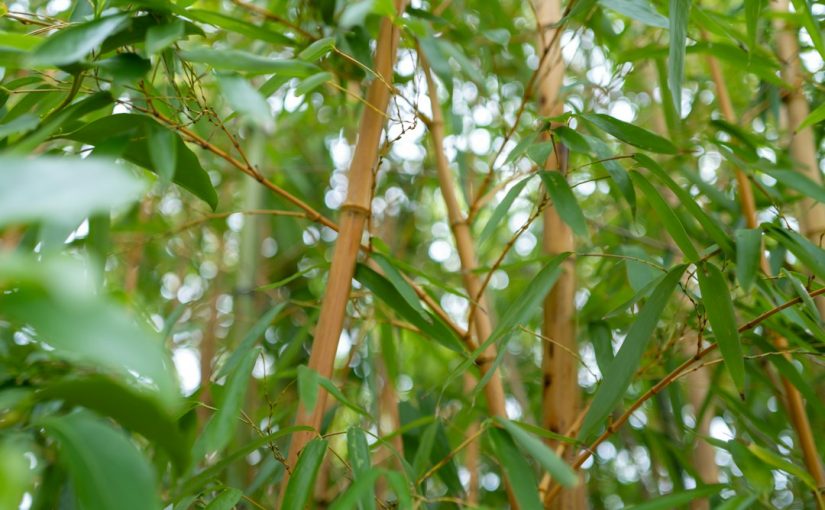
For gardeners and landscapers seeking a vibrant, evergreen screen that delivers quick results, Phyllostachys bissetii often emerges as a top contender. Renowned for its exceptional cold hardiness and lush green culms, this running bamboo variety offers an appealing solution for privacy and aesthetic enhancement. However, the very characteristic that makes it so desirable – its vigorous growth – also prompts a critical question: how fast does Phyllostachys bissetii bamboo truly spread? Understanding the dynamics of its growth, the factors influencing its expansion, and effective management strategies is paramount for anyone considering integrating this powerful plant into their landscape. This article will delve into the specific growth habits of P. bissetii, providing a comprehensive guide to its spread rate and how to successfully coexist with its energetic nature.
Understanding phyllostachys bissetii’s growth habit
To truly grasp the spread rate of Phyllostachys bissetii, one must first understand its fundamental growth habit. As a “running bamboo,” P. bissetii employs a monopodial rhizome system. This means it develops long, slender underground stems, called rhizomes, that extend horizontally beneath the soil surface, sending up new culms (bamboo shoots) at varying distances from the parent plant. Unlike clumping bamboos, which grow in a tight, contained footprint, running bamboos are designed by nature to colonize new territory. Phyllostachys bissetii, in particular, is known for its incredible vigor and resilience. It’s one of the hardiest bamboos, capable of withstanding temperatures well below freezing, which allows its robust rhizome network to thrive and expand in a wide range of climates. This inherent drive for expansion is the primary engine behind its rapid spread, making it a formidable, albeit beautiful, addition to any garden.
Factors influencing spread rate
The speed at which Phyllostachys bissetii spreads is not a fixed metric but rather a variable influenced by several environmental and cultural factors. Optimal conditions can significantly accelerate its expansion. Firstly, soil conditions play a crucial role; loose, well-draining, and fertile soil allows rhizomes to navigate and extend with minimal resistance. Conversely, heavy clay or compacted soils will slow down, but not stop, its progress. Secondly, consistent and adequate water availability is a major growth stimulant. Bamboo, like many plants, thrives with regular moisture, and a well-hydrated plant will invest more energy into rhizome development. Thirdly, a generous supply of nutrients in the soil will fuel more robust and rapid growth, enhancing both culm and rhizome production. Lastly, sunlight exposure is key; while P. bissetii can tolerate some shade, full sun promotes the most vigorous growth and, consequently, faster spread. The age and establishment of the bamboo patch also matter; a young plant will spread slower than a mature, well-established grove that has built up a significant energy reserve in its rhizome system.
Quantifying the spread
While environmental factors dictate variability, it’s possible to provide a general understanding of how quickly Phyllostachys bissetii can spread under different conditions. Under ideal circumstances – full sun, rich, loose soil, and consistent moisture – this bamboo can send out rhizomes that extend anywhere from 3 to 8 feet or more annually. These rhizomes can travel considerable distances, sometimes even tunneling under seemingly solid obstacles if the soil underneath is favorable. It’s important to remember that these are estimates, and actual results can vary greatly depending on the specific microclimate and care it receives. To offer a clearer perspective, consider the following approximate spread rates:
| Condition | Expected annual spread | Notes |
|---|---|---|
| Ideal growth environment (Full sun, rich soil, consistent water, warm climate) | 3-8+ feet | Maximum potential, aggressive expansion |
| Average growth environment (Partial sun, good soil, moderate water, temperate climate) | 1-3 feet | Typical spread with decent growing conditions |
| Suboptimal environment (Heavy shade, poor soil, limited water, harsh climate) | Less than 1 foot or minimal | Slower, but still persistent spread over time |
These figures highlight the species’ energetic nature and underscore the importance of proactive management, as even in less-than-ideal conditions, its rhizomes will gradually, yet persistently, seek new ground.
Managing and containing phyllostachys bissetii’s spread
Given Phyllostachys bissetii‘s robust spreading capabilities, effective containment is not just recommended, but essential for responsible cultivation. The most reliable method is the installation of a rhizome barrier. This involves burying a thick, rigid material, typically 60-mil or 80-mil high-density polyethylene (HDPE), vertically into the ground around the planting area. The barrier should extend at least 24-30 inches deep, with an inch or two left above ground to prevent rhizomes from growing over the top. It’s crucial to install the barrier at a slight outward angle to direct any errant rhizomes upwards, making them easier to spot and prune. Another effective strategy is annual root pruning or trenching around the perimeter of the desired growth area, severing any pioneering rhizomes before they establish new culms. For gardeners with extremely limited space, growing P. bissetii in large, sturdy containers can completely restrict its spread, though this requires more frequent watering and root maintenance. Regardless of the method chosen, consistent vigilance and ongoing maintenance are key to successfully integrating this fast-spreading, yet beautiful, bamboo into any landscape without it becoming a nuisance.
Phyllostachys bissetii is undeniably a powerful and fast-spreading bamboo, a characteristic driven by its vigorous monopodial rhizome system and exceptional hardiness. We’ve explored how factors such as soil quality, water availability, sunlight exposure, and the age of the plant significantly influence its annual spread, which can range from a foot to over eight feet under optimal conditions. This rapid expansion, while ideal for quick screening, necessitates thoughtful and proactive management. The implementation of robust rhizome barriers, regular root pruning, or even container planting are not merely suggestions but fundamental practices for anyone looking to enjoy the beauty of P. bissetii without it overrunning their garden. In conclusion, while Phyllostachys bissetii offers an attractive, hardy, and fast-growing solution for privacy and aesthetics, its aggressive spreading habit means that careful planning, diligent installation of containment measures, and ongoing maintenance are absolutely crucial for a harmonious coexistence with this dynamic plant. Prepare your site well, and you can enjoy its lush green presence for years to come.
Image by: Katy