For many gardeners and enthusiasts, the ephemeral beauty of a poppy bloom is a truly rewarding sight. However, a common question often arises before those delicate petals unfurl: “How long for a poppy to grow?” The answer, as with many aspects of nature, isn’t a simple, single number. The timeline from a tiny seed to a vibrant, swaying flower can vary significantly, influenced by a fascinating interplay of species, environmental conditions, and the specific care it receives. Understanding these variables is key to successfully cultivating these captivating plants. This article will delve into the typical growth stages, explore the crucial factors that dictate their pace, and provide insights into what you can expect as you embark on your poppy-growing journey, helping you anticipate the moment your garden bursts into color.
The life cycle of a poppy: from seed to bloom
The journey of a poppy, much like any plant, is a marvel of nature, progressing through several distinct stages before culminating in its characteristic bloom. While the exact duration of each phase can fluctuate, the sequence generally remains consistent across most annual and short-lived perennial poppy varieties. Understanding this cycle provides a foundational insight into the overall growth timeline.
Germination
This initial stage begins when the poppy seed absorbs moisture and sprouts, sending out its first rootlet and then a tiny shoot. For most poppy species, germination typically occurs within 7 to 30 days after sowing, provided conditions are favorable. Some varieties, particularly those that require a period of cold stratification (a chilling period to break dormancy), might take longer or germinate erratically if this requirement isn’t met.
Seedling growth
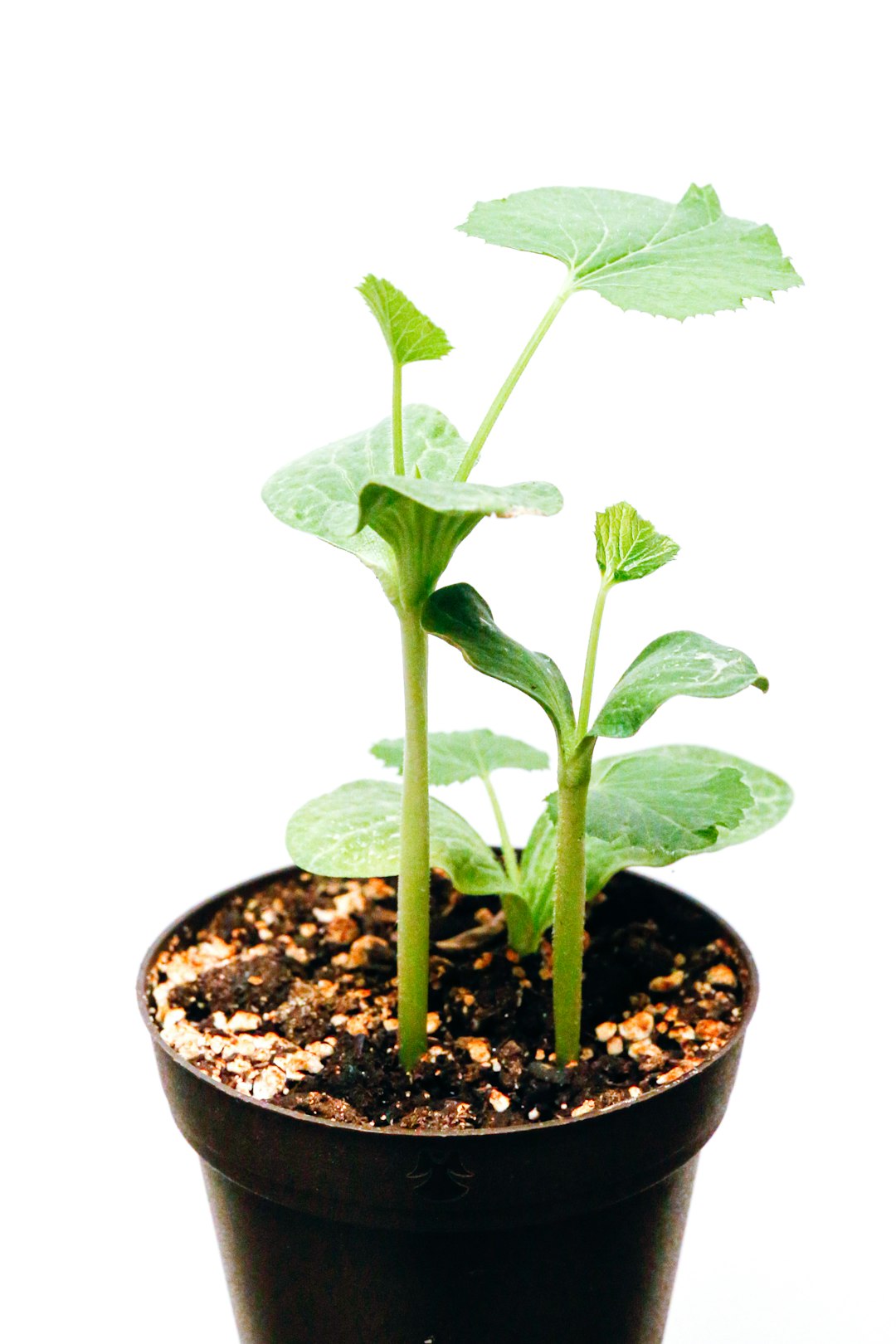
Once germinated, the tiny sprout develops its first true leaves. This seedling stage is often characterized by slow but steady growth as the plant establishes a stronger root system and begins to photosynthesize more effectively. This phase can last for several weeks, anywhere from 2 to 6 weeks, depending on the availability of light, water, and nutrients. Poppies are generally slow to start, but once established, they can pick up pace.
Vegetative growth
During the vegetative stage, the poppy plant focuses on developing its foliage, forming a rosette of leaves close to the ground. This period is crucial for building the energy reserves needed for flowering. Stems lengthen, and the plant becomes more robust. This stage can range from 4 to 10 weeks, during which the plant prepares for its reproductive phase. Adequate sunlight and consistent moisture are vital during this time.
Bud formation and flowering
After sufficient vegetative growth, the plant will begin to form flower buds, usually at the end of stalks that rise above the foliage. These buds gradually swell and then unfurl into the iconic poppy flowers. The time from initial bud formation to the first bloom can be relatively quick, often within 1 to 3 weeks. The actual flowering period for a single poppy bloom is notoriously brief, often lasting only a few days, though a well-tended plant can produce a succession of blooms over several weeks.
Key factors influencing poppy growth duration
While the general life cycle stages offer a framework, the actual speed at which a poppy grows and flowers is heavily influenced by a multitude of environmental and genetic factors. Optimizing these conditions can significantly impact your success and the time to bloom.
- Poppy species and variety: This is perhaps the most significant factor. Annual poppies like Papaver rhoeas (Shirley Poppies) and Papaver somniferum (Opium Poppies) complete their life cycle relatively quickly, often within 60-90 days from germination to flower. Perennial poppies, such as Papaver orientale (Oriental Poppies), take longer to establish, usually flowering in their second year, though once established, they rebloom annually.
- Climate and temperature: Poppies generally prefer cool to moderate temperatures for germination and initial growth. Extreme heat or cold can slow down growth or even prevent germination. Many varieties thrive in full sun but appreciate cooler soil temperatures.
- Soil quality and drainage: Well-draining soil is paramount for poppies, as they are highly susceptible to root rot in waterlogged conditions. Rich, moderately fertile soil that isn’t overly heavy will encourage stronger growth. Poor soil can lead to stunted plants and delayed flowering.
- Sunlight exposure: Poppies are sun-loving plants. A minimum of 6 hours of direct sunlight per day is crucial for robust growth and abundant flowering. Insufficient light will result in leggy plants, fewer blooms, and a prolonged growth period.
- Watering regimen: Consistent, moderate watering is important, especially during germination and the seedling stage. Overwatering is detrimental, while prolonged drought can stress the plant and delay flowering.
- Nutrient availability: While poppies don’t require overly rich soil, a balanced supply of essential nutrients is beneficial. Excessive nitrogen can lead to lush foliage at the expense of flowers, potentially delaying bloom time.
Typical timelines for popular poppy varieties
To provide a more concrete expectation, let’s examine the average growth durations for some of the most commonly cultivated poppy varieties. These timelines represent the approximate period from seed sowing to the first bloom under ideal conditions.
| Poppy Variety | Botanical Name | Type | Approximate Days to Bloom (from seed) |
|---|---|---|---|
| Shirley Poppy | Papaver rhoeas | Annual | 60-75 days |
| Opium Poppy | Papaver somniferum | Annual | 70-90 days |
| California Poppy | Eschscholzia californica | Annual/Tender Perennial | 60-90 days |
| Iceland Poppy | Papaver nudicaule | Short-lived Perennial | 90-120 days (often blooms in first year from early sowing) |
| Oriental Poppy | Papaver orientale | Perennial | 1 year+ (typically blooms in second year from seed) |
As the table illustrates, annual poppies generally offer the quickest gratification, reaching bloom within two to three months. Perennials, while requiring more initial patience, reward gardeners with years of successive blooms once established, albeit with a longer initial waiting period.
Maximizing your poppy’s growth and bloom
To encourage your poppies to grow efficiently and bloom prolifically, implementing a few best practices can make a significant difference. Thoughtful preparation and ongoing care can shave precious days off the growth cycle and ensure a healthier, more vibrant display.
Optimal planting times and methods
Most annual poppies prefer direct sowing in early spring, as soon as the soil can be worked, or in the late fall for spring germination where winters are mild. They generally dislike transplanting due to their sensitive taproots. For species requiring cold stratification, fall sowing allows natural chilling over winter. Sow seeds thinly on the soil surface, as they need light to germinate, then lightly press them into the soil without burying them too deeply.
Soil preparation and sunlight
Ensure your planting site has well-draining soil, ideally amended with some compost to improve structure without making it overly rich. A pH between 6.0 and 7.5 is generally suitable. Full sun exposure—at least six hours daily—is non-negotiable for robust growth and abundant flowering. If you notice plants stretching or becoming leggy, they are likely searching for more light.
Watering and thinning
Maintain consistent moisture, especially during germination and dry spells, but avoid waterlogging. Once seedlings have developed a few true leaves, thin them aggressively according to the recommended spacing for the particular variety (e.g., 6-12 inches apart). Thinning prevents overcrowding, which reduces competition for resources and promotes stronger, healthier plants that are less prone to disease and produce more flowers.
Pest and disease management
Poppies are relatively low-maintenance, but keeping an eye out for common pests like aphids and slugs, or diseases like powdery mildew, can prevent setbacks. Good air circulation through proper spacing helps mitigate fungal issues. Addressing problems early ensures the plant can dedicate its energy to growth and flowering.
In summary, the question of “how long for a poppy to grow?” reveals a dynamic process influenced by a range of factors rather than a fixed timetable. From the initial germination that can take anywhere from 7 to 30 days, through the delicate seedling stage lasting several weeks, to the robust vegetative growth that prepares the plant for its spectacular display, each phase contributes to the overall journey. The specific poppy variety, be it a fast-blooming annual or a more patient perennial, plays a critical role, as do environmental conditions like adequate sunlight, well-draining soil, and consistent moisture. While annual poppies can typically grace your garden with blooms in as little as 60-90 days from sowing, perennial types might require a full season or more to establish before their first flowers emerge. Ultimately, understanding these variables and providing optimal care—from proper sowing techniques and thinning to attentive watering—will significantly enhance your chances of success, ensuring that you can anticipate and enjoy the vibrant, albeit brief, beauty of your poppies within a realistic timeframe. Patience, combined with informed gardening practices, is your greatest ally in cultivating these enchanting blossoms.
Image by: Ariel Cattai