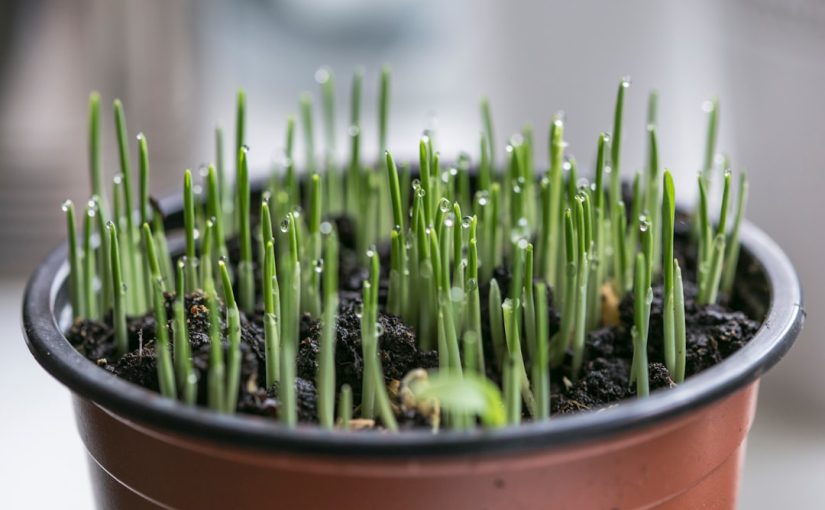
The allure of growing your own fruit trees, especially the delightful cherry, often begins with a single seed. Imagine biting into a juicy, home-grown cherry, knowing you nurtured it from its humble beginnings. However, embarking on this horticultural journey presents its own unique set of questions, and perhaps none is more common than understanding the timeline for germination. Unlike many common garden seeds that sprout readily, cherry seeds have a built-in survival mechanism that requires a bit more patience and preparation. This guide delves into the fascinating process of cherry seed germination, exploring the critical steps involved, the average waiting period, and what you can do to ensure success. We’ll uncover the secrets to breaking dormancy and nurturing those tiny seeds into promising young saplings, offering a clear roadmap for anyone eager to cultivate their own cherry trees.
Understanding the cherry seed’s dormancy
Before a cherry seed can unfurl its first tiny root, it must first overcome a natural obstacle known as dormancy. This isn’t a sign of a “dead” seed, but rather an evolutionary marvel, a protective mechanism designed to ensure the seed germinates only when environmental conditions are optimal for its survival. In the wild, cherry seeds fall from the tree in late summer or autumn and must endure the harsh, cold temperatures of winter before they can even think about sprouting. If they were to germinate immediately, the delicate seedlings would perish in the impending frost.
This dormancy is primarily controlled by two factors: a hard outer seed coat and biochemical inhibitors within the seed itself. The seed coat, often referred to as the pit, is incredibly tough and prevents water from penetrating to the embryo, which is essential for germination. Simultaneously, abscisic acid, a natural plant hormone, keeps the seed in a dormant state. To break this dormancy and signal the seed that winter has passed, a process called stratification is required. Without proper stratification, a cherry seed can remain dormant for years, or simply never germinate at all, no matter how ideal the planting conditions seem.
The critical role of stratification
Stratification is the cornerstone of successful cherry seed germination. It’s essentially an artificial mimicry of the natural winter conditions that cherry seeds experience outdoors. For most cherry varieties, particularly sweet and sour cherries, a period of cold stratification is absolutely essential. This cold, moist treatment softens the hard seed coat and gradually breaks down the germination-inhibiting hormones, effectively telling the seed that spring is on its way and it’s safe to sprout.
The most common and effective method for cold stratification involves preparing the seeds and placing them in a cool environment for an extended period. First, gently clean the cherry pits to remove any residual fruit pulp, which can lead to mold. Then, soak the pits in warm water for 24-48 hours to further soften the outer shell. After soaking, place the seeds in a sealed plastic bag or container with a moist substrate such as peat moss, vermiculite, or even slightly damp paper towels. The substrate should be moist but not waterlogged, as excessive moisture can cause the seeds to rot. Store this container in a refrigerator, ideally at a consistent temperature between 35-45°F (1-7°C). The duration of this cold treatment is crucial, typically ranging from 8 to 16 weeks, depending on the cherry species. Sour cherries (Prunus cerasus) often require less time, around 8-12 weeks, while sweet cherries (Prunus avium) may need 12-16 weeks. Some less common varieties might benefit from a brief warm stratification period (a few weeks at room temperature) before the cold period, though this is less common for standard cherries.
From stratification to sprout: The germination timeline
Once your cherry seeds have completed their essential cold stratification period, they are ready for the next exciting phase: planting and actual germination. This is where the seed, now awakened from its dormancy, begins to actively sprout. The key here is to provide consistent, favorable conditions to encourage the embryonic plant to emerge. After stratification, plant the seeds about half an inch deep in a well-draining potting mix. A good mix might include a combination of peat, perlite, and a small amount of compost. Avoid heavy garden soil at this stage, as it can hinder drainage and lead to rot.
Place your planted seeds in a warm location, ideally where the soil temperature remains consistently between 65-75°F (18-24°C). While direct sunlight isn’t immediately necessary for germination itself, a bright, indirect light source or a grow light can be beneficial once sprouts appear. Crucially, maintain consistent moisture in the soil; it should be damp but never soggy. You can cover the pots with plastic wrap or a clear dome to help retain humidity, but ensure there’s still some air circulation to prevent mold. The actual germination time—the period from planting the stratified seed to seeing the first shoot—can vary significantly. Generally, you can expect to see sprouts within 2 to 6 weeks after planting. However, some particularly stubborn seeds might take longer, occasionally extending up to 8 weeks or more. Patience is truly a virtue during this stage, as not all seeds will germinate at the same pace, and some may not germinate at all due to viability issues.
Here’s a quick overview of the typical timeline:
| Stage | Estimated Duration | Key Conditions |
|---|---|---|
| Cold Stratification (in fridge) | 8 – 16 weeks | Moist substrate, 35-45°F (1-7°C) |
| Post-Stratification Germination (after planting) | 2 – 6 weeks | Warm soil (65-75°F / 18-24°C), consistent moisture |
| Total Estimated Time (seed to sprout) | 10 – 22 weeks | Combined duration of stratification and germination |
Patience and troubleshooting common issues
Growing cherry trees from seed is undoubtedly a rewarding endeavor, but it demands a good dose of patience and an understanding of potential hurdles. Even with meticulous preparation, you might encounter scenarios where seeds don’t germinate as expected. It’s important to remember that not every seed is viable, and even under perfect conditions, germination rates are rarely 100%. Don’t be discouraged if some seeds fail to sprout; this is a natural part of the process.
One of the most common issues is lack of germination. If after the expected 2-6 weeks post-planting nothing has emerged, reconsider your stratification process. Was the temperature consistently cold enough? Was the duration sufficient? Was the medium moist but not waterlogged? Improper stratification is the primary culprit. Another issue could be the viability of the seeds themselves; always try to use fresh seeds from reliable sources, as older seeds tend to have lower germination rates. Mold growth during stratification or initial planting is another frequent problem. This usually indicates too much moisture or insufficient air circulation. If you notice mold, gently remove affected seeds, sterilize the container, and replace the substrate, ensuring it’s just damp. Always ensure good hygiene when handling seeds to prevent fungal issues. Consistent watering is also critical; too little water will prevent the seed from swelling and activating, while too much can lead to rot and disease. By being observant, patient, and prepared to troubleshoot, you significantly increase your chances of witnessing those first tender cherry sprouts.
Bringing a cherry tree to life from a tiny seed is a journey that truly tests a gardener’s patience and dedication. As we’ve explored, the process is far from instantaneous, requiring a crucial preparatory stage known as cold stratification, which effectively tricks the seed into believing it has endured a winter. This stratification period typically spans 8 to 16 weeks in a cool, moist environment, setting the stage for success. Once stratified and planted in warm, consistently moist soil, the actual germination—the emergence of the first sprout—usually takes another 2 to 6 weeks. Therefore, from the moment you begin stratification to seeing a seedling, you’re looking at a total commitment of anywhere from 10 to 22 weeks.
The key takeaways are clear: proper stratification is non-negotiable for cherry seeds, and a consistent, warm, and moist environment is essential post-stratification. While the timeline may seem lengthy, understanding each stage and maintaining optimal conditions will significantly increase your success rate. Remember that not every seed will sprout, and patience is your most valuable tool throughout this entire process. By embracing these principles, you’re not just germinating a seed; you’re embarking on a fulfilling horticultural adventure that culminates in the potential joy of cultivating your very own cherry tree. Happy planting!
Image by: Milada Vigerova