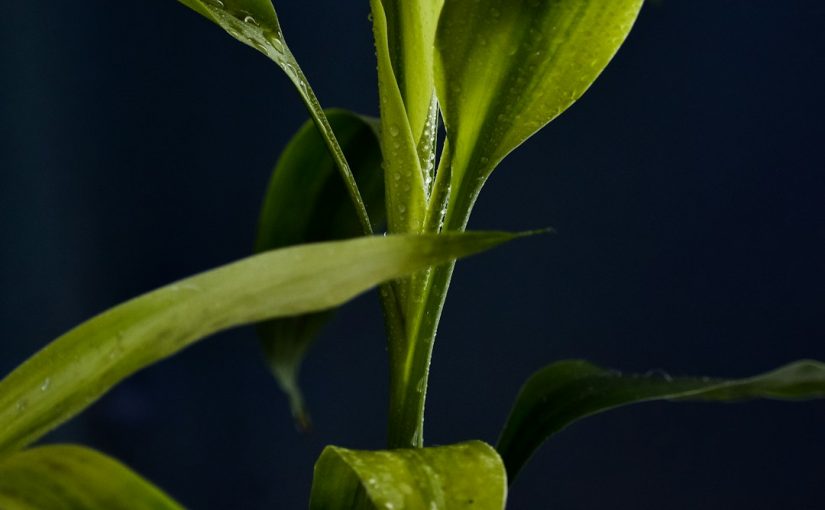
Heliconias, often called “false bird of paradise” or “lobster claws,” are truly magnificent tropical plants renowned for their striking, vibrant bracts that resemble exotic flowers. Native to the tropical Americas, these architectural beauties can transform any garden or indoor space into a lush, dynamic paradise. While their flamboyant appearance might suggest high maintenance, understanding their specific needs can make caring for heliconias a surprisingly rewarding endeavor, allowing even novice gardeners to enjoy their splendor. From ensuring the right light and soil conditions to mastering watering techniques and providing adequate nutrition, this comprehensive guide will delve into the essential practices needed to cultivate thriving, spectacularly blooming heliconia plants, helping you unlock their full tropical potential and enjoy their breathtaking displays year after year.
Understanding heliconias’ fundamental needs
To cultivate thriving heliconias, it’s crucial to understand the foundational elements that mimic their native tropical habitat. These plants are accustomed to specific environmental conditions that, when replicated, allow them to flourish with vibrant foliage and prolific blooms. Neglecting these basic requirements can lead to stunted growth and a lack of flowering.
- Light requirements: Heliconias generally thrive in
full sun to partial shade. Most varieties prefer at least six hours of direct sunlight daily to encourage robust blooming. However, in regions with intense afternoon sun, particularly during peak summer, a little afternoon shade can prevent leaf scorching. Varieties with larger, more delicate leaves might prefer a slightly shadier spot. Observing your plant’s leaf color and growth patterns will guide you: yellowing leaves can indicate too much sun, while sparse growth and lack of flowers often point to insufficient light.
- Soil preferences: These tropical beauties are heavy feeders and prefer rich, well-draining soil. A soil mixture high in organic matter is ideal, as it retains moisture while allowing excess water to escape efficiently, preventing root rot. An optimal soil pH for heliconias typically ranges between 6.0 and 7.0 (slightly acidic to neutral). Incorporating compost, well rotted manure, or other organic amendments significantly improves soil structure, fertility, and drainage. For potted heliconias, a high quality potting mix amended with perlite or coarse sand for drainage, and plenty of compost, will provide a suitable environment.
- Temperature and humidity: Heliconias are tropical plants through and through, meaning they thrive in warm temperatures. They typically prefer temperatures above 60°F (15°C) and will suffer damage or die back if exposed to frost. Consistent warmth, ideally between 70°F and 95°F (21°C and 35°C), promotes vigorous growth. High humidity is also critical for their large, lush leaves. In drier climates, methods to increase ambient humidity will be essential for their health, which we will explore further.
Watering and humidity: the tropical touch
Consistent and appropriate watering, coupled with sufficient humidity, are perhaps the most critical aspects of heliconia care. These plants are not drought tolerant and require a steady supply of moisture to support their expansive leaves and energy intensive flowering.
- Watering frequency: The key is to keep the soil consistently moist but never waterlogged. During warm growing seasons, especially in hot, dry weather, heliconias may need to be watered daily. However, in cooler temperatures or during periods of rain, reduce frequency. Always check the top inch or two of soil before watering; if it feels dry, it’s time to water thoroughly until it drains from the bottom of pots. Overwatering can be just as detrimental as underwatering, leading to root rot.
- The importance of mulch: Applying a generous layer of organic mulch around the base of outdoor heliconias is highly beneficial. Mulch helps retain soil moisture, suppresses weeds that compete for nutrients, and slowly releases organic matter into the soil as it decomposes. Materials like wood chips, shredded bark, or straw are excellent choices. This practice significantly reduces the need for frequent watering and helps maintain a more stable soil temperature.
- Humidity considerations: Given their tropical origins, heliconias thrive in high humidity. In naturally dry environments or during dry spells, you may need to supplement humidity, especially for potted indoor plants.
Here are some ways to increase humidity:
- Misting: Regularly misting the leaves with water, particularly in the mornings, can provide a temporary boost.
- Pebble trays: For potted plants, placing the pot on a tray filled with pebbles and water (ensuring the pot itself doesn’t sit in the water) creates localized humidity as the water evaporates.
- Grouping plants: Placing several plants together can create a microclimate with higher humidity levels.
Feeding and fertilization for vibrant blooms
Heliconias are known as heavy feeders, meaning they require a substantial amount of nutrients to sustain their rapid growth and produce their spectacular, long lasting bracts. A well planned fertilization regimen is vital for maximizing their health and bloom potential.
- Nutritional needs: These plants benefit from a balanced diet, rich in nitrogen for lush foliage, phosphorus for strong root development, and potassium for robust flowering and overall plant health. Given their tropical origins, they also appreciate soil rich in micronutrients.
- Fertilizer types and application: During the active growing season (spring through fall), a slow release granular fertilizer can provide a steady supply of nutrients. Alternatively, a balanced liquid fertilizer (e.g., 20-20-20 or 10-10-10) applied every 2-4 weeks is effective. Once the plant is mature and approaching blooming size, switching to a fertilizer higher in potassium (the third number in the NPK ratio) can encourage more prolific and vibrant blooms.
Consider the following general fertilization schedule:
| Season | Fertilizer Type | Application Frequency |
|---|---|---|
| Spring (Active Growth) | Balanced (e.g., 20-20-20) | Every 2-4 weeks or slow release as directed |
| Summer (Peak Growth/Blooming) | High Potassium (e.g., 10-5-20) | Every 2-3 weeks |
| Fall (Slowing Down) | Balanced or reduced strength | Monthly, then cease as temperatures drop |
| Winter (Dormancy/Rest) | None | No fertilization |
Always follow the manufacturer’s instructions for dosage, as over fertilization can burn roots. Supplementing with organic amendments like compost or worm castings throughout the year further enriches the soil and provides a slow, steady release of nutrients, improving soil structure and microbial activity.
Pruning and propagation: maintaining health and vigor
Pruning is not just about aesthetics; it’s a crucial practice for maintaining the health, vigor, and productivity of your heliconia plants. It encourages new growth and can significantly impact their flowering capacity. Propagation, on the other hand, allows you to expand your collection or share these beautiful plants with others.
- Pruning for health and blooms: Heliconias grow from rhizomes, sending up new shoots that mature and eventually flower. Once a stem has flowered, it will not flower again. Therefore, to encourage new growth and subsequent blooms, it is essential to prune spent flower stalks and old, unproductive stems. Use clean, sharp pruning shears to cut these stalks back to the ground. This redirects the plant’s energy into producing new, vigorous rhizomes and shoots. Regularly remove any yellowed, damaged, or diseased leaves to maintain good air circulation and prevent the spread of potential pathogens.
- Controlling spread and division: Heliconias can spread vigorously, especially in ideal conditions. Periodically, you may need to thin out overcrowded clumps to prevent competition for nutrients and light. This thinning process often leads naturally into propagation through division.
- Propagation by rhizome division: This is the most common and successful method for propagating heliconias.
- Timing: The best time to divide rhizomes is in spring, just as new growth is beginning.
- Process: Carefully dig up the clump of heliconias. Gently separate sections of the rhizome, ensuring each piece has at least one “eye” (a growth bud) and some roots.
- Planting: Plant these divisions in well draining, nutrient rich soil, either directly into the garden or into pots. Water thoroughly after planting. New shoots should emerge within a few weeks, establishing new, healthy plants.
- Pest and disease management: While relatively robust, heliconias can occasionally face issues. Watch out for common pests like spider mites, aphids, and mealybugs, especially on indoor plants or in dry conditions. Address infestations promptly with insecticidal soap or neem oil. Good air circulation through proper spacing and pruning helps prevent fungal issues. Maintaining plant health through consistent care is the best defense against pests and diseases.
Caring for heliconias, while requiring attention to their tropical preferences, is an immensely rewarding journey that culminates in spectacular floral displays. We’ve explored the critical elements for their success, starting with creating the ideal environment—ample light, well draining, nutrient rich soil, and consistent moisture. We then delved into precise watering strategies and the importance of humidity, followed by a detailed look at their significant nutritional demands to fuel robust growth and prolific blooming. Finally, understanding the art of pruning and the simplicity of propagation ensures the long term health and expansion of your heliconia collection. By consistently applying these dedicated care practices, you’re not just growing plants; you’re cultivating a vibrant piece of the tropics. Embrace the beauty and the process, and your heliconias will reward you with an unparalleled tropical symphony of color and form.
Image by: Vishnu Kannan