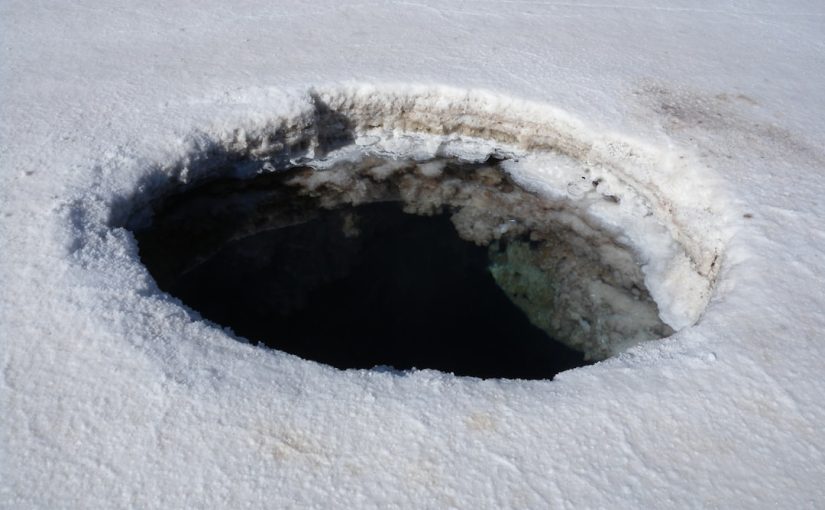
Tackling outdoor projects can be a year-round endeavor, but nothing brings a project to a grinding halt quite like encountering a layer of unyielding, frozen earth. Whether you’re a keen gardener dreaming of an early spring planting, a homeowner needing to repair a utility line, or a construction worker facing winter conditions, the challenge of digging through frozen dirt is a common and frustrating obstacle. The ground transforms into a concrete-like slab, making even the simplest excavation feel like an impossible task. This guide is designed to equip you with the knowledge, tools, and techniques necessary to conquer the frozen earth, ensuring your project can proceed efficiently and safely, even when temperatures plummet. We’ll explore everything from understanding the science behind frozen soil to employing effective thawing methods and strategic digging techniques.
Understanding frozen ground
When the mercury drops below freezing for an extended period, the water content within the soil transforms into ice. This ice expands, binding the individual soil particles together with remarkable strength, turning what was once pliable earth into a formidable, rock-hard mass. The depth and intensity of this frozen layer, often referred to as a frost line or frost penetration, can vary significantly based on local climate, soil type, and the duration of cold temperatures. Sandy soils, with their larger pores, tend to freeze and thaw more readily than dense clay soils, which can hold more water and thus become incredibly tough when frozen solid.
The primary challenge in digging through this frozen matrix is its immense resistance. A standard shovel will simply bounce off the surface, and attempting to force it can lead to bent tools, damaged equipment, and even personal injury. The hardness also means tools dull quickly, increasing the effort required. Understanding that you’re not just digging dirt, but breaking apart an ice-bound composite material, is the first step in approaching the task with the right mindset and strategies.
Essential tools and safety precautions
Attempting to dig through frozen ground with the wrong tools is not only inefficient but also dangerous. A standard garden spade won’t cut it. You need specialized, heavy-duty equipment designed to break through compacted, frozen material. A pickaxe is indispensable for breaking up the frozen crust into smaller, manageable chunks. Its pointed end can penetrate, while the broad end can chip away at the ice-bound soil. A digging bar, also known as a spud bar, is another crucial tool. This heavy steel rod with a sharpened or chiseled end provides excellent leverage for prying up frozen sections and can be used to break ice or compacted soil.
For moving the loosened material, a sharp, sturdy shovel with a strong handle is essential, preferably one with a tempered steel blade. A mattock, similar to a pickaxe but with a cutting edge on one side, can also be useful for cutting through frozen soil that might contain roots or other debris. Don’t forget a wheelbarrow or sturdy tarp for efficient spoil removal. Beyond tools, safety is paramount. Always wear heavy-duty gloves to protect your hands from blisters and the cold. Eye protection is crucial to shield against flying debris. Sturdy, insulated boots with good grip will prevent slips and keep your feet warm. Remember to bend at your knees, not your back, and take frequent breaks to avoid overexertion. Always be mindful of potential underground utilities before you begin any deep excavation.
Thawing techniques for easier excavation
While brute force might work for small, shallow spots, larger or deeper excavations will benefit immensely from pre-thawing the ground. Softening the frozen earth before you dig can save significant time and effort. Several methods can be employed:
- Ground thawing blankets or mats: These electric or propane-fueled blankets lay directly over the frozen area, emitting controlled heat downwards. They are highly effective for larger sections, providing a consistent thaw over several hours or days, making the ground much easier to dig. While an investment, they offer a safe and reliable solution for serious projects.
- Applying direct heat: For smaller, more localized areas, a propane torch or construction heater can be used to warm the surface. Exercise extreme caution with open flames and ensure proper ventilation. This method is quick but requires constant supervision and is generally not suitable for extensive areas.
- Solar heat with dark tarps: A more passive, low-cost method involves covering the frozen area with dark-colored tarps or plastic sheeting. On sunny days, the dark surface absorbs solar radiation, warming the ground underneath. This is a slow process, often requiring several days, but it requires no fuel or electricity and can thaw several inches deep.
- Hot water application: Pouring hot water over a small, targeted area can quickly soften the frozen layer, making it temporarily easier to dig. However, it can also create a muddy mess and risks refreezing if the ambient temperature is very low and you don’t dig immediately. This is best used sparingly for specific stubborn spots.
Here’s a comparison of common thawing methods:
| Method | Pros | Cons | Best Use Case |
|---|---|---|---|
| Ground thawing blanket | Consistent, even heat; reusable; safe | High initial cost; requires power; slow | Larger, long-term projects; utility work |
| Propane heater/torch | Fast, direct heat; good for small spots | Fuel consumption; fire risk; uneven thaw | Small, urgent repairs; initial break-up |
| Dark tarp/plastic | Low to no cost; passive; no fuel | Weather dependent; very slow; limited thaw depth | Pre-planning; shallow digs; sunny days |
| Hot water | Quick softening; readily available | Refreezes fast; muddy; limited effectiveness | Very small, precise areas; last resort |
Practical digging strategies
Once you’ve chosen your thawing method or if you’re tackling relatively shallow frost without pre-thawing, smart digging techniques will make all the difference. The key is to work strategically, not just with raw power. Start by using your pickaxe or digging bar to score lines on the frozen surface, creating a grid pattern. This weakens the structure and allows you to break off smaller, more manageable chunks rather than trying to excavate a large area at once. Focus on one small section, breaking it down into smaller pieces before moving to the next. Use the pointed end of the pickaxe to break through the hardest crust, then use the wider end or a digging bar to pry up the loosened sections.
Always work in layers, removing the thawed or broken-up top layer before attacking the next frozen depth. This prevents material from refreezing on top of what you’ve already softened. Leverage is your friend; use the digging bar to pry up larger pieces by inserting it into a crack and applying body weight. Avoid forcing tools directly into the frozen ground, as this can damage them and lead to fatigue. Keep your work area clear of loosened dirt and ice to maintain visibility and prevent trips. Take frequent breaks to rest and warm up, as working in cold conditions can be very draining. Patience and persistence are crucial when facing the challenges of frozen earth.
Digging through frozen dirt is undeniably one of the most physically demanding and frustrating tasks an outdoor project can present. However, by understanding the unique challenges posed by frozen soil and equipping yourself with the right knowledge and tools, it transforms from an impossible feat into a manageable one. We’ve explored the importance of recognizing the hardness of ice-bound earth, highlighted the essential heavy-duty tools like pickaxes and digging bars, and detailed various thawing techniques ranging from ground blankets to solar-absorbing tarps. Furthermore, strategic digging methods, such as scoring and working in layers, are crucial for efficient progress.
The ultimate conclusion is that success in excavating frozen ground hinges on preparation, the judicious application of heat or brute force, and most importantly, patience. Rushing the process will only lead to frustration, potential injury, and damaged tools. By combining smart planning, appropriate equipment, and a methodical approach, you can effectively tackle any project, ensuring that even the most stubborn frozen earth yields to your efforts. Embrace the challenge, stay safe, and keep those winter projects moving forward.
Image by: Kurt Cotoaga