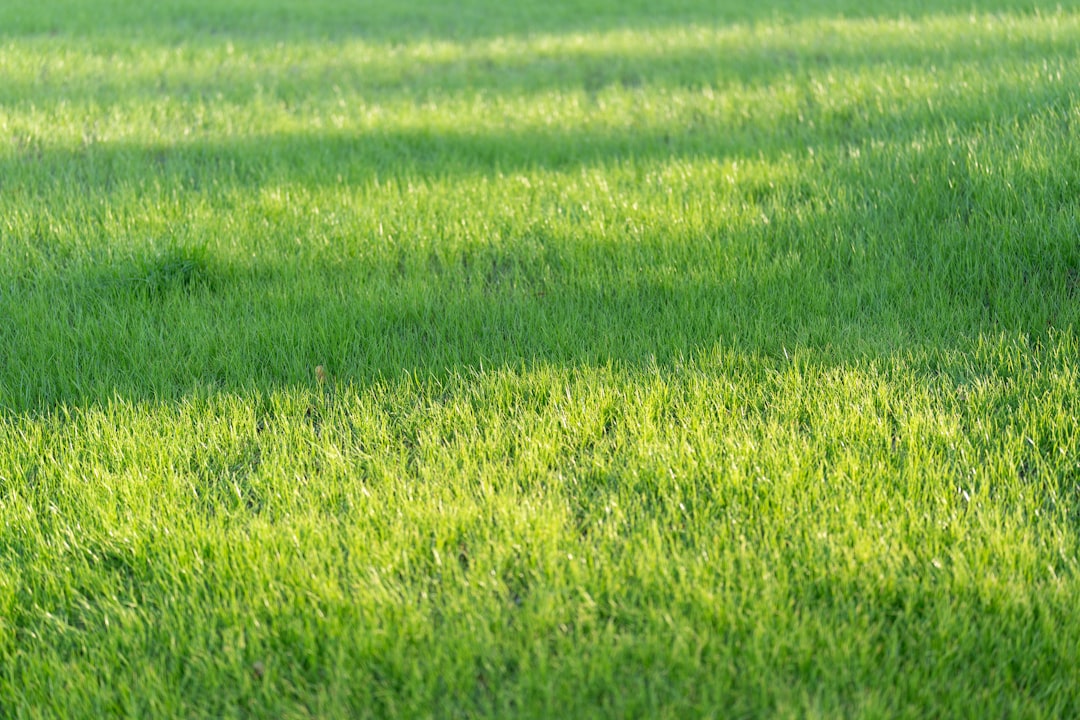
A lush, green lawn is often the cornerstone of a beautiful home, offering a serene space for relaxation, play, and entertaining. However, the dream of a perfect turf can quickly turn into a prickly nightmare when bindis decide to make an appearance. These invasive weeds, with their notorious spiny seeds, can quickly diminish the enjoyment of your outdoor haven, making barefoot strolls a painful experience. Understanding how to effectively tackle these unwelcome guests is crucial not only for aesthetic appeal but also for the overall health and vitality of your lawn. This article will guide you through a comprehensive strategy, from identifying the enemy to implementing preventative measures and targeted treatments, ensuring your lawn remains a soft, inviting carpet rather than a minefield of discomfort.
Understanding the enemy: what are bindis and why they’re a problem?
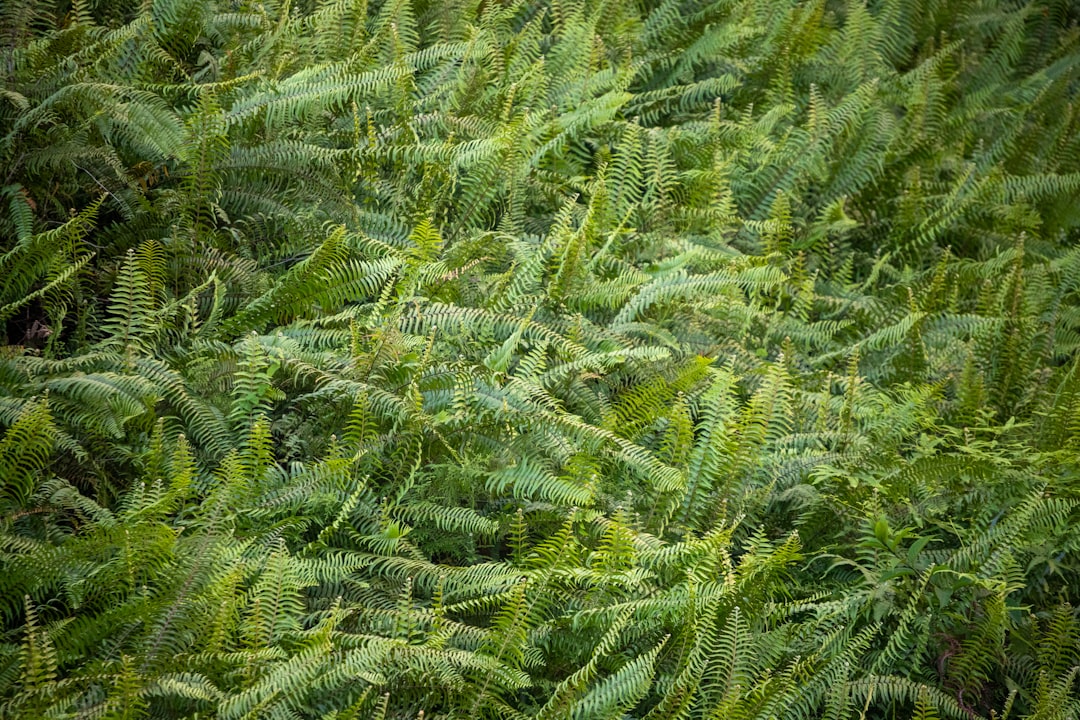
Before you can effectively combat a problem, you must first understand your adversary. Bindis, scientifically known as Soliva sessilis, are also commonly referred to as jo-jo weed or onehunga weed. These insidious plants are typically winter annuals, meaning they germinate in the cooler months, often autumn or early winter, grow through spring, and then produce their tell-tale prickly seeds in late spring and summer before dying off. Identifying bindis is fairly straightforward: they form low-growing rosettes, often resembling small parsley or fern-like plants with finely divided, feathery leaves. The flowers are tiny and inconspicuous, usually green, but it’s the seed capsules that are the real menace. These small, burr-like seeds develop in the leaf axils and feature sharp spines that readily attach to shoes, clothing, and pets, spreading the weed further and causing painful punctures for anyone walking barefoot. Beyond the physical discomfort, bindis compete aggressively with your desirable turfgrass for water, nutrients, and sunlight, leading to thinner, weaker patches of lawn that are more susceptible to other weeds and diseases.
Early intervention and cultural practices: preventing bindi invasions
The best defense against bindis is a strong, healthy lawn. By implementing effective cultural practices, you can create an environment that is less hospitable to these weeds and more favorable for your turfgrass. The goal is to make your lawn so dense and vigorous that bindis struggle to establish themselves. One of the most crucial practices is adjusting your mowing height. Taller grass (typically 2-3 inches or more, depending on grass type) shades the soil surface, which naturally suppresses the germination of bindi seeds that require light to sprout. Conversely, very short mowing can stress your lawn and open up bare patches, creating ideal conditions for weeds to invade. Proper watering is equally vital; deep, infrequent watering encourages your grass to develop strong, deep root systems, making it more resilient and better able to outcompete shallow-rooted weeds like bindis. Avoid light, frequent watering that keeps the soil surface consistently moist, as this actually promotes shallow rooting in grass and favors weed germination. Finally, ensure your lawn receives adequate nutrition through a balanced fertilization program tailored to your grass type and soil conditions. A well-fed lawn grows densely and robustly, crowding out opportunistic weeds. Addressing soil compaction through aeration and correcting any pH imbalances can further enhance lawn health and reduce bindi susceptibility.
Targeted attack: chemical and organic solutions for bindi control
While cultural practices form the foundation of bindi control, sometimes more targeted interventions are necessary for existing infestations. These methods can be broadly categorized into chemical and organic approaches. For chemical control, two main types of herbicides are effective:
- Pre-emergent herbicides: These products work by forming a barrier in the soil that prevents seeds from germinating. They are highly effective if applied before bindi seeds sprout, typically in late winter or early spring, before soil temperatures consistently reach 50-55°F. Examples include products containing pendimethalin or prodiamine. They won’t kill existing weeds but are excellent for preventing new ones.
- Post-emergent herbicides: These are used to kill bindis that have already emerged and are actively growing. Look for selective broadleaf weed killers that contain active ingredients such as dicamba, MCPA, or a combination of 2,4-D, MCPP, and dicamba. Always ensure the product is safe for your specific grass type. Apply on a calm day when temperatures are mild (between 60-85°F) to maximize effectiveness and minimize drift.
For those preferring organic solutions, several methods can be employed:
- Manual removal: For smaller infestations, hand-pulling bindis before they set seed is highly effective. Ensure you remove the entire plant, especially the taproot. This is labor-intensive but avoids chemical use.
- Boiling water: A targeted pour of boiling water can kill individual bindi plants. Be very careful to only hit the target weed, as it will also kill desirable grass.
- Horticultural vinegar: Sprays containing acetic acid (horticultural vinegar, which is much stronger than household vinegar) can desiccate and kill bindis. Again, apply carefully as it is non-selective.
- Corn gluten meal: This natural byproduct acts as a pre-emergent herbicide, inhibiting seed germination. Apply it in early spring as a preventative measure.
Here’s a quick comparison of common bindi control methods:
| Control Method | Timing | Effectiveness | Notes |
|---|---|---|---|
| Manual Removal | Before flowering/seeding | High for small infestations | Labor-intensive, prevents seed spread |
| Pre-emergent Herbicide | Late winter/early spring | High (prevents germination) | Apply before bindis emerge, safe for established turf |
| Post-emergent Herbicide | Actively growing bindis | High (kills existing weeds) | Follow label directions, avoid drift, may require multiple applications |
| Organic Sprays (e.g., vinegar) | Actively growing bindis | Moderate (spot treat) | Non-selective, can harm desirable plants if not precise |
| Proper Mowing/Watering | Ongoing | Preventative | Promotes dense turf, outcompetes weeds naturally |
Long-term lawn health: maintaining a bindi-free oasis
Achieving a bindi-free lawn is not a one-time event but an ongoing commitment to integrated pest management and consistent lawn care. Once you’ve brought an existing bindi problem under control, the focus shifts to preventing their return and fostering a perpetually healthy lawn. This involves several key strategies. Firstly, maintain diligent monitoring; regularly walk your lawn to spot any new bindi seedlings or small plants before they have a chance to establish and set seed. Early detection allows for quick, localized treatment, whether through hand-pulling or spot-spraying. Secondly, continue to adhere to the cultural practices outlined earlier, such as maintaining appropriate mowing heights, deep and infrequent watering, and a consistent fertilization schedule. These practices continuously strengthen your turf, making it naturally resistant to weed invasions. Furthermore, consider overseeding thin areas of your lawn, especially in autumn, with high-quality grass seed. A dense stand of healthy turf leaves little room or light for bindis to germinate. Annual aeration can also play a vital role by reducing soil compaction, which improves water penetration, nutrient absorption, and overall root health, creating a more robust environment for grass to thrive and less favorable conditions for weeds. By combining these proactive measures with occasional targeted treatments as needed, you can maintain a beautiful, comfortable, and bindi-free lawn year after year.
Achieving and maintaining a bindi-free lawn is a journey that rewards consistent effort with the joy of a pristine outdoor space. We’ve explored how understanding the bindi’s life cycle and characteristics is the first step in effective management. From there, implementing sound cultural practices like appropriate mowing, deep watering, and proper fertilization creates a dense, resilient turf that naturally outcompetes weeds. For existing infestations, we delved into targeted solutions, including selective chemical herbicides for both pre-emergent prevention and post-emergent eradication, as well as various organic alternatives for those preferring a chemical-free approach. Finally, we emphasized the importance of long-term maintenance through integrated pest management, continuous monitoring, overseeding, and aeration to ensure bindis remain a problem of the past. Remember, a beautiful lawn is a testament to consistent care. By adopting these strategies, you’re not just getting rid of a weed; you’re cultivating a healthier ecosystem, ensuring your lawn remains a comfortable, inviting haven for years to come. Embrace the process, and enjoy the barefoot bliss of your improved lawn.
Image by: Angela Orenda