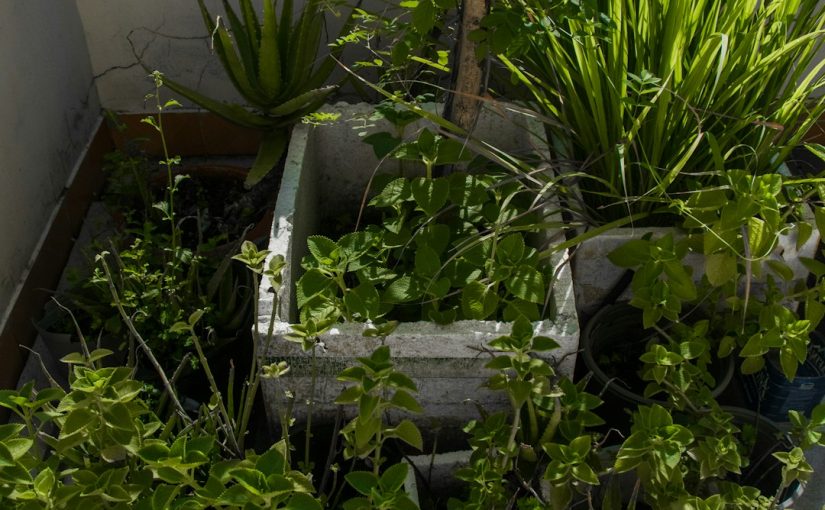
Broom straw, scientifically known as Andropogon virginicus, is a common and persistent grassy weed that can quickly turn a lush landscape into an unkempt mess. Its distinctive bronze color in fall and winter, coupled with its tough, fibrous texture, makes it an unwelcome sight in lawns, pastures, and garden beds across many regions. Not only does it detract from the aesthetic appeal of your property, but it also outcompetes desirable plants for nutrients and water, and can even pose a fire hazard when dry. If you’re tired of battling this tenacious invader, you’re in the right place. This article will provide a comprehensive guide on how to effectively get rid of broom straw, offering a range of strategies from preventative measures to targeted removal techniques, ensuring your landscape can thrive once more.
Understanding broom straw: identification and impact
Before you can effectively combat broom straw, it’s crucial to understand what you’re dealing with. Andropogon virginicus, often called broomsedge or whiskery bluestem, is a perennial warm-season grass native to much of North America. It typically emerges in late spring or early summer, growing rapidly throughout the warmer months. Identifying broom straw is relatively straightforward, especially as it matures. Young plants have narrow, light green leaves, but as they grow, they develop a characteristic upright, clumping habit.
In late summer and fall, broom straw produces distinctive seed heads that resemble tiny brooms, which is where its common name originates. These seed heads are feathery and turn a striking coppery-bronze or reddish-orange color, making them highly visible against dormant cool-season grasses. The plant’s overall appearance becomes more rigid and straw-like as it dries out in late fall and winter. Its extensive fibrous root system makes it particularly hardy and difficult to eradicate by simple pulling alone.
The impact of broom straw on your landscape goes beyond aesthetics. It thrives in poor, acidic soils, often indicating underlying soil health issues. Once established, it aggressively outcompetes cultivated grasses and other desirable plants for limited resources. In agricultural settings, it can significantly reduce forage quality for livestock. Furthermore, its dry, dense clumps become highly flammable during dry spells, increasing fire risk, particularly in rural or semi-rural areas. Understanding these characteristics is the first step toward successful management.
Proactive prevention: cultural and mechanical strategies
The most effective long-term strategy for controlling broom straw begins with prevention and improving the overall health of your landscape. A robust, healthy lawn or garden is naturally more resistant to weed invasions. Broom straw specifically thrives in neglected, infertile, and acidic soils. Therefore, addressing these underlying conditions is paramount.
One of the primary cultural practices is proper soil management. Conduct a soil test to determine your soil’s pH and nutrient levels. Broom straw prefers acidic soils (pH 4.5-5.5). Liming can gradually raise the pH to a more neutral range (6.0-7.0), which favors desirable grasses and plants while making the environment less hospitable for broom straw. Improving soil fertility with appropriate fertilizers, based on soil test results, will also help strengthen existing turf or garden plants, allowing them to better compete with weeds.
Mowing practices also play a significant role. While mowing won’t kill broom straw, consistent, appropriate mowing heights can help suppress seed head development and reduce its competitive advantage. Keep your lawn mowed at the recommended height for your turf type, usually between 2.5 to 3.5 inches. This encourages deeper root growth in desirable grasses, helping them shade out weed seedlings.
For garden beds, mulching is an excellent preventative measure. A thick layer of organic mulch (3-4 inches) can suppress broom straw seed germination by blocking sunlight and providing a physical barrier. Over time, the mulch also improves soil organic matter, fostering a healthier environment.
Mechanical methods involve direct physical removal or disruption. For small infestations, hand-pulling or digging out individual plants can be effective, especially when the soil is moist. Ensure you remove as much of the root system as possible to prevent regrowth. For larger areas where broom straw is prevalent, tilling or cultivating the soil can disrupt existing plants and bring buried seeds to the surface, where they can be germinated and then removed or dried out. This method is often employed when preparing a new garden bed or before reseeding a lawn, but it can also bring new weed seeds to the surface, so follow-up management is crucial.
Targeted removal: manual and chemical solutions
When prevention alone isn’t enough, or if you’re dealing with an established infestation, more direct removal methods are necessary. These can range from labor-intensive manual efforts to strategic chemical applications.
Manual removal remains a highly effective method for small to moderate patches of broom straw. The key is to dig out the entire plant, including its tough root crown. A sturdy trowel or spade is essential. This is best done after a rain or deep watering when the soil is soft, making extraction easier and reducing the likelihood of leaving root fragments behind that could re-sprout. While time-consuming, it’s an excellent option for areas where chemical use is undesirable, such as vegetable gardens or near water sources.
For more widespread infestations, or when manual removal is impractical, chemical control may be the most efficient solution. However, it’s crucial to apply herbicides carefully and responsibly. There are two main types of herbicides relevant to broom straw control:
- Pre-emergent herbicides: These are applied before weed seeds germinate, forming a chemical barrier in the soil that prevents seedling emergence. They are most effective against broom straw when applied in late winter or early spring, before the soil temperature consistently reaches 55-60 degrees Fahrenheit. Common active ingredients include prodiamine, pendimethalin, and dithiopyr. These will not kill existing broom straw, only prevent new ones.
- Post-emergent herbicides: These are applied directly to actively growing broom straw plants. Non-selective post-emergents, such as glyphosate, will kill any plant they come into contact with, so they should be used as a spot treatment or in areas where you plan to re-establish vegetation. For lawns, selective post-emergent herbicides are preferred. Products containing active ingredients like sulfosulfuron or imazapic can offer some control in turfgrass without harming desirable cool-season grasses, but always check the label for compatibility with your specific turf type. Multiple applications may be necessary for complete control, often spaced several weeks apart.
Always read and follow the manufacturer’s instructions for any herbicide, paying close attention to application rates, timing, and safety precautions. Consider the environmental impact and avoid spraying on windy days to prevent drift.
Here’s a brief comparison of removal methods:
| Method Type | Pros | Cons | Best Use Case |
|---|---|---|---|
| Cultural Practices | Sustainable, preventative, improves soil health | Slow, requires consistency, not for existing large infestations | Long-term lawn health, minor issues, prevention |
| Manual Removal | Immediate results, no chemicals, targeted | Labor-intensive, difficult for large areas, risk of root fragments | Small patches, sensitive areas (gardens) |
| Mechanical (Tilling) | Fast for large areas, prepares for new planting | Disrupts soil structure, can spread seeds if not careful | Garden beds, preparing for new sod/seed |
| Pre-Emergent Herbicides | Prevents new growth, less labor for future weeds | Must be timed perfectly, ineffective on existing plants | Preventing establishment of new seedlings in turf/beds |
| Post-Emergent Herbicides | Kills existing plants, relatively quick | Can harm desirable plants, chemical exposure, multiple applications | Established infestations, targeted control in non-turf areas |
Integrated approach and ongoing management
Successfully getting rid of broom straw rarely involves a single solution; instead, it requires an integrated pest management (IPM) approach that combines various strategies tailored to your specific situation. This holistic method ensures more effective and sustainable control, reducing reliance on any one technique. The key is to address both the symptoms (the visible broom straw) and the underlying causes (poor soil health, lack of competition).
Start with prevention: consistent cultural practices like proper mowing, irrigation, and soil amendments should be the foundation of your broom straw control program. By improving soil pH and fertility, you create an environment where desirable plants can outcompete broom straw naturally. Implement these practices religiously to minimize future infestations.
When broom straw emerges, manual removal is often the best first line of defense for new, small patches. This immediate action prevents the plants from maturing and producing thousands of new seeds. For larger, more established areas, consider combining mechanical methods like tilling (if appropriate for the area) with targeted chemical applications. For instance, you might till a garden bed to remove broom straw and then apply a pre-emergent herbicide before planting to prevent new seeds from germinating.
Regular monitoring is crucial. Walk through your property frequently, especially during the peak growing season, to identify and address any new broom straw plants early. The earlier you catch them, the easier they are to control. Be persistent. Broom straw, with its prolific seed production and tough nature, can be a formidable opponent. It may take several seasons of consistent effort to significantly reduce its presence.
Finally, understand that complete eradication might be an unrealistic goal, especially in larger landscapes. The aim should be effective long-term management that keeps broom straw at tolerable levels, allowing your desired plants to flourish. An integrated approach, combining vigilance, good cultural practices, and selective intervention, is your best bet for reclaiming your landscape from this stubborn weed.
Dealing with broom straw can be a frustrating experience, but with a strategic and persistent approach, you can reclaim your landscape. We’ve explored everything from understanding the weed’s nature to implementing effective prevention and removal techniques. Remember that improving soil health through liming and fertilization is fundamental, as broom straw thrives in poor, acidic conditions. Combining good cultural practices like proper mowing and mulching with targeted mechanical removal, such as hand-pulling or tilling, forms a strong first line of defense. For stubborn or widespread infestations, carefully chosen pre-emergent and post-emergent herbicides can provide significant control, always used according to manufacturer instructions. The ultimate takeaway is the power of an integrated pest management strategy: combining prevention, cultural improvements, manual labor, and judicious chemical use will yield the most sustainable and successful results. Persistence and regular monitoring are key; stay vigilant, and your efforts will lead to a healthier, broom straw-free environment.
Image by: Pham Hien Triet