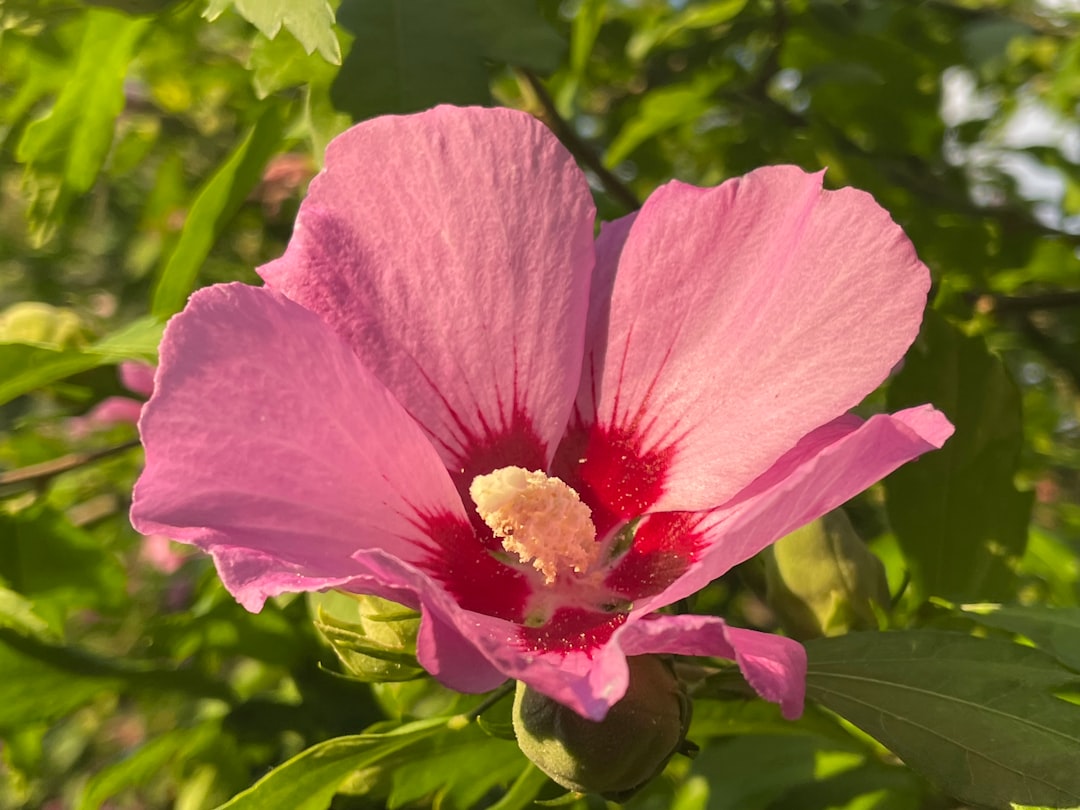
Grafting hibiscus plants is a horticultural art form that allows enthusiasts to combine the robust root systems of one plant with the vibrant blooms and unique characteristics of another. This intricate technique opens up a world of possibilities, from creating stunning multi-colored specimens to improving disease resistance and cold hardiness. Whether you aspire to produce novel combinations or simply desire to give a prized hibiscus a stronger foundation, understanding the science and practice of grafting is an invaluable skill. This guide will walk you through the essential steps, from selecting the right tools and materials to mastering the grafting process and ensuring successful aftercare, empowering you to cultivate truly exceptional hibiscus plants in your garden.
Understanding the basics of hibiscus grafting
Grafting is a plant propagation technique where tissues of plants are joined so as to continue their growth together as one plant. For hibiscus, this often involves taking a section of a desired hibiscus variety, known as the scion, and attaching it to the root system of another hibiscus, called the rootstock. The primary goal is to merge the cambium layers – the active growth tissue just beneath the bark – of both parts, allowing them to fuse and form a single, functioning plant. The rootstock provides a strong, healthy foundation, often selected for its vigor, disease resistance, or tolerance to specific soil conditions or climates, while the scion contributes the desired aesthetic traits, such as flower color, form, or leaf variegation.
There are several compelling reasons to graft hibiscus. One significant benefit is overcoming specific environmental challenges; a hibiscus variety that struggles with cold temperatures might thrive when grafted onto a cold-hardy rootstock. Similarly, if a prized hibiscus is susceptible to certain soil-borne diseases, grafting it onto a resistant rootstock can offer a protective shield. Grafting also enables the creation of unique, multi-flowered plants by joining several scions onto a single rootstock, each producing different colored blooms. Furthermore, it’s an effective method for propagating varieties that are difficult to root from cuttings or for rejuvenating older, less vigorous plants. The optimal time for hibiscus grafting is typically in spring or early summer when the plants are actively growing, and sap flow is vigorous, aiding in the successful fusion of the cambium layers.
Essential tools and materials for successful grafting
Successful hibiscus grafting hinges on precision and cleanliness, making the right tools and materials absolutely critical. Gathering everything before you begin will streamline the process and increase your chances of success.
Here is a list of what you will need:
- Grafting knife: This is perhaps the most important tool. It must be incredibly sharp to make clean, precise cuts, and kept sterilized. A razor blade can also work for smaller scions.
- Pruning shears: For preparing the rootstock and trimming the scion to length. Ensure these are also clean.
- Sterilizing solution: Rubbing alcohol (70% isopropyl) or a 10% bleach solution is essential for disinfecting your grafting knife and shears before and between each cut. This prevents the spread of diseases.
- Grafting tape or parafilm: These specialized tapes are designed to hold the scion and rootstock securely together while protecting the graft union from dehydration and infection. Parafilm is particularly useful as it is self-sealing and stretches as the plant grows, eventually degrading on its own.
- Grafting wax or sealant (optional but recommended): Applied over the wrapped union, it provides an extra layer of protection against moisture loss and pathogens, especially on exposed cut surfaces.
- Rootstock plant: Select a healthy, established hibiscus plant with a strong root system and a stem diameter that closely matches your chosen scion. Often, a vigorous, common single-petaled hibiscus is used for its hardiness.
- Scion wood: This is the portion of the hibiscus you want to propagate. It should be a healthy, disease-free shoot from the current season’s growth, ideally with 3-4 dormant or semi-dormant nodes (buds). Collect it just before grafting and keep it moist until use. The diameter should ideally match that of the rootstock for optimal cambium alignment.
- Safety gloves: To protect your hands from sharp tools.
Using high-quality materials and meticulous preparation will significantly improve your grafting success rate, turning what might seem daunting into a rewarding horticultural endeavor.
Step-by-step guide to the whip and tongue graft
The whip and tongue graft is one of the most reliable methods for hibiscus, especially when the scion and rootstock diameters are similar. Its interlocking cuts provide a strong physical union, increasing the contact area between the cambium layers.
- Preparation: Begin by sterilizing your grafting knife and pruning shears thoroughly with rubbing alcohol. Select your rootstock and scion. The rootstock should be a healthy, actively growing stem. The scion should be a dormant or semi-dormant shoot from the desired hibiscus variety, ideally with 3-4 buds, and its diameter should be similar to that of the rootstock stem where you plan to make the graft.
- Making the rootstock cut: Choose a smooth, straight section on the rootstock stem. Using your grafting knife, make a single, long (about 1.5-2 inches), smooth diagonal cut. Then, starting about one-third of the way down from the tip of this diagonal cut, make a small, downward-sloping “tongue” cut into the face of the first cut. This tongue should be about 0.5-0.75 inches deep.
- Making the scion cut: Prepare your scion wood by trimming its base. Make a cut that mirrors the diagonal cut on the rootstock, ensuring it is the same length and angle. Next, create an upward-sloping “tongue” cut into the face of this diagonal, again mirroring the rootstock’s tongue. The goal is for these two cuts to interlock perfectly.
- Joining the union: Carefully align the scion with the rootstock, interlinking their “tongues.” The most critical step here is to ensure that the cambium layers (the green tissue just beneath the bark) of both the scion and the rootstock are in direct contact, at least on one side. This is where the vascular systems will fuse.
- Securing the graft: Once aligned, firmly wrap the graft union with grafting tape or parafilm. Begin below the union and wrap upwards, covering the entire cut surface and extending slightly above the top of the scion (especially if using parafilm, which helps prevent dehydration of the buds). The wrapping should be tight enough to hold the parts together securely but not so tight as to girdle the stem. The goal is to exclude air and moisture, creating a sterile, humid environment for healing.
- Sealing (optional): If not using parafilm, which seals itself, you may apply a thin layer of grafting wax or sealant over the wrapped union to provide extra protection against moisture loss and pathogens.
Precision and speed in making the cuts are paramount to minimize tissue drying and maximize the chances of a successful union.
Caring for your grafted hibiscus
Once your hibiscus graft is complete, proper aftercare is crucial for its success. The initial weeks are a delicate period where the scion and rootstock are working to form a vascular connection.
Here are key aspects of post-graft care:
- Environmental conditions: Place the newly grafted plant in a location with high humidity and indirect light. A propagation chamber, a clear plastic bag tented over the plant, or even a humid bathroom can create the ideal microclimate. This high humidity prevents the scion from drying out before the vascular connection is established. Avoid direct, intense sunlight, which can stress the tender scion.
- Watering: Keep the rootstock consistently moist but never waterlogged. Overwatering can lead to root rot, compromising the entire plant. Monitor the soil regularly and water as needed.
- Monitoring for success: Within 2-4 weeks, you should start seeing signs of success. Look for swelling buds on the scion and the emergence of new, healthy leaves. Wilting, blackening, or drying of the scion typically indicates a failed graft. Be patient; sometimes it takes a bit longer for new growth to appear.
- Removing the tape: Once the graft union has firmly taken, and you see vigorous new growth (typically 4-8 weeks, depending on growth rate), you can begin to gradually remove the grafting tape. If using parafilm, it will often degrade on its own or stretch enough not to girdle the plant. If using other tapes, gently cut and unwrap them carefully to avoid disturbing the still-fragile union. Removing it too early can cause the graft to fail, while leaving it on too long can cause girdling, choking the stem.
- Pinching and training: Once the new growth is established, you can begin to pinch back the tips to encourage branching and a bushier habit. Remove any suckers that might emerge from the rootstock below the graft union, as these will divert energy from your desired scion.
Remember that grafting requires practice. Don’t be discouraged by initial failures; each attempt offers valuable learning experiences that will hone your skills for future successes. With consistent care and observation, your grafted hibiscus will flourish.
| Problem | Likely Cause(s) | Solution/Prevention |
|---|---|---|
| Scion wilts and dies rapidly | Dehydration, poor cambium contact | Ensure high humidity, wrap tightly with tape, match diameters precisely. |
| No new growth after several weeks | Cambium mismatch, incorrect timing, cold temperatures | Verify cambium alignment, graft during active growth, maintain warmth. |
| Graft union rots or molds | Infection, excessive moisture at union | Sterilize tools thoroughly, avoid overwatering, use grafting wax/sealant. |
| Suckers growing from rootstock | Rootstock trying to grow own branches | Promptly remove all growth below the graft union. |
| Graft union breaks easily | Insufficient healing time, weak initial join | Allow more time for fusion, ensure tight wrapping during healing. |
Conclusion
Grafting hibiscus plants is a truly rewarding horticultural endeavor that allows gardeners to create unique specimens and enhance the resilience of their favorite varieties. We’ve explored the fundamental principles, from understanding why grafting is beneficial to gathering the essential tools. The meticulous process of the whip and tongue graft, with its precise cuts and careful alignment of cambium layers, forms the backbone of success. Crucially, post-graft care—maintaining high humidity, appropriate watering, and vigilant monitoring—ensures the newly formed union thrives. While it demands patience and precision, the ability to combine a robust rootstock with a desirable scion opens up endless possibilities for custom hibiscus plants with improved vigor, disease resistance, and stunning multi-colored blooms. Each successful graft is a testament to the gardener’s skill and the plant’s remarkable capacity for fusion. Embrace this technique, and you’ll soon be enjoying your own unique, flourishing hibiscus creations, adding a touch of personalized beauty to your garden.
Image by: Mor Shani