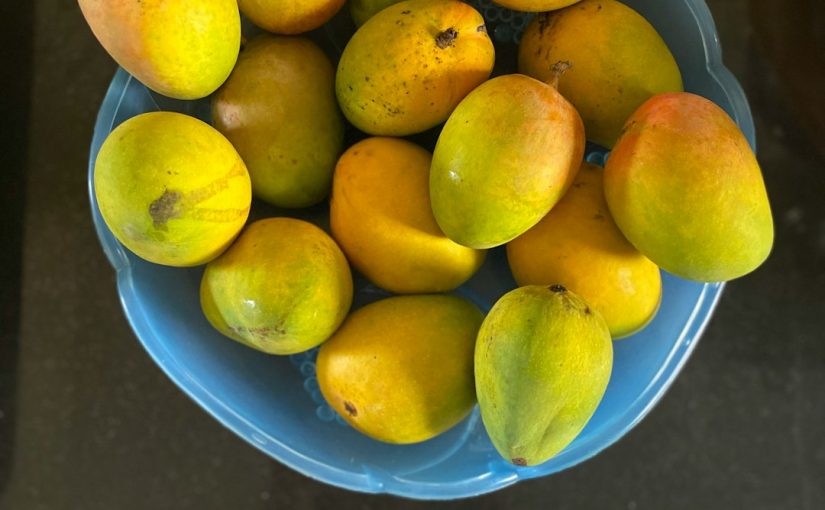
The sweet, aromatic taste of a freshly ripened Manila mango is an unparalleled tropical delight, reminiscent of sun-drenched orchards and vibrant flavors. Known for its distinct golden skin and incredibly juicy, fiber-less flesh, the Manila mango (often referred to as ‘Carabao’ in the Philippines) is a prize sought after by gardeners and fruit enthusiasts worldwide. Cultivating this magnificent tree, whether in your backyard or a large container, offers not just a bountiful harvest but also a rewarding journey into tropical horticulture. This comprehensive guide will walk you through the essential steps and expert tips needed to successfully grow a thriving Manila mango tree, ensuring you can eventually savor your own homegrown harvest.
Starting your Manila mango journey: From seed to successful planting
Embarking on the adventure of growing a Manila mango tree begins with choosing the right starter and preparing its future home. While it’s possible to grow a mango from a seed, keep in mind that a seed-grown tree can take anywhere from 5 to 8 years to bear fruit, and it might not retain the exact characteristics of the parent fruit. For quicker fruiting and guaranteed variety, it is highly recommended to purchase a grafted sapling from a reputable nursery. Grafted trees typically begin producing fruit within 2-4 years.
Once you have your sapling, site selection is paramount. Manila mangoes thrive in full sun, meaning they need at least 8 hours of direct sunlight daily. The soil should be well-draining, as these trees are susceptible to root rot in waterlogged conditions. A slightly acidic to neutral soil pH, ranging from 5.5 to 7.5, is ideal. Before planting, amend heavy clay soils with organic matter like compost or perlite to improve drainage. For sandy soils, adding compost can help retain moisture and nutrients. Dig a hole twice as wide as the root ball and just as deep. Carefully remove the tree from its container, gently loosen any circling roots, and place it in the center of the hole. Ensure the graft union (the swollen point where the top part of the tree was joined to the rootstock) remains above the soil line. Backfill the hole with soil, gently firming it down to remove air pockets, and water thoroughly.
Nurturing growth: Essential care for a thriving young tree
After planting, the initial years are crucial for establishing a strong root system and a healthy tree structure. Proper watering, nutrition, and early pest management will set your Manila mango up for long-term success. Young trees require consistent moisture, especially during dry spells. Water deeply two to three times a week for the first year, allowing the top few inches of soil to dry out between waterings. Once established, mature trees can tolerate more infrequent watering, but deep irrigation during flowering and fruiting periods is beneficial.
Fertilization should begin a few weeks after planting. Use a balanced fertilizer (e.g., 8-3-9 or similar N-P-K ratio) specifically formulated for fruit trees, or a general-purpose slow-release granular fertilizer. Apply sparingly according to product instructions, increasing the amount as the tree grows. Avoid over-fertilizing, especially with high nitrogen, which can promote leafy growth at the expense of fruit production. Monitor your tree regularly for signs of common pests like aphids, mealybugs, or scale insects. Early detection allows for organic solutions like neem oil or insecticidal soap before infestations become severe. Pruning in the early years focuses on shaping the tree, encouraging strong scaffold branches, and removing any weak, diseased, or crossing limbs. Aim for an open canopy to ensure good air circulation and sunlight penetration.
| Factor | Optimal Condition |
|---|---|
| Sunlight | Full sun (minimum 8 hours direct daily) |
| Soil Type | Well-draining loam or sandy loam |
| Soil pH | 5.5 – 7.5 (slightly acidic to neutral) |
| Watering (established) | Deeply, every 1-2 weeks; allow soil to dry between irrigations |
| Temperature range | 24-30°C (75-86°F) ideal for growth and fruiting |
Encouraging fruitfulness: Managing bloom and harvest expectations
As your Manila mango tree matures, the anticipation of its first blooms and fruits becomes a highlight. Mango trees typically bloom in late winter to early spring, producing fragrant panicles of small, creamy-white flowers. Not all flowers will set fruit, and some fruit drop is natural. To encourage fruit set, ensure the tree receives adequate water during the flowering period, but avoid overhead watering which can wash away pollen or promote fungal issues. Reduce nitrogen fertilization as the tree approaches flowering, switching to a formula higher in phosphorus and potassium to support bloom and fruit development. Good air circulation is crucial during this phase to minimize the risk of anthracnose, a common fungal disease that can affect flowers and young fruit.
Patience is key during the fruiting stage. It takes several months from flower set for the fruit to mature. Protecting developing fruit from pests like fruit flies might require bagging individual fruits or using traps. Consistent watering is important during fruit development to prevent fruit splitting and ensure juicy, well-formed mangoes. Thinning some of the smaller fruits if the tree has an exceptionally heavy set can lead to larger, higher-quality mangoes at harvest. Observe your tree closely; each year will teach you more about its specific flowering and fruiting patterns.
Sustaining your harvest: Long-term care and enjoying the bounty
Knowing when to harvest your Manila mangoes is crucial for enjoying their peak flavor. Unlike some fruits, mangoes can ripen off the tree, but they develop the best flavor when allowed to mature as much as possible on the branch. Look for signs such as a change in skin color from green to a yellowish hue, a subtle softening of the fruit, and a fragrant aroma emanating from the stem end. A gentle tug will usually detach a ripe mango easily from the branch. Harvest carefully to avoid bruising. Using clean pruning shears to snip the stem a few inches above the fruit can help prevent sap from dripping onto the fruit, which can cause skin irritation or discoloration.
After the harvest, continue regular watering and fertilization, shifting back to a balanced fertilizer to support overall tree health. Post-harvest pruning is an excellent time to maintain the tree’s size, remove any dead or diseased branches, and shape the canopy for future growth and easier harvesting. Manila mangoes are generally resilient, but in regions with cooler winters, protecting younger trees from frost might involve covering them or providing temporary shelter. With consistent care and attention to its specific needs, your Manila mango tree will continue to produce delicious fruit for many years, offering a taste of the tropics right in your own garden.
Cultivating a Manila mango tree is a truly rewarding endeavor, connecting you directly to the vibrant flavors of the tropics. From carefully selecting a healthy grafted sapling to providing consistent care through its various growth stages, each step contributes to the ultimate joy of harvesting your own sweet, succulent fruit. We’ve explored the importance of proper site selection, well-draining soil, and consistent watering, alongside strategic fertilization and proactive pest management. Understanding the delicate balance required during flowering and fruit set, and finally, knowing the optimal time for harvest, ensures you maximize both yield and flavor. By following these guidelines and dedicating time to nurture your tree, you’re not just growing a plant; you’re cultivating a source of delicious, homegrown goodness that will bring immense satisfaction for seasons to come. Enjoy the journey and the extraordinary taste of your very own Manila mangoes.
Image by: Priyanka D