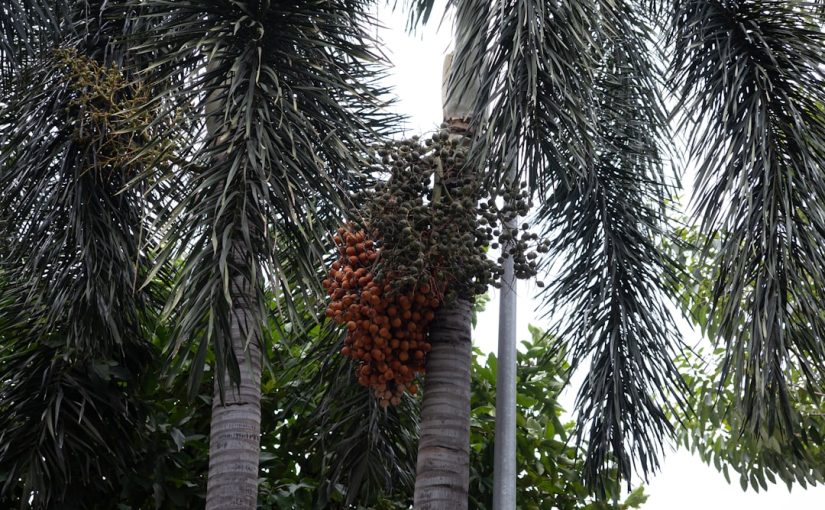
The pygmy date palm, or Phoenix roebelenii, is a graceful and popular choice for both indoor and outdoor landscapes, admired for its slender trunk and delicate, arching fronds. Its compact size makes it an ideal specimen for smaller gardens, patios, or as an elegant houseplant, bringing a touch of the tropics to any setting. While often purchased as established plants, there’s a unique satisfaction in nurturing these beautiful palms from their very beginnings: a tiny seed. This comprehensive guide will walk you through the rewarding journey of propagating a pygmy date palm from seed, transforming a small kernel into a vibrant, living palm. Prepare to embark on a journey of patience and precise care, culminating in the joy of watching your very own palm tree flourish.
Sourcing and preparing your seeds
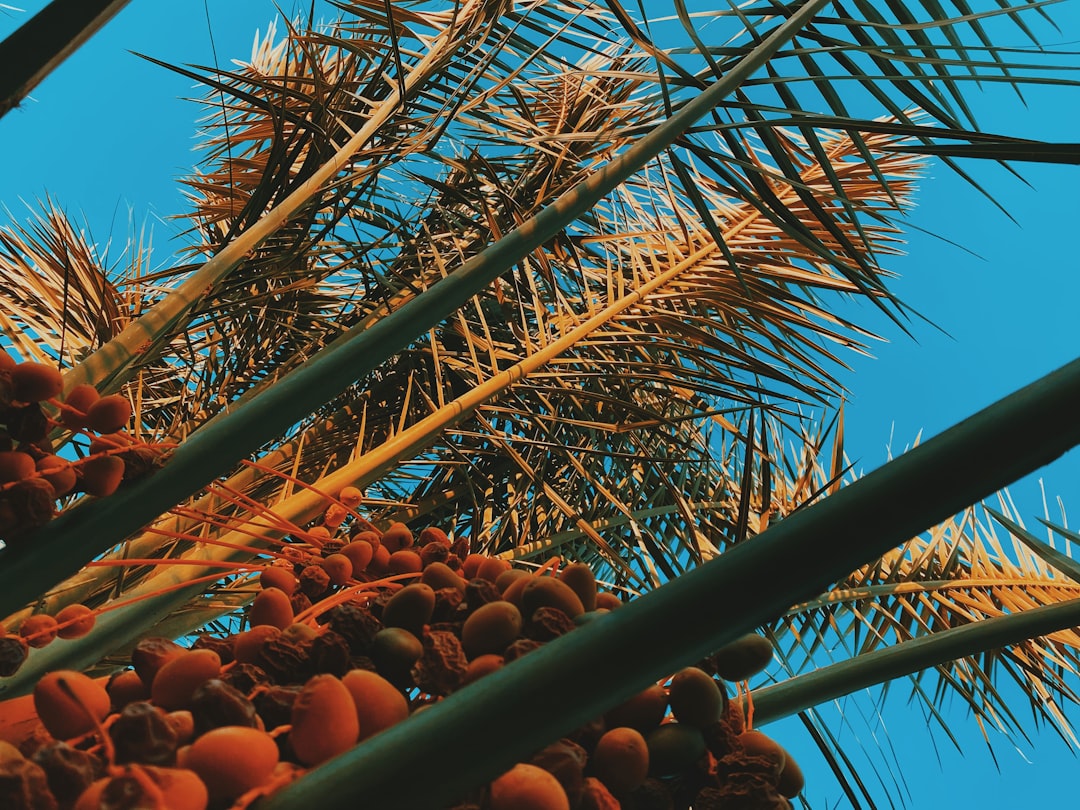
The first crucial step in growing a pygmy date palm from a seed is obtaining viable seeds. The fresher the seeds, the higher your chances of successful germination. Ideally, source seeds directly from ripe fruit, which are typically small, reddish-brown, and about a quarter to half an inch long. If fresh fruit isn’t an option, purchase seeds from a reputable online supplier, ensuring they are not too old. Once you have your seeds, proper preparation is key to breaking their natural dormancy.
Begin by thoroughly cleaning the seeds. Any remaining fruit pulp contains inhibitors that can prevent germination and may encourage mold growth. Gently scrub the seeds under running water, perhaps using a soft brush, until they are completely free of fleshy residue. After cleaning, it’s highly recommended to soak the seeds. Submerge them in a bowl of warm (not hot) water for 24 to 48 hours, changing the water every 12 hours. This process helps to soften the seed coat and rehydrate the embryo, signaling to the seed that it’s time to wake up. Some enthusiasts even suggest a light scarification, carefully nicking the tough outer shell with a file or sandpaper, to further aid water penetration, but this should be done with extreme caution to avoid damaging the embryo.
The germination process: patience is key
With your seeds prepared, the next phase is to create the ideal environment for germination. Pygmy date palm seeds are known for their slow and sometimes erratic germination, so patience truly is a virtue here. Select a well-draining, sterile growing medium to prevent fungal issues. A good option is a mix of perlite and vermiculite, or a specialized seed-starting mix that is light and airy. Plant each seed about half an inch deep in individual small pots or a seed tray, ensuring good spacing between them.
Warmth is paramount for successful germination. The ideal temperature range is consistently between 85-95°F (29-35°C). Using a heated propagation mat beneath your seed tray is often crucial, especially in cooler climates or indoor settings, to maintain this warmth. High humidity is also beneficial; you can achieve this by covering the pots with plastic wrap or placing them inside a clear plastic dome, creating a mini-greenhouse effect. Ensure there’s some ventilation to prevent excessive condensation and mold. Keep the medium consistently moist but not waterlogged. Germination can take anywhere from a few weeks to several months, or even up to a year. Do not give up prematurely; continue to maintain the warmth and moisture, and eventually, a tiny sprout will emerge.
| Factor | Ideal conditions for pygmy date palm seed germination |
|---|---|
| Seed preparation | Cleaned, soaked 24-48 hours |
| Planting depth | 0.5 inches (1.25 cm) |
| Temperature | 85-95°F (29-35°C) |
| Humidity | High (plastic cover/dome) |
| Germination time | Weeks to 12+ months |
Nurturing your seedlings into young palms
Once your pygmy date palm seeds have successfully germinated and the first true leaf emerges, it’s time to transition them into individual pots to encourage stronger root development and growth. This initial leaf might look more like a grass blade than a palm frond, but it’s a sure sign of life. Gently transplant each seedling when it has developed a root system substantial enough to handle the move, typically when it has at least one or two true leaves. Choose a pot that is relatively deep, as pygmy date palms develop a strong taproot, and ensure it has excellent drainage holes to prevent root rot.
For the potting mix, opt for a well-draining, sandy loam that mimics their natural habitat. A blend of peat moss, perlite, sand, and a small amount of compost works well. Avoid heavy, clay-rich soils. After transplanting, place your young palms in a location that receives bright, indirect light. Direct, harsh sunlight can scorch tender new leaves. Maintain consistent moisture in the soil, allowing the top inch to dry out slightly between waterings, but never letting the pot completely dry or sit in standing water. Humidity remains important for young palms, so misting regularly or placing the pots on a pebble tray with water can be beneficial. Hold off on fertilizing until the plant has established itself for a few months and shows vigorous growth, then apply a very diluted, balanced liquid fertilizer.
Long-term care for thriving pygmy date palms
As your pygmy date palm seedlings mature, their care requirements will evolve slightly to support their ongoing growth. Repotting will be necessary every one to two years, or when you notice roots emerging from the drainage holes, moving to a pot that is only slightly larger than the previous one to avoid overwatering issues. Always use a well-draining potting mix, similar to what was used for seedlings, perhaps with a bit more organic matter for mature plants.
Watering frequency for mature palms depends on their environment. Indoor palms generally need less frequent watering than outdoor specimens. Always check the top few inches of soil; water thoroughly when it feels dry to the touch, ensuring water drains freely from the bottom of the pot. Fertilize during the growing season (spring and summer) with a slow-release palm-specific fertilizer or a balanced liquid fertilizer, following the product’s instructions carefully. Pygmy date palms thrive in bright light, ideally with some direct sun, whether indoors near a sunny window or outdoors in a spot receiving partial to full sun. Protect them from freezing temperatures if grown outdoors. Pruning is minimal, mainly involving the removal of yellowing or brown fronds close to the trunk using clean, sharp shears to maintain appearance and health. Regularly inspect your palm for common pests like spider mites or mealybugs, and address any infestations promptly with appropriate organic or chemical treatments.
Growing a pygmy date palm from seed is a journey that truly embodies the gardener’s virtue of patience and perseverance. We’ve explored the essential steps, from meticulously preparing your chosen seeds and understanding the crucial germination conditions, to nurturing delicate seedlings into robust young palms. Each stage, from the initial soaking to providing the ideal warmth and humidity, plays a vital role in coaxing life from a dormant seed. As your palm matures, consistent care in watering, fertilizing, and providing adequate light will ensure its long-term health and vitality.
The reward for your dedication is not just a beautiful plant, but the profound satisfaction of having cultivated life from its most fundamental beginning. Watching the first frond unfurl and seeing your palm grow from a tiny sprout into an elegant feature of your home or garden is an experience unlike any other. Embrace the process, learn from any setbacks, and enjoy the remarkable transformation. Your efforts will culminate in a thriving pygmy date palm, a living testament to your green thumb and a serene addition to your botanical collection.
Image by: Phuong Nguyen