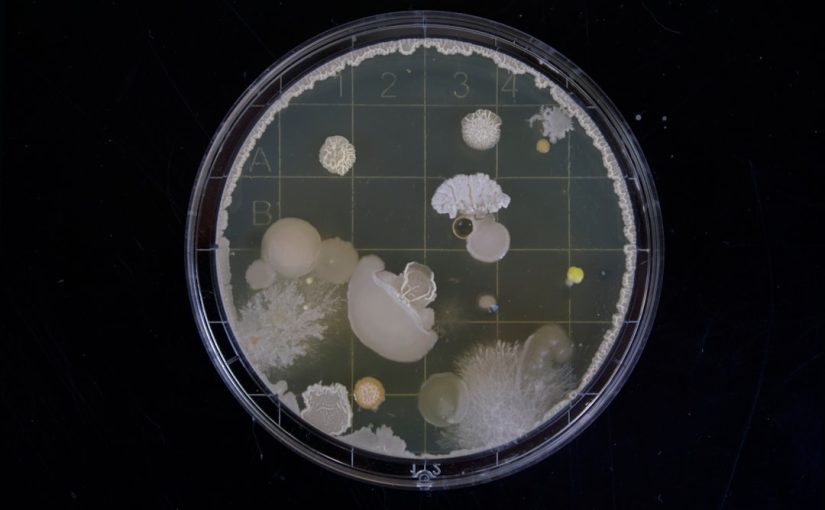
Bacillus subtilis is a highly versatile, Gram-positive, rod-shaped bacterium renowned for its robust nature and numerous applications across various industries. From its significant role in biotechnology for producing enzymes, antibiotics, and other biomolecules, to its use as a probiotic in animal feed and a biocontrol agent in agriculture, understanding how to effectively cultivate this microorganism is paramount for researchers, biotechnologists, and hobbyists alike. Growing Bacillus subtilis successfully requires meticulous attention to environmental conditions, nutrient provision, and sterile techniques. This comprehensive guide will delve into the essential steps and considerations for the optimal growth and maintenance of this fascinating bacterium, ensuring you achieve thriving cultures for your specific needs.
Optimal environmental conditions for Bacillus subtilis
The successful cultivation of Bacillus subtilis begins with establishing the right environmental parameters. As a mesophilic bacterium, B. subtilis thrives within a specific temperature range. The ideal temperature for most strains is typically between 28°C and 37°C, with 30°C or 37°C being commonly used in laboratory settings. Maintaining a stable temperature is crucial, as fluctuations can stress the culture and impede growth. Beyond temperature, pH plays a significant role. B. subtilis prefers a neutral to slightly alkaline environment, with an optimal pH range usually between 6.0 and 8.0, often targeted at pH 7.0-7.4. Buffering the growth medium helps maintain this stability throughout the growth phase. While B. subtilis is a facultative anaerobe, meaning it can grow in the absence of oxygen, it demonstrates significantly more vigorous growth under aerobic conditions. Therefore, adequate oxygenation, often achieved through shaking incubators or aeration systems, is vital for high cell density cultures.
Selecting and preparing the growth medium
The choice and meticulous preparation of the growth medium are fundamental to propagating Bacillus subtilis. Several standard laboratory media support robust growth. Luria-Bertani (LB) broth is perhaps the most widely used and effective medium, consisting of tryptone, yeast extract, and sodium chloride. Nutrient broth is another common alternative, offering a slightly simpler nutritional profile. For specific research applications, a minimal medium might be chosen, containing only essential salts, a carbon source (like glucose or glycerol), and a nitrogen source. Regardless of the chosen medium, sterility is non-negotiable. All media must be prepared using distilled or deionized water, sterilized by autoclaving (typically at 121°C for 15-20 minutes at 15 psi), and then allowed to cool before inoculation. This crucial step prevents contamination by other microorganisms that could outcompete or inhibit B. subtilis growth. Ensure all glassware and equipment coming into contact with the medium are also thoroughly sterilized.
Here’s a comparison of common media components:
| Medium type | Key components | Typical uses |
|---|---|---|
| Luria-Bertani (LB) broth | Tryptone, yeast extract, NaCl | General growth, high cell density |
| Nutrient broth | Peptone, beef extract, NaCl | General growth, less rich than LB |
| Minimal medium | Salts (e.g., K2HPO4, KH2PO4), carbon source (e.g., glucose), nitrogen source (e.g., NH4Cl) | Studying metabolic pathways, specific gene expression |
Inoculation, incubation, and culturing techniques
Once the sterile medium is prepared, the next critical step is inoculation. This process involves introducing a small amount of a pure B. subtilis culture into the fresh medium, always performed under aseptic conditions—typically in a laminar flow hood or near a Bunsen burner flame to create a sterile working zone. A common practice is to inoculate liquid media with a fresh colony from an agar plate or a small aliquot from a glycerol stock. For liquid cultures, a 1:100 dilution (e.g., 1 ml of overnight culture into 100 ml of fresh medium) is often sufficient to kickstart growth without overwhelming the medium too quickly. After inoculation, the culture is placed in an incubator. As mentioned, a shaking incubator is preferred for liquid cultures to provide continuous aeration and prevent cell settling, promoting uniform growth. Incubation typically proceeds for 12 to 24 hours, depending on the desired growth phase (e.g., exponential growth, stationary phase). For growth on solid media, spread-plating or streak-plating techniques are used to obtain isolated colonies on agar plates, which are then incubated upside down at the optimal temperature to prevent condensation from dripping onto the agar surface.
Assessing growth and long-term preservation
Monitoring the growth of Bacillus subtilis is essential to understand the culture’s health and to determine the optimal harvest time. The most straightforward method is observing turbidity: a cloudy liquid medium indicates bacterial proliferation. More quantitatively, growth can be measured using a spectrophotometer to determine the optical density at 600 nm (OD600), which correlates with cell concentration. Another precise method is colony-forming unit (CFU) counting, where serial dilutions of the culture are plated on agar and the resulting colonies are counted after incubation. Once sufficient growth is achieved, cultures can be harvested for downstream applications. For long-term preservation, preventing degradation and maintaining viability is key. Short-term storage (weeks to a few months) can be achieved by refrigerating agar plates or liquid cultures at 4°C. For extended periods (months to years), creating glycerol stocks is a standard method. This involves mixing a dense bacterial culture with sterile glycerol (typically to a final concentration of 15-25% glycerol) and freezing aliquots at -80°C. Glycerol acts as a cryoprotectant, preventing ice crystal formation that could damage cells. Lyophilization (freeze-drying) offers even longer-term preservation but requires specialized equipment.
Cultivating Bacillus subtilis effectively is a foundational skill for anyone working with this incredibly useful microorganism. By carefully controlling environmental factors such as temperature and pH, selecting and sterilizing appropriate growth media, and employing meticulous inoculation and incubation techniques, you can ensure robust and healthy cultures. Furthermore, understanding how to monitor growth and properly preserve your strains is crucial for reproducibility and long-term research or application success. From the initial sterile preparation to the final preservation methods, each step plays a vital role in harnessing the full potential of B. subtilis. With attention to these detailed guidelines, you are well-equipped to grow this versatile bacterium with confidence and consistency, unlocking its many benefits in your own endeavors.
Image by: Michael Schiffer