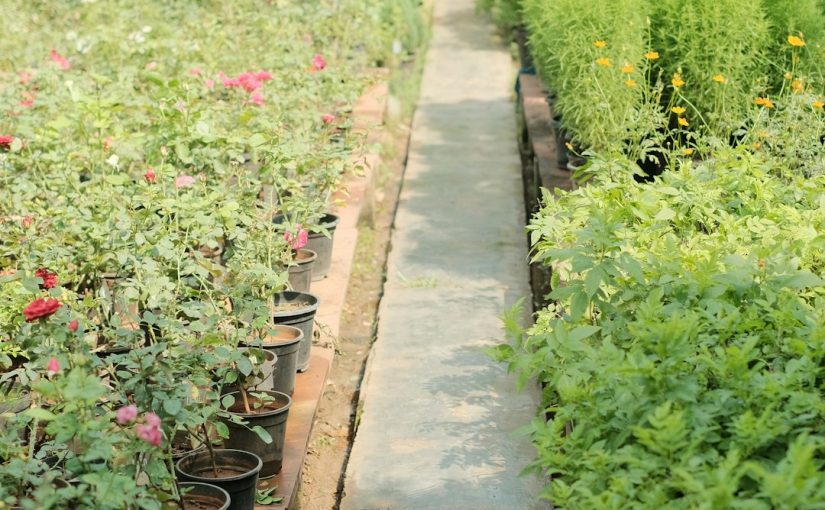
Lantana, with its vibrant clusters of flowers, offers a continuous spectacle of color from spring through fall, making it a beloved choice for gardens and containers alike. Its drought tolerance and low maintenance appeal to many gardeners seeking beauty without constant fuss. While readily available as nursery starts, cultivating lantana from saved seeds presents a rewarding and economical alternative. Not only does it allow you to propagate your favorite varieties, but it also provides immense satisfaction in witnessing the full life cycle of this stunning plant. This guide will walk you through the entire process, from carefully harvesting seeds to nurturing robust plants, ensuring your garden is awash with the cheerful hues of lantana for seasons to come. Discover the simple steps to transform tiny seeds into magnificent flowering specimens.
Collecting and storing lantana seeds
Successfully growing lantana from saved seeds begins with proper collection and storage. The key is to harvest seeds from mature, healthy plants that have produced the colors and growth habits you desire. After the flowers fade, small, green berries will form. Do not pick these prematurely. Wait until the berries turn dark purple or black, indicating they are fully ripe. At this stage, they will be soft to the touch and easily detached from the plant.
Once collected, you need to clean the seeds. Macerate the berries by gently crushing them to release the seeds. You can do this by placing them in a sieve and running water over them, or by mashing them in a bowl of water. Viable seeds will typically sink, while pulp and undeveloped seeds will float. Rinse the good seeds thoroughly to remove any remaining fruit pulp, which can inhibit germination or encourage mold growth during storage. After cleaning, spread the seeds out on a paper towel or screen in a well-ventilated area away from direct sunlight. Allow them to dry completely for several days. This is a crucial step; any moisture left in the seeds can lead to rot or mold.
For storage, place the dried seeds in a breathable paper envelope or a small, airtight container. Label the container with the date of collection and the variety of lantana. Store them in a cool, dark, and dry place, such as a closet or a refrigerator. Stored correctly, lantana seeds can remain viable for one to two years, though fresh seeds generally have the best germination rates.
Starting your seeds indoors
Starting lantana seeds indoors gives them a head start and improves germination success, especially in cooler climates. Aim to sow seeds about 8-10 weeks before your last anticipated frost date. While not strictly necessary for all lantana varieties, some sources suggest that stratification (exposing seeds to cold) or scarification (lightly scratching the seed coat) can improve germination rates for particularly tough-coated seeds. If you choose to stratify, place the cleaned, dried seeds in a damp paper towel inside a plastic bag and refrigerate for 3-4 weeks. For scarification, a gentle rub with fine-grit sandpaper can suffice.
Prepare your seed-starting trays or small pots with a high-quality, sterile seed-starting mix. This provides good drainage and prevents damping-off disease. Moisten the mix thoroughly before planting. Plant the lantana seeds about 1/4 inch deep. Lantana seeds require warmth and light to germinate effectively. Place your seed trays in a warm location, ideally maintaining a consistent temperature between 70-75°F (21-24°C). A heating mat can be very beneficial for this. Provide bright, indirect light for at least 12-16 hours a day using grow lights or a sunny window. Keep the soil consistently moist but not waterlogged. You can achieve this by misting regularly or bottom-watering the trays. Germination can be variable, typically occurring within 2-4 weeks, but it can sometimes take longer, so be patient.
Here’s a quick overview of ideal germination conditions:
| Parameter | Ideal Value |
|---|---|
| Temperature | 70-75°F (21-24°C) |
| Light | Bright, indirect (12-16 hours) |
| Moisture | Consistently moist (not waterlogged) |
| Germination Time | 2-4 weeks (can vary) |
Nurturing seedlings and preparing for transplant
Once your lantana seeds have germinated and developed their first set of true leaves, they will need careful attention to grow into strong, healthy plants ready for the garden. As seedlings emerge, ensure they continue to receive ample light to prevent them from becoming leggy. If using grow lights, keep them just a few inches above the plant tops, adjusting as the seedlings grow. Maintain consistent moisture levels, allowing the top layer of soil to dry slightly between waterings, but never letting the seedlings completely dry out.
When seedlings have grown two to three sets of true leaves, it’s time to thin them or transplant them into individual larger pots. If you sowed multiple seeds in one cell, snip the weaker seedlings at the soil line, leaving the strongest one. If transplanting, gently tease out individual seedlings, handling them by their leaves rather than their delicate stems. Replant them into 3-4 inch pots filled with a good quality potting mix. Continue to provide bright light and monitor watering carefully. You can begin feeding with a diluted, balanced liquid fertilizer at half strength every two weeks once they are established in their new pots.
Before moving your lantana plants outdoors, they need to be “hardened off.” This process gradually acclimates them to outdoor conditions like wind, direct sunlight, and fluctuating temperatures. Over a period of 7-10 days, place your pots in a sheltered outdoor location for a few hours each day, gradually increasing their exposure time and moving them to sunnier spots. Bring them indoors at night if temperatures are expected to drop significantly. Once hardened off and all danger of frost has passed, your lantanas are ready for their permanent home in the garden.
Ongoing care for thriving lantana
Once your lantana plants are established in the garden, they are remarkably low-maintenance, but a little ongoing care will ensure a spectacular display of blooms. Lantana thrives in full sun, requiring at least six hours of direct sunlight per day to produce the most prolific flowers. They are adaptable to a range of soil types but prefer well-draining soil. Amend heavy clay soils with compost to improve drainage. Space plants according to their mature size, usually 1-3 feet apart, depending on the variety.
Watering is crucial during establishment. Water newly planted lantanas regularly until their root systems are well-developed, typically for the first few weeks. Once established, lantana is quite drought-tolerant and requires less frequent watering. Allow the soil to dry out between waterings before giving them a deep soak. Overwatering can lead to root rot. While lantana is not a heavy feeder, a balanced, slow-release granular fertilizer applied in spring or a liquid feed every 4-6 weeks during the growing season can boost flowering. Avoid high-nitrogen fertilizers, which can promote leafy growth at the expense of blooms.
Deadheading (removing spent flowers) is not strictly necessary as new blooms will readily form, but it can encourage more continuous flowering and prevent the formation of new seeds if you wish to control spread. Pruning in early spring can help maintain a desired shape and encourage bushier growth. Remove any leggy or woody stems. Lantana is generally pest and disease resistant, though occasionally you might encounter aphids or whiteflies. These can usually be managed with insecticidal soap or a strong spray of water. With these simple care practices, your lantana will provide a vibrant burst of color throughout the warmer months.
Growing lantana from saved seeds is a deeply satisfying journey, transforming tiny, dark berries into a dazzling display of color that invigorates any garden space. We’ve explored each crucial step, beginning with the careful selection, cleaning, and storage of ripe seeds, emphasizing the importance of proper drying for long-term viability. From there, we delved into the specifics of indoor seed starting, covering optimal temperatures, light conditions, and the subtle benefits of stratification or scarification to encourage robust germination. The nurturing phase of young seedlings, including proper watering, light, and the critical hardening-off process, ensures your plants are strong and resilient for their transition outdoors. Finally, understanding the ongoing care requirements for established lantana, such as sunlight, watering, and pruning, guarantees a continuous and abundant bloom. By following these detailed steps, you not only save money but also gain an intimate connection with your garden, watching life unfold from your very own collected treasures. Embrace the rewarding challenge and enjoy the vibrant beauty of homegrown lantana.
Image by: Ravi Sharma