<p>Peruano beans, often known as Mayocoba beans, are a culinary delight cherished for their creamy texture and mild, buttery flavor. Originating from Peru, these versatile legumes are a staple in many South American dishes, offering a wonderful alternative to more common bean varieties. While readily available in dried form, cultivating your own Peruano beans at home provides an unparalleled freshness and satisfaction that store-bought options simply can’t match. Imagine harvesting plump, tender beans directly from your garden, ready to be transformed into a delicious meal. This comprehensive guide will equip you with all the essential knowledge, from preparing your garden bed to the final harvest, ensuring a successful and bountiful yield of these delightful legumes.</p>
<h2>Getting started: site selection and soil preparation</h2>
<p>The foundation of a successful Peruano bean harvest lies in choosing the right location and meticulously preparing your soil. These warmth-loving plants thrive in full sun, requiring at least six to eight hours of direct sunlight daily to produce robust yields. A sunny spot will encourage vigorous growth and ample pod development. Beyond sunlight, soil quality is paramount. Peruano beans prefer well-draining, loose, loamy soil that allows their roots to penetrate easily and prevents waterlogging, which can lead to root rot.</p>
<p>Before planting, it’s highly recommended to conduct a soil test. This will provide valuable insights into your soil’s composition, nutrient levels, and pH. Peruano beans perform best in soil with a pH ranging from 6.0 to 7.0, which is slightly acidic to neutral. If your soil test indicates deficiencies or an unfavorable pH, you can amend it accordingly. Incorporating a generous amount of organic matter, such as well-rotted compost or aged manure, is crucial. This not only improves drainage in heavy clay soils but also enhances water retention in sandy soils and enriches the overall fertility, providing a slow-release source of nutrients for your growing beans. Clear the area of any weeds or debris, ensuring your young bean plants face minimal competition.</p>
<h2>Planting your peruano beans</h2>
<p>Once your site is prepared, the next step is planting. Timing is everything with Peruano beans; they are sensitive to cold and should only be sown after all danger of frost has passed and the soil temperature consistently registers above 60°F (15°C), typically in late spring or early summer. Direct sowing is the preferred method for beans, as they generally don’t transplant well.</p>
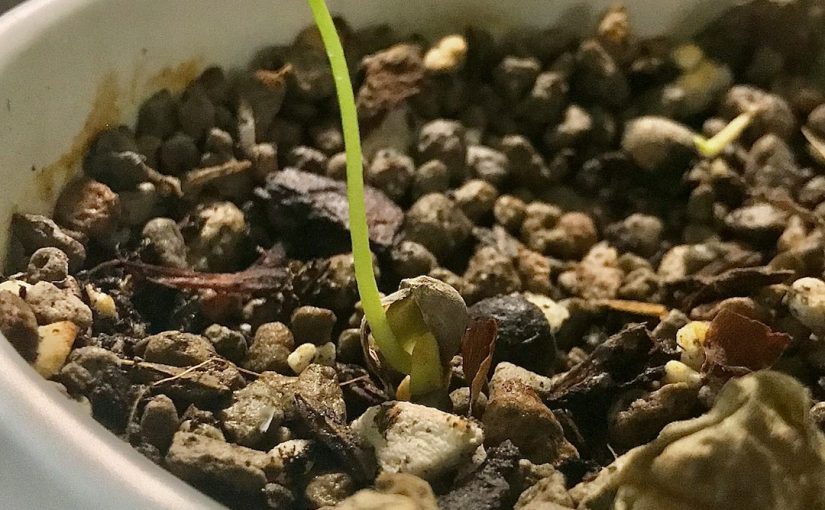
<p>To plant, create shallow furrows about one inch deep. Place the bean seeds approximately four to six inches apart within the rows. If you’re planting multiple rows, space them about two to three feet apart to allow for adequate air circulation and easy access for weeding and harvesting. Gently cover the seeds with soil and lightly tamp down to ensure good seed-to-soil contact. Immediately after planting, water the area thoroughly to initiate germination. It’s vital to keep the soil consistently moist but not waterlogged during this initial germination phase, which usually takes 7-14 days. Peruano beans are bush varieties, meaning they grow compactly and generally do not require trellising or support, making them a great choice for smaller gardens.</p>
<h2>Nurturing your plants: watering, feeding, and protection</h2>
<p>Consistent care after planting will significantly impact your Peruano bean yield. Proper watering is critical, especially once the plants begin to flower and develop pods. Aim for about one inch of water per week, either from rainfall or irrigation. In hot, dry periods, you may need to water more frequently. It is best to water deeply and at the base of the plants to encourage deep root growth and minimize moisture on the foliage, which can help prevent fungal diseases. Drip irrigation or soaker hoses are excellent tools for this.</p>
<p>Regarding fertilization, remember that beans are legumes and have the remarkable ability to fix nitrogen from the atmosphere into the soil. Therefore, avoid high-nitrogen fertilizers, which can encourage leafy growth at the expense of bean production. If your soil test indicated deficiencies, a balanced, slow-release fertilizer or one higher in phosphorus and potassium can be beneficial before flowering. A side-dressing of compost tea or a thin layer of compost mid-season can also provide a gentle nutrient boost. <b>Weed control</b> is important; mulch around your plants with straw or shredded leaves to suppress weeds, conserve soil moisture, and regulate soil temperature. Hand-weed carefully to avoid disturbing the shallow root systems of your bean plants.</p>
<p><b>Pest and disease management</b> is an ongoing process. Common pests like aphids and bean beetles can be problematic. Inspect your plants regularly; early detection allows for simpler intervention, such as hand-picking beetles, blasting aphids with a strong stream of water, or applying organic insecticides like neem oil. Good air circulation, achieved through proper plant spacing and avoiding overhead watering, is your best defense against common fungal diseases like powdery mildew and rust.</p>
<table border=”1″>
<caption>Optimal growing conditions for Peruano beans</caption>
<tr>
<th>Requirement</th>
<th>Optimal condition</th>
</tr>
&tr>
<td>Soil pH</td>
<td>6.0 – 7.0</td>
</tr>
<tr>
<td>Soil temperature (for germination)</td>
<td>60-80°F (15-27°C)</td>
</tr>
<tr>
<td>Sunlight</td>
<td>Full sun (6-8+ hours)</td>
</tr>
<tr>
<td>Plant spacing (in-row)</td>
<td>4-6 inches</td>
</tr>
<tr>
<td>Watering (per week)</td>
<td>1 inch</td>
</tr>
</table>
<h2>Harvesting and enjoying your peruano beans</h2>
<p>The reward for your hard work comes at harvest time, and Peruano beans offer versatility in how they can be gathered. While primarily grown for their dried beans, they can also be enjoyed as fresh shell beans. <i>For fresh shell beans</i>, wait until the pods are plump and firm, indicating the beans inside are fully formed but still tender and bright in color. The pods should snap easily. This usually occurs around 70-80 days after planting. Carefully snap the pods from the plant, shell the beans, and use them immediately or refrigerate for a few days.</p>
<p><i>For dry beans</i>, which is the most common use for Peruano beans, allow the pods to mature fully on the plant. They will dry out, turning yellow, then brown, and become brittle. The beans inside will be hard. This typically takes 90-100 days from planting. Once the pods are dry, you can either pick individual pods or, if the majority of the plant’s pods are dry, cut the entire plant at the base and hang it upside down in a cool, dry, well-ventilated area for a week or two to finish drying. After shelling the dry beans, spread them in a single layer on a screen or tray in a well-ventilated spot out of direct sunlight for another 1-2 weeks to ensure they are thoroughly dry. This crucial <i>curing</i> process prevents mold during storage. Once completely dry, store your Peruano beans in airtight containers in a cool, dark, and dry place, where they can last for several years.</p>
<p>Growing Peruano beans from seed to harvest is a deeply satisfying journey that yields delicious rewards. We’ve covered everything from selecting the perfect sun-drenched spot and enriching your soil to planting precisely and nurturing your plants through careful watering and protection. Understanding the subtle nuances of when to harvest, whether for fresh shell beans or the more common dried variety, ensures you maximize your yield and enjoy the best possible flavor. The key takeaways for success are consistent sunlight, well-draining soil, regular moisture, and timely harvesting.</p>
<p>Embracing the process of cultivating your own Peruano beans offers not just fresh ingredients for your culinary adventures, but also a profound connection to your food source. The unique creamy texture and mild taste of homegrown Peruano beans will undoubtedly elevate your meals and inspire further gardening endeavors. So, roll up your sleeves, prepare your garden, and embark on this rewarding journey; your palate—and your garden—will thank you for it.</p>
Image by: Daisy Tran