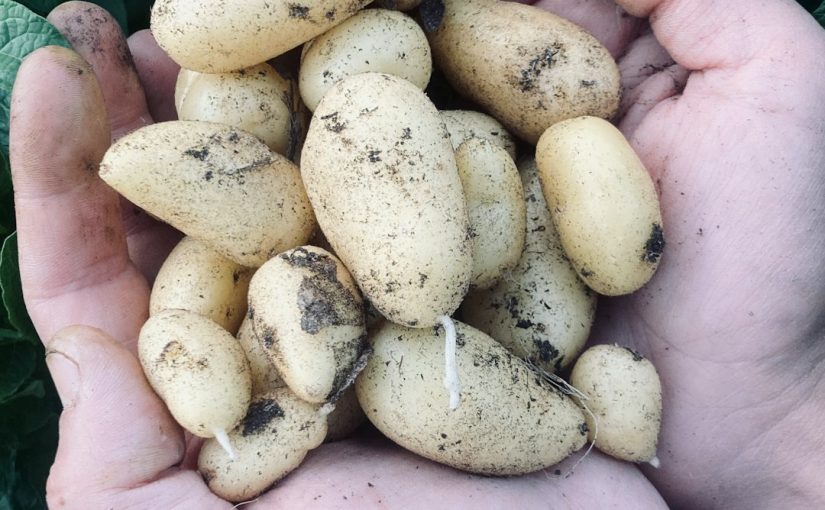
The vibrant allure of purple potatoes extends far beyond their striking color; they are a nutritional powerhouse, packed with antioxidants, and offer a unique culinary experience. Unlike their white or yellow counterparts, these earth gems bring a touch of unexpected beauty to any dish, transforming a simple meal into something extraordinary. Growing your own purple potatoes can be an incredibly rewarding endeavor, providing fresh, healthy produce right from your backyard or garden patch. Whether you’re a seasoned gardener looking to diversify your harvest or a curious beginner eager to try something new, cultivating these visually stunning tubers is a straightforward process that promises delicious results. This guide will walk you through everything you need to know to successfully grow a bountiful crop of beautiful purple potatoes.
Choosing the right variety and preparing your soil
The journey to a successful purple potato harvest begins with selecting the appropriate variety and meticulously preparing your growing medium. Several excellent purple potato varieties are available, each with its own characteristics. ‘All Blue’, for instance, offers a deep purple skin and flesh, excellent flavor, and good storage qualities. ‘Purple Majesty’ boasts a darker purple hue and is particularly renowned for its high anthocyanin content, making it a nutritional powerhouse. ‘Adirondack Blue’ provides a beautiful blue skin with a marbled white interior, adding visual interest. Consider these popular options:
| Variety | Key Characteristics | Days to Maturity |
|---|---|---|
| ‘All Blue’ | Deep purple skin and flesh, earthy flavor, good for baking/roasting | 90-100 days |
| ‘Purple Majesty’ | Uniform dark purple skin and flesh, high in antioxidants, firm texture | 80-90 days |
| ‘Adirondack Blue’ | Blue skin with white marbling, creamy texture, versatile for many dishes | 90-110 days |
Once you’ve chosen your desired variety, focus on your soil. Potatoes thrive in loose, well-draining soil rich in organic matter. A slightly acidic pH, ideally between 5.0 and 6.0, is optimal. Before planting, consider performing a soil test to understand its current composition and pH. Amend heavy clay soils with compost, aged manure, or other organic materials to improve drainage and aeration. For sandy soils, organic matter will help retain moisture and nutrients. Dig your garden bed to a depth of at least 10-12 inches, ensuring it receives full sun – a minimum of 6-8 hours of direct sunlight per day is crucial for robust growth.
Planting and initial care
Timing is everything when it comes to planting potatoes. Wait until all danger of frost has passed in your region, typically in early spring when the soil temperature consistently reaches about 45°F (7°C). You’ll start with “seed potatoes,” which are small tubers or pieces of larger tubers specifically grown for planting. About two weeks before planting, you can encourage sprouts by ‘chitting’ them. Place seed potatoes in a single layer in a cool, bright spot (around 60-70°F or 15-21°C). This process allows sturdy, short sprouts to form, giving your plants a head start.
If your seed potatoes are larger than a chicken egg, cut them into pieces, ensuring each piece has at least two “eyes” (small indentations where sprouts emerge). Allow these cut pieces to cure for 1-2 days in a dry, open area to form a protective layer, which helps prevent rot once planted. Plant your seed potato pieces about 4-6 inches deep and 12-15 inches apart in rows that are approximately 3 feet apart. This spacing allows for adequate air circulation and root development. After planting, water thoroughly to settle the soil around the seed potatoes. Consistent moisture is vital during the initial growth phase, but avoid waterlogging, which can lead to rot.
Ongoing maintenance and pest management
As your potato plants grow, proper ongoing care will ensure a healthy and productive harvest. One of the most critical practices for potatoes is “hilling.” Once your plants reach about 6-8 inches tall, begin to gently pull soil up around the base of the plant, covering the lower leaves. Repeat this process every few weeks as the plant grows, creating a mound or “hill” around the stem. Hilling serves several purposes: it protects developing tubers from sunlight (preventing them from turning green and potentially toxic), encourages the formation of more tubers, and helps stabilize the plants. Aim to keep the tubers covered by at least 6-8 inches of soil.
Fertilization should be approached carefully. Potatoes are heavy feeders but prefer a fertilizer low in nitrogen and higher in phosphorus and potassium. Too much nitrogen can encourage leafy growth at the expense of tuber development. Apply a balanced organic fertilizer, or one formulated for root vegetables, when plants are 6-8 inches tall and again when they begin to flower. Keep an eye out for common pests and diseases. The Colorado potato beetle is a notorious culprit; hand-picking adults and larvae can be effective for small gardens. Early and late blight, fungal diseases, can be managed through good air circulation, proper plant spacing, and, if necessary, organic fungicides. Crop rotation is also crucial to prevent the buildup of soil-borne diseases and pests, so avoid planting potatoes in the same spot year after year.
Harvesting and storage
Knowing when and how to harvest your purple potatoes is key to enjoying their full flavor and ensuring they store well. Potatoes are typically ready for harvest when the plant’s foliage begins to yellow and die back, usually 2-3 weeks after flowering. For “new potatoes” – smaller, tender tubers – you can gently dig around the plant and snip off a few without disturbing the main plant too much. For a full harvest, wait until the vines have completely died back. This allows the potato skins to thicken, which is essential for good storage.
When harvesting, use a digging fork or spade, carefully inserting it several inches away from the main stem to avoid puncturing the tubers. Gently lift the plant and surrounding soil, then sift through the loosened earth to find all the potatoes. Handle them carefully to prevent bruising. After harvesting, allow the potatoes to “cure” for 1-2 weeks. Spread them in a single layer in a cool, dark, humid area (around 50-60°F or 10-15°C). Curing helps heal any minor nicks, further thickens the skin, and improves their storage life. Once cured, store your purple potatoes in a cool, dark, and humid place, ideally between 45-50°F (7-10°C), such as a root cellar or unheated basement. Avoid storing them in direct sunlight or refrigeration, as this can cause them to sprout or turn green.
Cultivating purple potatoes from your own garden is an immensely gratifying experience that offers both aesthetic beauty and significant nutritional benefits. We’ve explored the entire journey, from selecting the ideal variety and meticulously preparing your soil to the nuanced practices of planting, ongoing care, and pest management. Understanding the importance of hilling, providing balanced nutrition, and recognizing when to harvest are all crucial steps that culminate in a successful crop. Finally, proper curing and storage techniques ensure that your vibrant harvest remains fresh and delicious for months to come. By following these guidelines, you’re not just growing a vegetable; you’re nurturing a visually stunning, antioxidant-rich food that will elevate your culinary creations and bring a unique splash of color to your plate. Embrace the process, and soon you’ll be enjoying the fruits – or rather, the tubers – of your labor, truly a purple patch of delight.
Image by: Aarón Blanco Tejedor