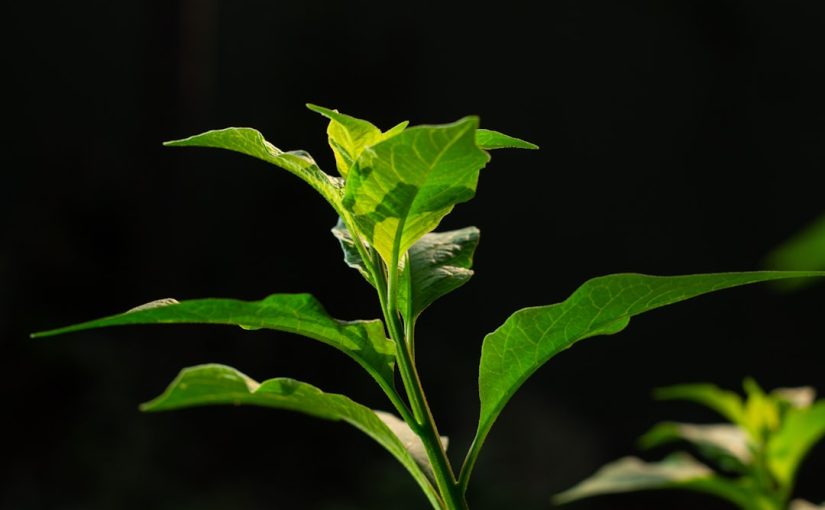
The Red Tip Photinia, Photinia x fraseri, is a beloved shrub, highly valued by homeowners and landscapers for its striking crimson new growth and dense evergreen foliage. It forms an excellent privacy screen or hedge, bringing vibrant color and structure to any garden. However, one common desire among those planting this beautiful shrub is to achieve rapid growth, transforming young plants into a lush, mature screen as quickly as possible. Understanding the specific cultural requirements and growth habits of Red Tip Photinia is key to unlocking its full growth potential. This article will delve into practical, effective strategies to accelerate the development of your Red Tip Photinia, ensuring it thrives and reaches its desired size efficiently.
The foundation for rapid growth: Site selection and soil preparation
Achieving fast, robust growth in Red Tip Photinia begins long before the plant is even in the ground. The initial decisions regarding its planting site and the quality of its soil are paramount. Red Tip Photinia thrives in full sun, meaning it needs at least six hours of direct sunlight daily to produce its best color and maintain vigorous growth. While it can tolerate some partial shade, growth will likely be slower and less dense, and the iconic red tips may be less vibrant.
Equally critical is the soil. These shrubs prefer well draining soil with a slightly acidic to neutral pH, ideally between 6.0 and 7.0. Heavy clay soils that retain too much water can lead to root rot, stunting growth and potentially killing the plant. Conversely, excessively sandy soils may drain too quickly, preventing roots from absorbing adequate moisture and nutrients. To prepare the planting site for optimal growth:
- Dig a hole that is twice as wide as the root ball and just as deep.
- Amend heavy clay soils with a generous amount of organic matter, such as compost, aged manure, or pine bark fines. This improves drainage and aeration.
- For sandy soils, incorporate compost or peat moss to enhance moisture retention and nutrient holding capacity.
- Ensure the top of the root ball is level with or slightly above the surrounding soil surface to prevent waterlogging around the crown.
- Backfill with the amended soil, gently tamping down to remove air pockets, and water thoroughly.
Watering strategies for accelerated development
Once planted, consistent and appropriate watering is arguably the most influential factor in promoting rapid Red Tip Photinia growth, especially during its establishment phase. Young plants require more frequent watering to help their root systems expand and anchor themselves firmly in the soil. The key is to provide deep, infrequent watering rather than shallow, frequent sprinkles.
Deep watering encourages roots to grow deeper into the soil, seeking moisture, which makes the plant more drought tolerant and resilient in the long run. Shallow watering, on the other hand, keeps roots near the surface, making them vulnerable to drying out. Here are guidelines for an effective watering strategy:
- Newly planted photinia: Water every 2-3 days for the first few weeks, gradually reducing frequency as the plant establishes.
- Established photinia: Aim for 1-2 deep waterings per week during dry periods, ensuring the top 6-8 inches of soil are moist.
- Always check the soil moisture before watering. Stick your finger into the soil about 2 inches deep; if it feels dry, it is time to water.
- Avoid overwatering, as this deprives roots of oxygen and can lead to fungal diseases like root rot. Symptoms include yellowing leaves and wilting, paradoxically similar to underwatering.
- Consider using a drip irrigation system or soaker hoses for efficient and deep watering directly to the root zone.
- Apply a 2-3 inch layer of organic mulch around the base of the plant, keeping it a few inches away from the trunk. Mulch helps retain soil moisture, regulate soil temperature, and suppress weeds that compete for nutrients.
Fueling growth: Fertilization and nutrient management
To encourage fast growth, Red Tip Photinia needs a consistent supply of essential nutrients. While good soil preparation provides an initial boost, ongoing fertilization is crucial for sustaining vigorous development. Nitrogen is particularly important for promoting lush, green foliage, which is exactly what you want for a rapidly growing hedge.
Before applying any fertilizer, a soil test can provide valuable insights into nutrient deficiencies or excesses. This helps in selecting the most appropriate fertilizer for your specific soil conditions. In the absence of a soil test, a balanced, slow release granular fertilizer (e.g., 10-10-10 or 12-4-8) or one with a slightly higher nitrogen content (e.g., 15-5-10) is generally suitable for young, actively growing photinia.
| Factor | Optimal Condition for Fast Growth | Impact on Growth Speed |
|---|---|---|
| Sunlight Exposure | Full Sun (6+ hours daily) | High (Vigorous, dense growth) |
| Soil Drainage | Well Draining | High (Prevents root rot, promotes health) |
| Soil pH | Slightly Acidic to Neutral (6.0-7.0) | Moderate (Optimizes nutrient uptake) |
| Watering Consistency | Consistent, Deep Watering | High (Essential for cellular expansion) |
| Fertilization | Balanced, Nitrogen-rich during growth | High (Provides building blocks for growth) |
| Pruning Strategy | Light, shaping prune (not heavy cutting back) | Moderate (Encourages density, directs energy) |
Application tips:
- Apply fertilizer in early spring as new growth emerges and again in late spring or early summer. Avoid fertilizing in late summer or fall, as this can stimulate tender new growth that is vulnerable to winter damage.
- Always follow the manufacturer’s instructions for application rates. Over fertilization can burn roots and be more detrimental than beneficial.
- Granular fertilizers should be spread evenly around the drip line of the plant and watered in thoroughly.
- For organic gardeners, incorporating compost annually or using liquid feeds like fish emulsion or compost tea can provide a steady supply of nutrients and improve soil health.
Strategic pruning and pest management for robust plants
While often associated with shaping, strategic pruning plays a vital role in encouraging faster, healthier growth in Red Tip Photinia. The goal for rapid growth is not to heavily prune back the plant initially, which would remove growth. Instead, focus on light shaping and removal of problematic branches to direct the plant’s energy towards outward and upward expansion.
- Initial shaping: For young plants, a very light trim after the first flush of growth can encourage more branching, leading to a denser plant in the long run. Avoid aggressive pruning that removes a large percentage of the plant’s foliage, as this reduces its ability to photosynthesize and grow quickly.
- Maintenance pruning: Once the desired height is approached, more regular, light pruning can maintain the shape and encourage new flushes of the attractive red growth. This is typically done after the spring flush.
- Removal of dead or diseased branches: Promptly prune out any dead, damaged, or diseased branches. This prevents the spread of disease and ensures the plant’s energy is directed towards healthy growth.
- Thinning for air circulation: Occasionally, selective thinning of interior branches can improve air circulation, which is crucial in preventing common fungal issues like leaf spot, a significant concern for Red Tip Photinia. A healthy, disease-free plant will always grow faster.
Beyond pruning, consistent monitoring for pests and diseases is essential. Red Tip Photinia is generally robust, but it can be susceptible to common garden pests like aphids and scale, and fungal diseases such as leaf spot. Early detection and intervention are key:
- Regularly inspect leaves (especially undersides) and stems for signs of pests or unusual spots.
- For aphids, a strong spray of water or insecticidal soap can be effective.
- Leaf spot, characterized by reddish-brown spots that can enlarge and cause defoliation, is often exacerbated by prolonged leaf wetness and poor air circulation. Implementing proper watering techniques (avoiding overhead irrigation) and improving air flow through selective pruning can help prevent its spread. Fungicides may be necessary in severe cases.
A healthy, stress free plant, free from the burden of fighting off pests or diseases, will naturally dedicate its energy to rapid growth and development.
Cultivating a fast growing Red Tip Photinia hedge involves a holistic approach, combining several critical elements into a comprehensive care routine. From the very beginning, ensuring your plant is sited in full sun with well draining, organically rich soil provides the ideal foundation. This groundwork then needs to be supported by consistent, deep watering, preventing both drought stress and waterlogging that can significantly impede growth. Fueling this growth requires careful attention to nutrition, utilizing balanced or nitrogen rich fertilizers to promote lush foliage development. Finally, strategic, light pruning and diligent pest and disease management complete the cycle, ensuring the plant’s energy is channeled into healthy, vigorous expansion rather than recovery. By meticulously addressing each of these factors, you are not just growing a plant; you are actively optimizing its environment and care to achieve the vibrant, fast growing privacy screen or ornamental hedge you desire with your Red Tip Photinia.
Image by: Tiry Nelson Gono