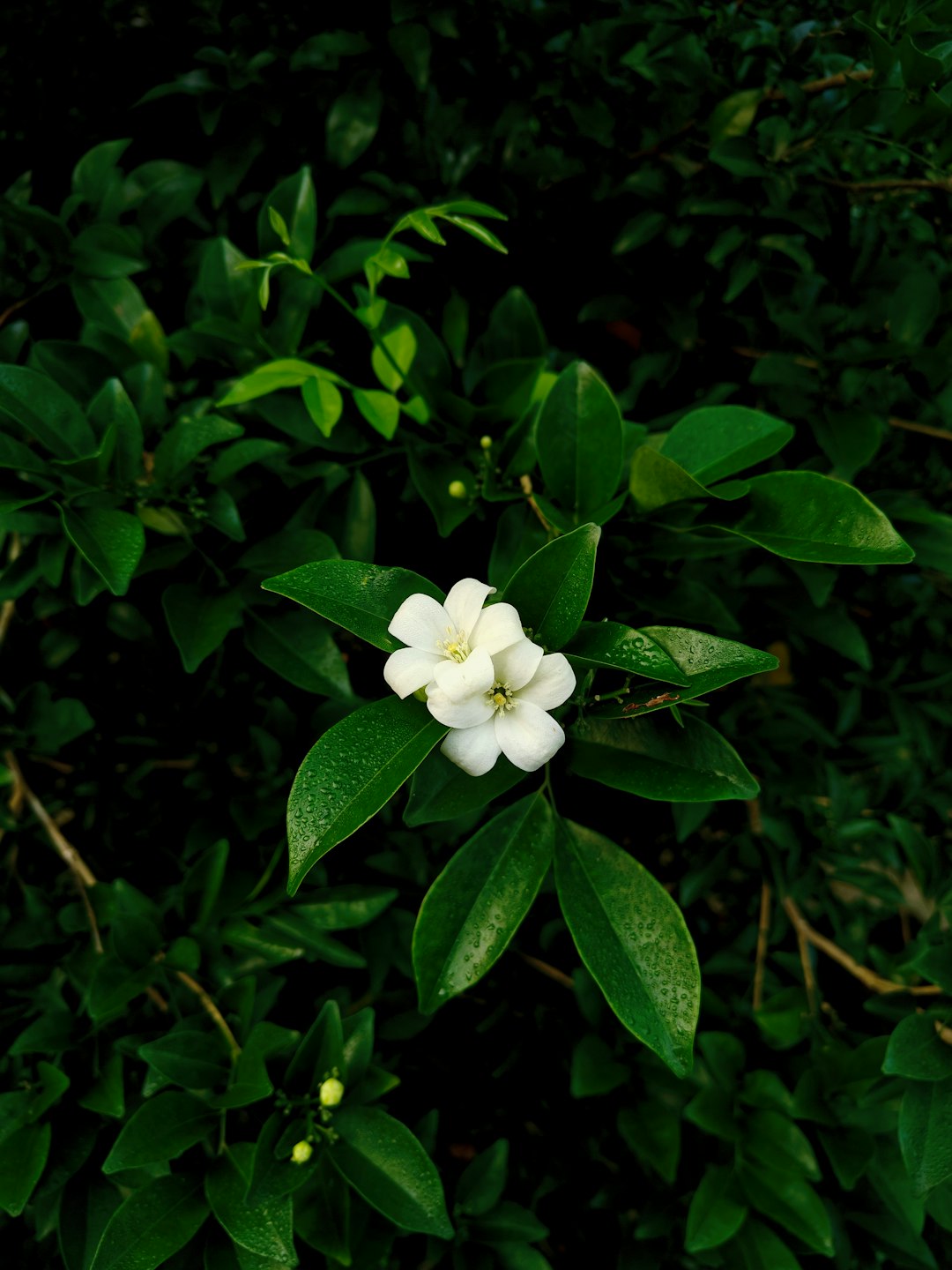
Star jasmine, scientifically known as Trachelospermum jasminoides, is a beloved evergreen vine cherished for its intoxicatingly fragrant, pinwheel-shaped white flowers and glossy, dark green foliage. While often seen adorning trellises and walls in gardens, its versatility extends beautifully to container growing. This method offers unparalleled flexibility, allowing gardeners with limited space to enjoy its beauty on patios, balconies, or even indoors in suitable climates. Cultivating star jasmine in pots means you can easily move it to optimize sun exposure, protect it from harsh weather, and truly appreciate its enchanting aroma up close. Mastering container cultivation opens up a world of possibilities for incorporating this stunning plant into diverse living spaces, bringing a touch of elegance and a sweet perfume wherever it goes.
Choosing the right container and potting mix
The foundation for a thriving container-grown star jasmine begins with selecting the appropriate pot and potting medium. For a young plant, start with a container that is at least 12-16 inches in diameter and depth. As your jasmine matures, it will need repotting into larger containers, incrementally increasing the size every 2-3 years to accommodate its growing root system. Ensure any pot you choose has excellent drainage holes at the bottom, as star jasmine absolutely abhors “wet feet,” which can quickly lead to root rot. Terracotta pots are excellent for promoting aeration and wicking away excess moisture, but they also dry out faster, requiring more frequent watering. Plastic or glazed ceramic pots retain moisture longer, reducing watering frequency, but demand stricter attention to drainage.
Equally critical is the potting mix. Do not use garden soil, which becomes compacted in containers and lacks proper drainage. Instead, opt for a high-quality, well-draining potting mix specifically formulated for container plants. Look for mixes that contain components like perlite, vermiculite, or coarse sand to enhance drainage and aeration. Star jasmine prefers a slightly acidic to neutral soil pH, typically between 6.0 and 7.0. You might consider adding a small amount of compost or aged bark fines to enrich the mix, providing a slow-release source of nutrients and improving soil structure.
Planting and initial care for success
Once you have your container and potting mix ready, the planting process is straightforward. Carefully remove your star jasmine from its nursery pot, being gentle with the root ball. If the roots are tightly coiled (root-bound), gently tease them apart to encourage outward growth. Place a layer of your chosen potting mix at the bottom of the new container, then center the plant so that the top of the root ball is about an inch below the rim of the pot. Fill the remaining space with potting mix, gently firming it around the roots to eliminate air pockets, but avoid compacting it too tightly. Water thoroughly immediately after planting until water drains from the bottom holes.
For optimal growth and flowering, star jasmine requires a location that receives full sun to partial shade. Full sun (at least 6 hours of direct sunlight per day) is ideal for promoting abundant blooms, especially in cooler climates. In hotter regions, particularly those with scorching afternoon sun, partial shade will help protect the foliage from sunburn and stress. Given its vining habit, providing a support structure is crucial from the outset. Install a small trellis, an obelisk, or stakes directly into the pot at planting time. Gently train the young vines onto the support as they grow, loosely tying them with soft ties to encourage upward growth. Consistent moisture is vital during the establishment phase, so check the soil daily and water when the top inch or two feels dry to the touch.
Ongoing maintenance: feeding, watering, and pruning
Maintaining a healthy star jasmine in a container involves a consistent routine of watering, fertilizing, and pruning. Watering frequency will depend on several factors: the size of the plant, the container material, the weather, and the potting mix. During warm months, especially when flowering, your jasmine may need watering daily or every other day. Always check the soil moisture before watering; stick your finger about two inches into the soil. If it feels dry, it’s time to water. Water until you see it draining from the bottom, ensuring the entire root ball is moistened. Reduce watering significantly in cooler months or if the plant is brought indoors for winter.
Fertilization is essential to replenish nutrients depleted from the confined potting mix. Begin feeding in early spring as new growth emerges, and continue monthly through the growing season (spring and summer). Use a balanced liquid fertilizer, such as a 10-10-10 or 14-14-14 formula, diluted to half strength, or opt for a slow-release granular fertilizer applied according to package directions. Avoid fertilizing during fall and winter when the plant is dormant. Pruning is best done immediately after the main flush of flowers in late spring or early summer. This allows the plant to set new growth for the next year’s blooms. Prune to maintain size, shape, and to remove any dead, damaged, or unruly branches. You can also pinch back growing tips to encourage bushier growth and more flowers.
Winter care and troubleshooting common issues
Container-grown star jasmine offers the distinct advantage of mobility, which is particularly beneficial for winter care. If you live in a region where temperatures drop below 20°F (-6°C), you’ll need to provide winter protection. Move your potted jasmine to a sheltered location, such as a garage, sunroom, or indoors near a bright window. Reduce watering frequency significantly during winter dormancy, allowing the top several inches of soil to dry out between waterings. Protect the roots from extreme cold by insulating the pot with burlap, bubble wrap, or by placing it inside a larger pot with shredded leaves or straw for added insulation if leaving it outdoors in mild winter areas.
Troubleshooting common issues can keep your star jasmine vibrant. Yellowing leaves often indicate overwatering, nutrient deficiency (especially iron or magnesium), or sometimes under-watering. Check your watering schedule and ensure good drainage. If watering is correct, consider a balanced fertilizer or a specific micronutrient supplement. Lack of blooms can stem from insufficient sunlight, pruning at the wrong time (pruning in fall/winter removes flower buds), or inadequate fertilization. Ensure the plant gets enough light and adjust your pruning schedule. Pests like spider mites, aphids, or mealybugs can occasionally bother star jasmine. Inspect regularly and treat promptly with horticultural oil or insecticidal soap. Repotting is generally needed every 2-3 years to refresh the soil and provide more room for roots, typically done in early spring before new growth begins.
| Season | Watering frequency | Fertilization | Pruning |
|---|---|---|---|
| Spring | Moderate to frequent (as topsoil dries) | Monthly with balanced liquid feed | Light shaping, after flowering |
| Summer | Frequent (daily in hot weather) | Monthly with balanced liquid feed | Minor touch-ups, deadheading |
| Fall | Reduced (as top 2-3 inches dry) | Discontinue | Structural pruning if needed (before cold) |
| Winter | Infrequent (soil almost dry) | None | None, protect from cold |
Growing star jasmine in containers is a profoundly rewarding experience, transforming patios and balconies into fragrant havens. By carefully selecting the right container and potting mix, providing adequate light and support, and maintaining a consistent care routine, you can ensure your plant thrives for many years. Remember, the key to success lies in understanding its fundamental needs: excellent drainage, consistent moisture without waterlogging, plenty of sunlight, and regular feeding during the active growing season. Don’t be afraid to prune to maintain its shape and promote vigorous flowering, and always be mindful of its winter protection needs if you live in a colder climate. With these practical tips, you’re well-equipped to cultivate a stunning and sweetly scented star jasmine, enjoying its evergreen beauty and captivating fragrance right at your doorstep.
Image by: The DK Photography