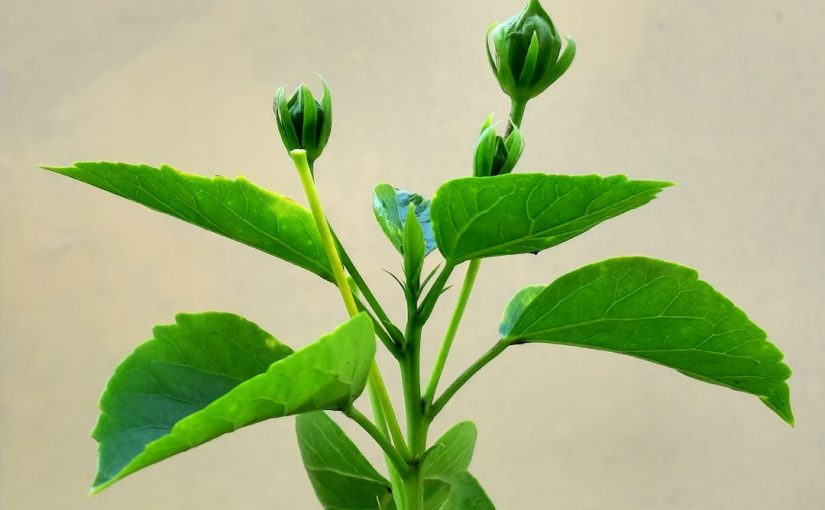
Imagine enjoying fresh, vibrant zucchini straight from your garden, even if you lack fertile soil or ample outdoor space. Growing zucchini hydroponically transforms this vision into a tangible reality, offering an efficient and incredibly rewarding cultivation experience. This soilless method not only accelerates growth and often leads to higher yields but also significantly reduces common garden challenges like soil-borne pests and diseases. By providing precise control over nutrients and environmental conditions, hydroponics empowers you to cultivate robust, healthy zucchini plants year-round. This comprehensive guide will walk you through every essential step, from selecting the right system and nurturing your plants to harvesting abundant crops, ensuring your journey into hydroponic zucchini cultivation is successful and satisfying.
Choosing your hydroponic system and zucchini varieties
The foundation of a successful hydroponic zucchini garden begins with selecting the appropriate system and zucchini varieties tailored for soilless cultivation. Your choice of system will largely dictate the initial setup and ongoing maintenance, so it is crucial to understand the options available.
- Deep water culture (DWC): This is one of the simplest and most popular methods for beginners. Plants are suspended with their roots immersed in a nutrient-rich water solution, which is constantly aerated by an air pump and air stone. DWC is excellent for zucchini due to its robust root system, allowing direct access to nutrients and oxygen.
- Nutrient film technique (NFT): In an NFT system, plants sit in channels through which a thin film of nutrient solution flows continuously, providing moisture and nutrients while leaving much of the root system exposed to air. While highly efficient, NFT can be more susceptible to power outages than DWC and requires careful balancing of the nutrient film for larger plants like zucchini.
- Drip systems: These systems deliver nutrient solution directly to the base of each plant through small drippers, often utilizing an inert growing medium like coco coir or rockwool. Drip systems are highly versatile and scalable, making them suitable for both small home setups and larger operations. They allow for precise control over nutrient delivery.
- Wick systems: A passive system where a wick draws nutrient solution from a reservoir up to the growing medium. While low maintenance, wick systems are generally less suitable for heavy feeders like zucchini, as they may not consistently deliver enough nutrients and water to support vigorous growth and fruit production.
Once you have chosen your system, selecting the right zucchini variety is equally important. Opt for bush varieties over vining types, as they are more compact and manageable in a hydroponic setup. Varieties known for good yield and disease resistance are ideal.
- ‘Raven’: A popular bush variety known for its dark green, glossy fruits and high yield. It is compact and well-suited for confined spaces.
- ‘Partenon’: This is a parthenocarpic variety, meaning it produces fruit without the need for pollination. This is a significant advantage in indoor hydroponic environments where natural pollinators are absent, simplifying the growing process.
- ‘Black beauty’: Another classic bush type that is widely grown, offering reliable production of dark green, straight fruits. Its compact nature makes it a good candidate for hydroponics.
- ‘Eight ball’: A unique, round zucchini variety that is also a bush type. It adds variety to your harvest and is quite productive in hydroponic systems.
Setting up your hydroponic zucchini garden
With your system and varieties chosen, the next critical step is to meticulously set up your hydroponic zucchini garden. Proper environmental controls, growing media, and nutrient solutions are paramount for plant health and productivity.
The right growing medium
In soilless cultivation, the growing medium provides support for the roots and helps retain moisture and nutrients. Common choices for zucchini include:
- Coco coir: A popular and sustainable choice, coco coir offers excellent aeration and water retention. It buffers pH well and is easy to work with.
- Rockwool: Sterilized and inert, rockwool cubes or slabs are ideal for starting seeds and can be easily integrated into various hydroponic systems. It provides good root support and moisture.
- Perlite: Often mixed with coco coir or used in drip systems, perlite provides superior aeration and drainage, preventing root compaction.
- Hydroton (clay pebbles): Lightweight, reusable, and pH-neutral, hydroton pebbles offer excellent drainage and aeration, making them a good choice for DWC and drip systems.
Nutrient solution essentials
Hydroponic plants derive all their essential nutrients directly from the water solution. A high-quality, balanced hydroponic nutrient formula is vital. Look for a two-part or three-part solution designed for fruiting plants, which will provide the macro and micronutrients zucchini needs throughout its life cycle. Monitoring and adjusting the pH and electrical conductivity (EC) or parts per million (PPM) of your nutrient solution are non-negotiable for optimal nutrient uptake.
| Parameter | Range |
|---|---|
| pH | 5.5 – 6.5 |
| EC (Electrical Conductivity) | 2.0 – 3.0 mS/cm |
| PPM (Parts Per Million) | 1000 – 1500 |
Maintain the pH within the specified range to ensure nutrients are available to the plant. EC/PPM indicates the concentration of dissolved nutrient salts; keep it within the recommended range for vigorous growth without nutrient burn or deficiency.
Environmental controls
Optimizing the environment is key to a thriving hydroponic zucchini plant.
- Lighting: Zucchini are sun-loving plants, requiring intense light for robust growth and fruit production. Full-spectrum LED grow lights are ideal, providing 12-16 hours of light per day. Ensure adequate light intensity (measured in DLI – daily light integral) to support heavy fruiting.
- Temperature: Maintain daytime temperatures between 70-85°F (21-29°C) and nighttime temperatures between 60-70°F (15-21°C). Consistent temperatures prevent stress and promote steady growth.
- Humidity: Aim for a relative humidity of 60-70% during the vegetative stage, dropping to 50-60% during flowering and fruiting to prevent fungal issues and promote good fruit set. Good air circulation with oscillating fans is crucial to prevent stagnant air and reduce humidity build-up around the foliage.
Nurturing your zucchini plants from seed to flower
Once your hydroponic system is set up, the continuous care and nurturing of your zucchini plants are what will ultimately lead to a bountiful harvest. This involves careful management of nutrients, strategic pruning, and ensuring successful pollination.
Germination and transplanting
Begin by germinating your zucchini seeds in an inert medium like rockwool cubes or coco coir plugs. Plant seeds about half an inch deep. Keep the medium consistently moist and warm, ideally around 75-80°F (24-27°C). Zucchini seeds typically germinate within 5-10 days. Once the seedlings have developed their first set of true leaves (the second set of leaves after the initial cotyledons), they are ready to be carefully transplanted into your chosen hydroponic system. Ensure the roots are gently guided into the nutrient solution without causing damage.
Nutrient management and water changes
Consistent monitoring of your nutrient solution is paramount. Check the pH daily and the EC/PPM weekly, adjusting as necessary to maintain the optimal ranges discussed previously. As plants grow and consume nutrients, the EC will decrease, and the pH can fluctuate. Top off your reservoir with pH-adjusted water or a diluted nutrient solution to maintain levels between full reservoir changes. It is crucial to perform a complete reservoir change every 1-2 weeks. This prevents nutrient imbalances, build-up of unused salts, and the depletion of specific micronutrients, ensuring your plants always have access to a fresh, balanced food supply.
Pruning and pollination
Zucchini plants, especially bush varieties, can become quite dense. Regular pruning is essential to improve air circulation, prevent disease, and direct the plant’s energy towards fruit production rather than excessive foliage. Remove any yellowing, diseased, or damaged leaves. You may also selectively remove some of the older, larger fan leaves that are shading lower parts of the plant, as well as any suckers (small shoots growing from the main stem at the leaf axils). For hydroponic zucchini grown indoors or in enclosed systems, hand pollination is almost always necessary, as there are no natural pollinators like bees. Zucchini plants produce both male and female flowers.
- Male flowers: Characterized by a long, slender stem and a stamen covered in pollen.
- Female flowers: Have a small, immature zucchini fruit swelling at their base, behind the petals.
To hand pollinate, gently pick a fresh male flower, remove its petals, and rub the pollen-laden stamen onto the stigma (the sticky center) of a female flower. Alternatively, use a small, soft paintbrush or cotton swab to transfer pollen. Perform this daily during flowering, preferably in the morning when pollen is most viable.
Harvesting your hydroponic zucchini and troubleshooting
The culmination of your efforts in growing zucchini hydroponically is the harvest, but even after successful cultivation, a few common issues can arise. Knowing when and how to harvest, along with effective troubleshooting, ensures you maximize your yield and minimize plant stress.
When and how to harvest
Hydroponic zucchini typically matures faster than its soil-grown counterparts, often ready for harvest within 40-60 days from planting. The key to delicious zucchini is to harvest young and frequently. Ideal size is generally between 6 to 8 inches long, when the skin is still tender and glossy. Overripe zucchini becomes large, seedy, and tough, losing much of its desirable flavor and texture. During peak growing season, you may find yourself harvesting daily or every other day, as zucchini plants are incredibly prolific once they start producing. Use a sharp knife or pruning shears to cut the stem about an inch from the fruit, taking care not to damage the plant. Regular harvesting also encourages the plant to produce more flowers and fruits.
Common hydroponic zucchini issues
Even with optimal care, issues can emerge. Early identification and intervention are crucial.
- Nutrient deficiencies or excesses:
- Symptoms: Yellowing leaves, stunted growth, leaf discoloration, or brown leaf tips.
- Solution: Regularly monitor your pH and EC/PPM levels. Yellowing of older leaves often indicates nitrogen deficiency, while yellowing of new leaves could be an iron or sulfur deficiency. Brown leaf tips (nutrient burn) suggest EC is too high. Adjust your nutrient solution accordingly and perform full reservoir changes regularly.
- Root rot:
- Symptoms: Roots turn brown and mushy, plant wilts, and growth stops. Often accompanied by a foul odor from the reservoir.
- Solution: Caused by lack of oxygen in the root zone or high water temperatures. Ensure your air pump and air stone are functioning correctly to provide adequate dissolved oxygen. Keep reservoir water temperatures below 72°F (22°C). Consider adding beneficial microbes to the reservoir to combat harmful pathogens.
- Powdery mildew:
- Symptoms: White, powdery spots appear on leaves and stems.
- Solution: A common fungal disease exacerbated by poor air circulation and high humidity. Increase air circulation with fans and reduce humidity. You can treat affected leaves with a diluted solution of neem oil or an organic fungicide specifically safe for edibles.
- Poor pollination:
- Symptoms: Female flowers drop off prematurely, or fruits shrivel and rot at the blossom end without developing.
- Solution: As discussed, hand pollination is critical for zucchini in hydroponic setups. Ensure you are consistently transferring pollen from male to female flowers, especially in the mornings. If using ‘Partenon’ or similar parthenocarpic varieties, this issue is greatly reduced.
By staying vigilant and addressing these common issues promptly, you can ensure your hydroponic zucchini plants remain healthy and productive, providing you with a continuous supply of fresh, homegrown produce.
Conclusion
Embarking on the journey of growing zucchini hydroponically opens up a world of fresh, homegrown produce, irrespective of traditional gardening constraints. We have explored the fundamental steps, from selecting the ideal hydroponic system and zucchini varieties to meticulously setting up your garden with the right growing media, precise nutrient solutions, and controlled environmental conditions. Understanding the nuances of germination, diligent nutrient management, essential pruning, and the critical role of hand pollination were highlighted as key to nurturing your plants. Finally, mastering the art of harvesting at peak ripeness and effectively troubleshooting common hydroponic challenges ensures a continuous, high-yield production. This innovative gardening method offers distinct advantages, including accelerated growth, significantly higher yields, reduced pest and disease pressure, and remarkable water efficiency. Embracing hydroponic zucchini cultivation provides not just a crop, but a rewarding experience of sustainability and self-sufficiency, bringing the freshest ingredients directly to your kitchen. So, take the plunge and enjoy the abundant rewards of your hydroponic efforts!
Image by: The DK Photography