An unsightly electrical post or utility box can be a real eyesore, disrupting the tranquility and aesthetic appeal of an otherwise beautiful backyard landscape. Far too often, these essential but utilitarian structures become the focal point we wish they weren’t, detracting from our outdoor living spaces and diminishing our home’s curb appeal. The good news is that with a bit of creativity, strategic planning, and a strong emphasis on safety, you don’t have to live with these visual intrusions. This article will guide you through practical, aesthetically pleasing, and safe methods to effectively hide or seamlessly integrate electrical posts and utility boxes into your backyard design, transforming a potential nuisance into a harmonious element of your outdoor sanctuary.
Strategic planting and natural screening
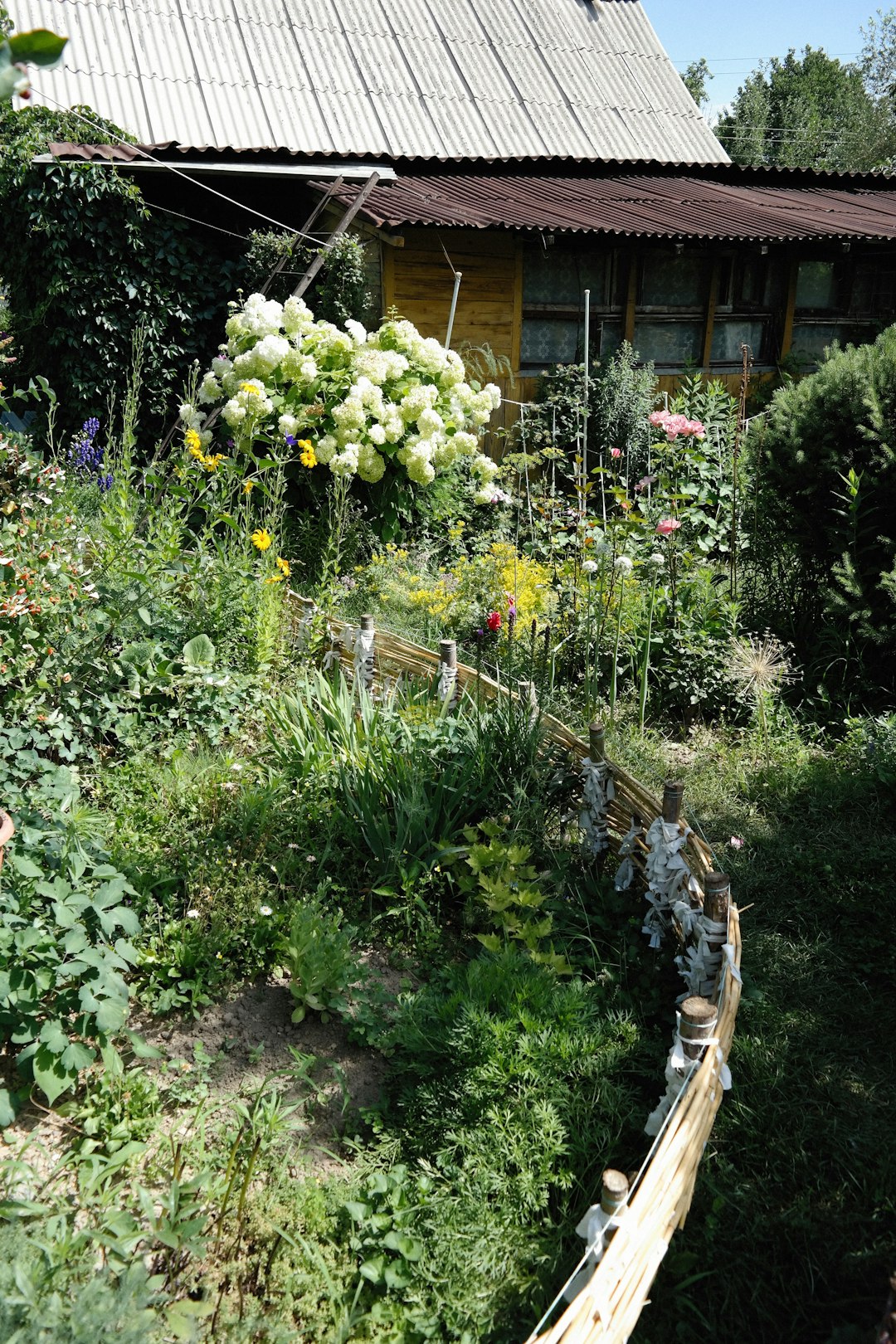
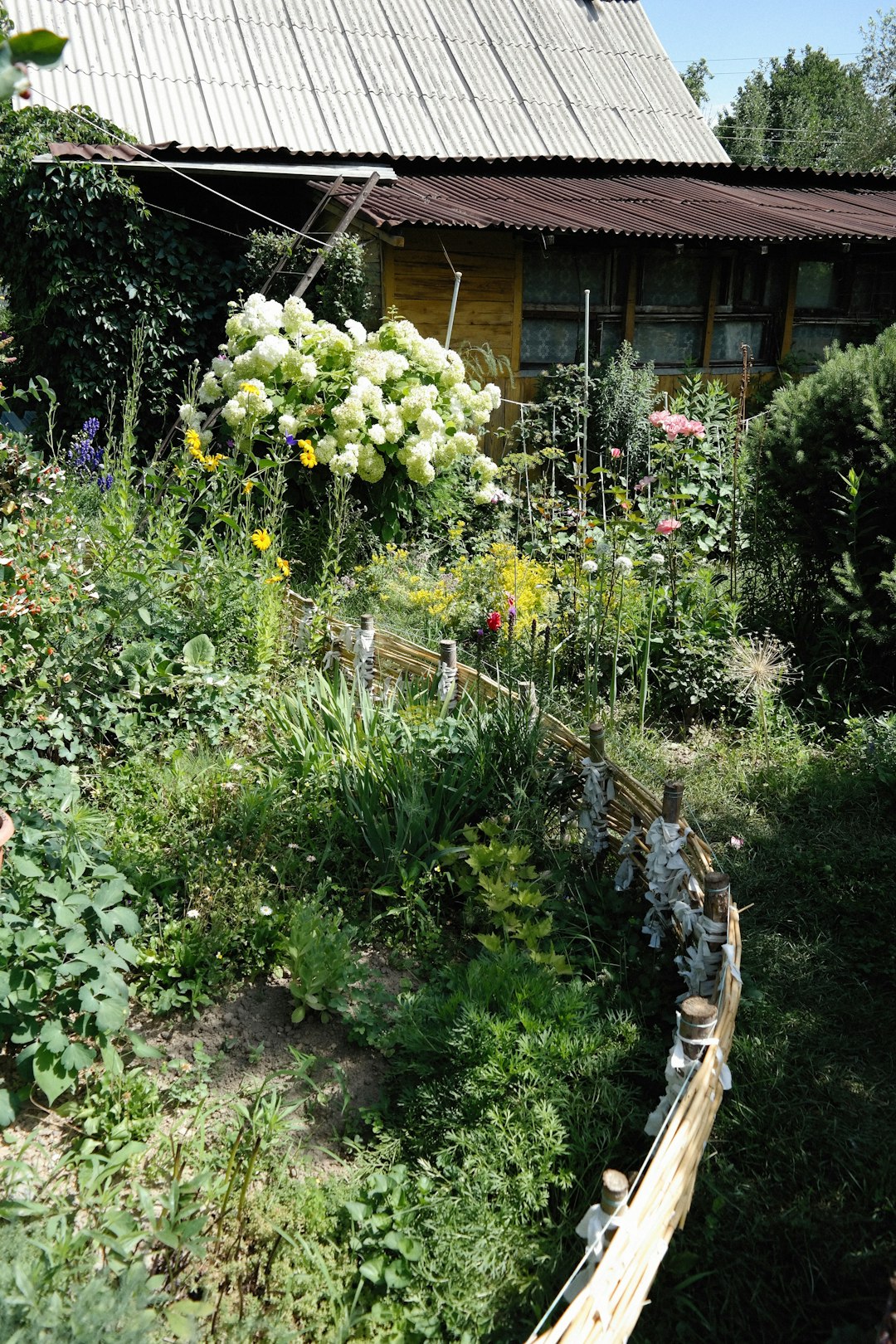
One of the most effective and organic ways to conceal an electrical post or utility box is through strategic planting. The key here is not just to throw some shrubs around it, but to carefully select plants that will grow to an appropriate size and density without interfering with the equipment or utility access. Tall, dense evergreens such as arborvitae, various types of cypress, or holly can provide year-round screening. For a less formal look, consider large ornamental grasses like ‘Karl Foerster’ feather reed grass or pampas grass (where non-invasive) that offer height and texture. Deciduous shrubs like hydrangeas or lilac can also work, though they will lose their leaves in winter, revealing the post.
When choosing plants, consider their mature size and root system. Avoid plants with aggressive roots that could damage underground lines or the utility box’s foundation. Always plant at a safe distance to allow for utility access and to prevent branches from growing into electrical wires. A general rule of thumb is to maintain at least 3-5 feet of clearance from the equipment itself, but always consult with your utility company for specific guidelines. Climbing vines, while appealing, should be used with caution; they can be trained on a separate trellis *behind* the post, rather than directly on the post or box itself, to avoid damage or interference. Raised garden beds built around (but not directly touching) the base of a post can also elevate smaller plants to create a more effective screen.
Creative enclosures and structural solutions
Beyond natural foliage, various structural enclosures offer robust and aesthetically pleasing solutions for hiding electrical posts and boxes. Custom-built screens made from wood lattice, composite materials, or even decorative metal panels can effectively block the view while adding architectural interest. These screens should be designed to be easily removable or to have hinged sections to allow utility workers unhindered access for maintenance and emergencies. Consider matching the material and style of your existing fence, deck, or home exterior for a cohesive look.
Another option is to integrate the post into a larger landscape feature. A small pergola or arbor can be designed to encompass the post, making it appear as a structural component rather than an isolated eyesore. This approach often works well with utility boxes that are lower to the ground. For larger installations, a small, decorative storage shed or a custom-built utility cabinet can conceal the equipment while also providing extra storage space for garden tools, though ventilation and access remain critical considerations. Remember, any structure must allow adequate airflow around the electrical components, especially transformers, to prevent overheating.
Artistic integration and camouflage techniques
Sometimes, outright concealment isn’t the only answer; artistic integration can transform an undesirable element into an interesting part of your landscape. For utility boxes, a fresh coat of paint in a color that blends with its surroundings (e.g., a muted green to match foliage, or a neutral tone to match a fence) can significantly reduce its visual impact. Some creative homeowners even commission local artists to paint murals directly onto utility boxes, turning them into unique outdoor art pieces. This approach can be particularly effective in urban or eclectic garden designs, but always ensure the paint used is appropriate for outdoor conditions and does not interfere with the box’s functionality or ventilation.
For posts, consider turning them into a base for a decorative element. While *never* attaching anything directly to the utility company’s equipment without permission, you can create a surrounding structure that holds items like a bird feeder pole, a decorative thermometer, or a creative lighting fixture. The goal is to draw the eye away from the post itself and towards something more appealing. Surrounding the base with a small, decorative rock garden or a collection of potted plants can also soften its appearance and integrate it into the surrounding landscape, shifting focus from the utilitarian structure to the decorative elements around it.
Safety first: critical considerations and utility guidelines
Regardless of the method chosen, safety must always be the paramount concern when dealing with electrical posts and utility boxes. Before undertaking any digging, planting, or construction near these installations, always call 811 to have underground utilities marked. This simple step can prevent serious injury and costly damage. Crucially, consult with your local utility company. They can provide specific guidelines regarding safe clearance distances for vegetation and structures, as well as rules about what can and cannot be done around their equipment. Ignorance of these rules can lead to fines, service interruptions, or, most importantly, dangerous electrical hazards.
Utility companies require unobstructed access to their equipment for maintenance, repairs, and emergencies. Any enclosure or planting scheme must allow for easy access. Never directly attach anything to the utility company’s pole, wires, or box. Maintaining proper ventilation around transformers and other electrical components is also vital to prevent overheating and ensure their safe operation. Failure to observe these safety measures not only poses a risk to your household but can also impede utility workers from performing their jobs safely and efficiently. Always prioritize safety over aesthetics.
Below is a general guide for clearances, but always confirm with your local utility provider:
| Element | Recommended Clearance (from electrical equipment) | Notes |
|---|---|---|
| Large Trees | 10-20 feet | Avoid planting directly under power lines; consider mature height and canopy spread. |
| Shrubs & Hedges | 3-5 feet | Allows for utility access and prevents contact with equipment. |
| Structures (fences, sheds, enclosures) | 3-5 feet | Must allow full, unobstructed access for utility personnel. |
| Digging Depth | Minimum 18-36 inches (varies) | Always call 811 before digging to locate underground lines. |
Concealing electrical posts and utility boxes in your backyard landscape is a task that combines aesthetic aspiration with practical necessity and, most importantly, safety. We’ve explored diverse approaches, from the living screens of strategic planting and climbing vines to the deliberate concealment offered by custom enclosures and structural integration. We’ve also considered how artistic touches can transform these eyesores into intriguing elements, making them blend seamlessly rather than standing out. The overarching theme throughout these solutions is the importance of thoughtful design that enhances your outdoor space without compromising functionality or safety. By following these guidelines, you can effectively camouflage these essential utilities, ensuring an uninterrupted flow of beauty and enjoyment in your backyard.
Ultimately, a successful outcome hinges on proactive planning and strict adherence to safety protocols. Consulting with your local utility company is not merely a suggestion but a critical first step for any project involving their equipment. By prioritizing safety and access, you not only protect yourself and utility workers but also guarantee the longevity and effectiveness of your chosen concealment method. With a little effort and attention to detail, that once-obtrusive electrical post or box will fade into the background, allowing the true beauty of your meticulously designed backyard to shine.