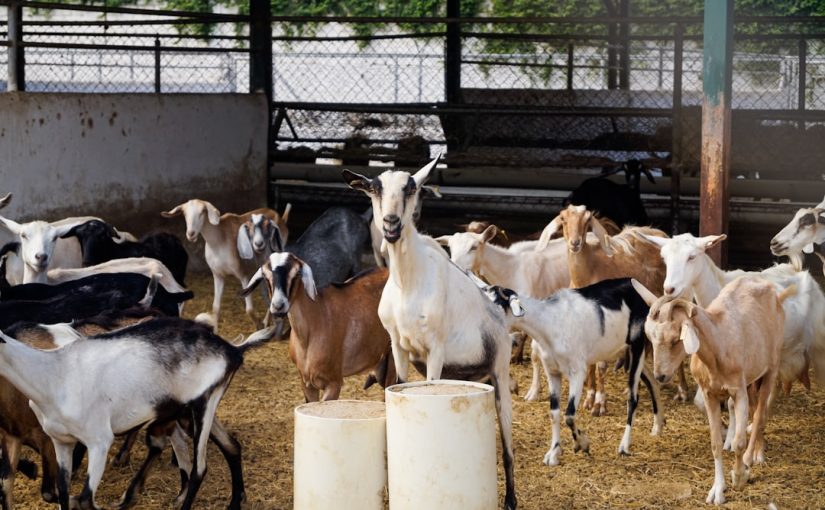
Having goats can be an incredibly rewarding experience, offering companionship, natural weed control, and even fresh dairy products. However, anyone familiar with these intelligent, curious, and notoriously mischievous creatures knows their insatiable appetite can quickly turn beloved shrubs and carefully cultivated fruit vines into bare sticks. Their browsing habits, while natural, pose a significant challenge for homesteaders and gardeners aiming to protect their valuable landscaping and future harvests. This article delves into comprehensive strategies designed to keep your goats content and your greenery flourishing. We’ll explore effective fencing solutions, the power of providing appealing alternative forage, the deployment of physical barriers, and the importance of understanding goat behavior, ensuring a harmonious coexistence between your spirited livestock and your prized plant life.
Implementing secure fencing strategies
The cornerstone of protecting your plants from goats is an robust and well-maintained fencing system. Goats are adept at testing boundaries – they will push, climb, and squeeze through any perceived weakness. Therefore, investing in the right type of fence and installing it correctly is paramount.
For most situations, a combination of physical and deterrent fencing proves most effective. Woven wire fencing, specifically a “goat and sheep” or “hog wire” variety with smaller openings (e.g., 4×4 inches or 2×4 inches), prevents goats from pushing their heads through and getting stuck, or simply walking through. This type should be at least 48 inches high, though 60 inches is often recommended for more agile breeds or determined jumpers. It needs to be pulled taut and securely fastened to sturdy posts set at appropriate intervals, typically every 8-12 feet, with brace posts at corners and long runs.
An even more effective solution, especially for larger areas or particularly persistent goats, is incorporating electric fencing. This can be used as a primary barrier or as an offset wire on the inside of woven wire to deter leaning and rubbing. High-tensile electric fencing, consisting of multiple strands of smooth wire (typically 5-7 strands) charged by a powerful energizer, is highly effective. The lowest wire should be no more than 6-8 inches off the ground to prevent them from crawling under, with subsequent wires spaced progressively wider as they go up, reaching a height of at least 42-48 inches. Electric netting offers a portable and quick-to-install option, ideal for rotational grazing or temporarily fencing off specific areas. Ensure your energizer is adequately powerful for the length of your fence and that you have a good grounding system.
Here’s a comparative look at common goat fencing options:
| Fencing Type | Initial Cost | Installation Difficulty | Effectiveness Against Goats | Maintenance Requirements |
|---|---|---|---|---|
| Woven Wire (48-60″ high) | Medium-High | Medium | Good (if properly installed and taut) | Moderate (checking for sag, repairs) |
| High-Tensile Electric (5-7 strands) | Medium | High (requires specific tools, expertise) | Excellent (psychological barrier) | Moderate (voltage checks, vegetation clearing) |
| Electric Netting (portable) | Medium | Low-Medium | Very Good (for temporary, rotation) | Moderate (moving, battery charging, vegetation) |
| Solid Panel/Board Fence | High | Medium-High | Good (if tall and no gaps) | High (painting, board replacement) |
Regardless of the type, remember that goats learn quickly. A single successful breach can teach them habits that are hard to break. Therefore, vigilance in maintaining your fence – checking for fallen branches, loose wires, or areas where the ground has eroded – is crucial.
Offering enticing alternative browse and forage
One of the most effective strategies to protect your cherished plants is to simply give your goats something more appealing to eat elsewhere. Goats are natural browsers, meaning they prefer to eat leaves, twigs, and bark from shrubs and trees rather than solely grazing pasture grass like sheep or cattle. Understanding this natural inclination is key to redirecting their attention.
Designate specific “sacrifice” areas where goats are encouraged to browse. This could be a wooded section of your property containing safe, goat-friendly brush, or an area where you actively plant fast-growing, palatable trees and shrubs. Excellent options for goat browse include multi-stemmed willows, mulberries, honeysuckle (non-invasive varieties), sumac, and even certain types of bamboo. Planting a dedicated browse hedge can serve as a natural fence line or a tasty diversion.
Beyond live browse, always ensure a consistent supply of high-quality hay. Alfalfa hay, with its higher protein content, is often a favorite. Providing hay in feeders that prevent waste, especially during times when natural forage is scarce, can significantly reduce their inclination to explore off-limits areas. Consider offering various types of hay, such as timothy or orchard grass, to add variety to their diet.
Strategic pasture management also plays a role. If you have pastures, implement a rotational grazing system. Moving goats to fresh pasture regularly not only provides them with new, interesting forage but also allows previously grazed areas (including those bordering sensitive plants) time to recover and regrow. This keeps them engaged and reduces the likelihood of them seeking out prohibited snacks due to boredom or lack of available food.
Lastly, ensure your goats have access to appropriate mineral supplements. Goats have specific mineral requirements, and sometimes an unusual craving for a particular plant can stem from a dietary deficiency. A loose mineral mix formulated for goats, available free-choice, can help satisfy these needs and potentially reduce their urge to sample your ornamentals.
Erecting physical and sensory plant barriers
Sometimes, even with robust fencing and ample alternative forage, certain particularly vulnerable plants or young saplings require an extra layer of direct protection. This is where individual physical and sensory barriers come into play, creating an immediate deterrent right at the plant itself.
For individual trees, especially young fruit trees, tree guards are indispensable. These can be made from sturdy wire mesh, hardware cloth, or even repurposed sturdy plastic. The key is to ensure the guard is tall enough to prevent goats from reaching over or climbing it, typically 4-5 feet high, and wide enough to allow for future trunk growth. Anchor these guards securely into the ground so they cannot be pushed over or moved. For grapevines or other vining fruits, individual cages or trellises reinforced with wire mesh can protect the lower sections and developing fruit.
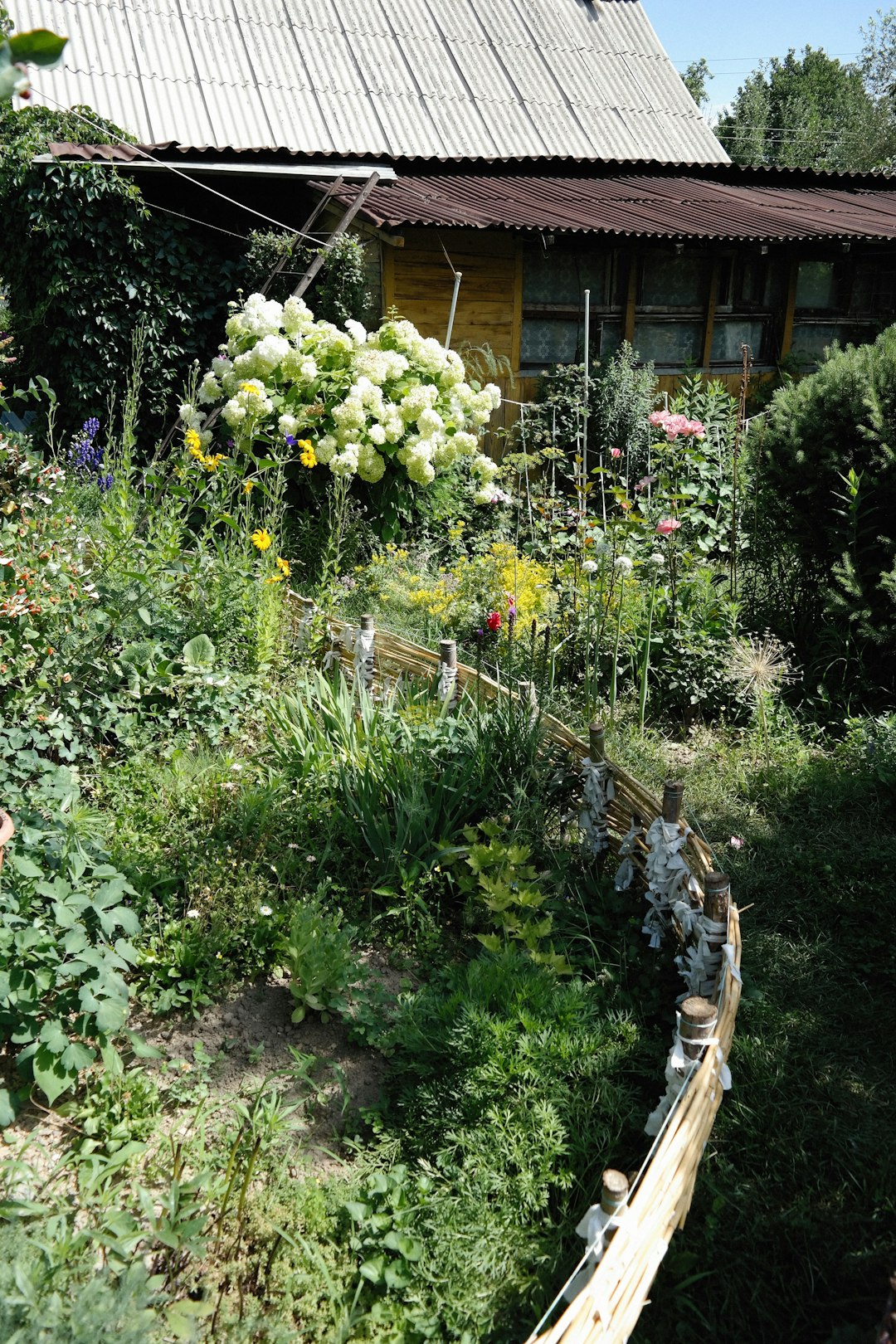
Consider using raised beds for vulnerable shrubs or garden plants. While goats are agile, a sufficiently high raised bed (e.g., 2-3 feet tall) can make it significantly more difficult for them to reach over and browse. Combine this with a small, aesthetic fence around the perimeter of the raised bed for added security.
Natural plant deterrents can also be integrated, though with caution. Planting thorny or spiny shrubs and bushes around the perimeter of a sensitive area can discourage goats. Examples include roses (though goats may still eat the leaves), barberry, or holly. However, ensure these plants are not toxic to goats, and recognize that a truly determined goat might still attempt to browse them if nothing else is available. This method is generally more effective as a secondary barrier rather than a primary defense.
Finally, repellents can offer temporary solutions for particularly tempting plants. These often work by taste or smell. Homemade options might include garlic spray, strong pepper solutions (capsaicin), or diluted hot sauce, reapplied after rain. Commercial repellents designed for deer or rabbits can also be effective against goats. However, their efficacy is often short-lived, requiring frequent reapplication, especially after rain or heavy dew, and goats can become accustomed to them over time. Use repellents as a temporary measure while more permanent solutions are being implemented.
Understanding goat behavior and managed grazing
Effective goat management isn’t just about physical barriers; it also involves understanding their natural behaviors and implementing managed grazing practices. Goats are intelligent, social, and inherently curious animals. By anticipating their actions and providing structured alternatives, you can significantly reduce their destructive potential.
Establishing a predictable routine is crucial. Regular feeding times for hay or grain can help satisfy their hunger and reduce their impulse to wander off in search of browse. A well-fed goat is less likely to raid your garden. When introducing new goats or integrating them into a herd, observe their individual personalities. Some goats are naturally more adventurous and will require closer supervision or more robust containment measures.
Supervised grazing is another valuable tool. If you have areas with desirable shrubs or young fruit trees that are not permanently fenced off, consider allowing your goats to graze under direct supervision. This allows you to redirect them away from prohibited plants immediately. This method requires a significant time commitment but can be effective for small herds or specific tasks like clearing brush in a non-sensitive area. Training your goats to lead on a halter and leash can make supervised grazing much easier, allowing you to guide them precisely where you want them to go and, more importantly, where you don’t want them to go.
Goats are also creatures of habit. Once they discover a tasty shrub or vine, they will likely return to it repeatedly. Therefore, prevention is always better than cure. If you notice a goat showing interest in an off-limits plant, act immediately to deter them. A loud “NO!” or a quick chase can be enough to break the habit before it becomes ingrained. Consistency is key; all members of the household should enforce the same rules.
Finally, understand that goats thrive on variety and mental stimulation. A bored goat is often a destructive goat. Providing enrichment, such as climbing structures, large sturdy branches to chew on, or even simple toys, can keep them occupied and less inclined to seek entertainment in your landscaping. A balanced approach that combines robust physical defenses with an understanding of goat psychology will yield the most successful results in protecting your precious plants.
Keeping goats from eating your shrubs and fruit vines is a common challenge for many homesteaders, but it is by no means an insurmountable one. As we’ve explored, success hinges on a multi-faceted approach, combining strategic infrastructure with an understanding of goat behavior. Implementing secure and tall fencing, whether through robust woven wire, psychological electric barriers, or a combination, forms the bedrock of protection. Supplementing this with an abundance of appealing alternative forage, such as dedicated browse areas and consistent hay, redirects their natural browsing instincts away from your prized plants. Furthermore, individual physical barriers like tree guards and raised beds offer direct protection for particularly vulnerable specimens, while sensory deterrents can provide temporary relief. Ultimately, a deep understanding of goat psychology, coupled with consistent management and enrichment, will foster a harmonious environment where both your spirited herd and your flourishing garden can thrive. With patience, consistency, and the right strategies, you can enjoy the many benefits of goat ownership without sacrificing your landscape.
Image by: Jorge Salvador