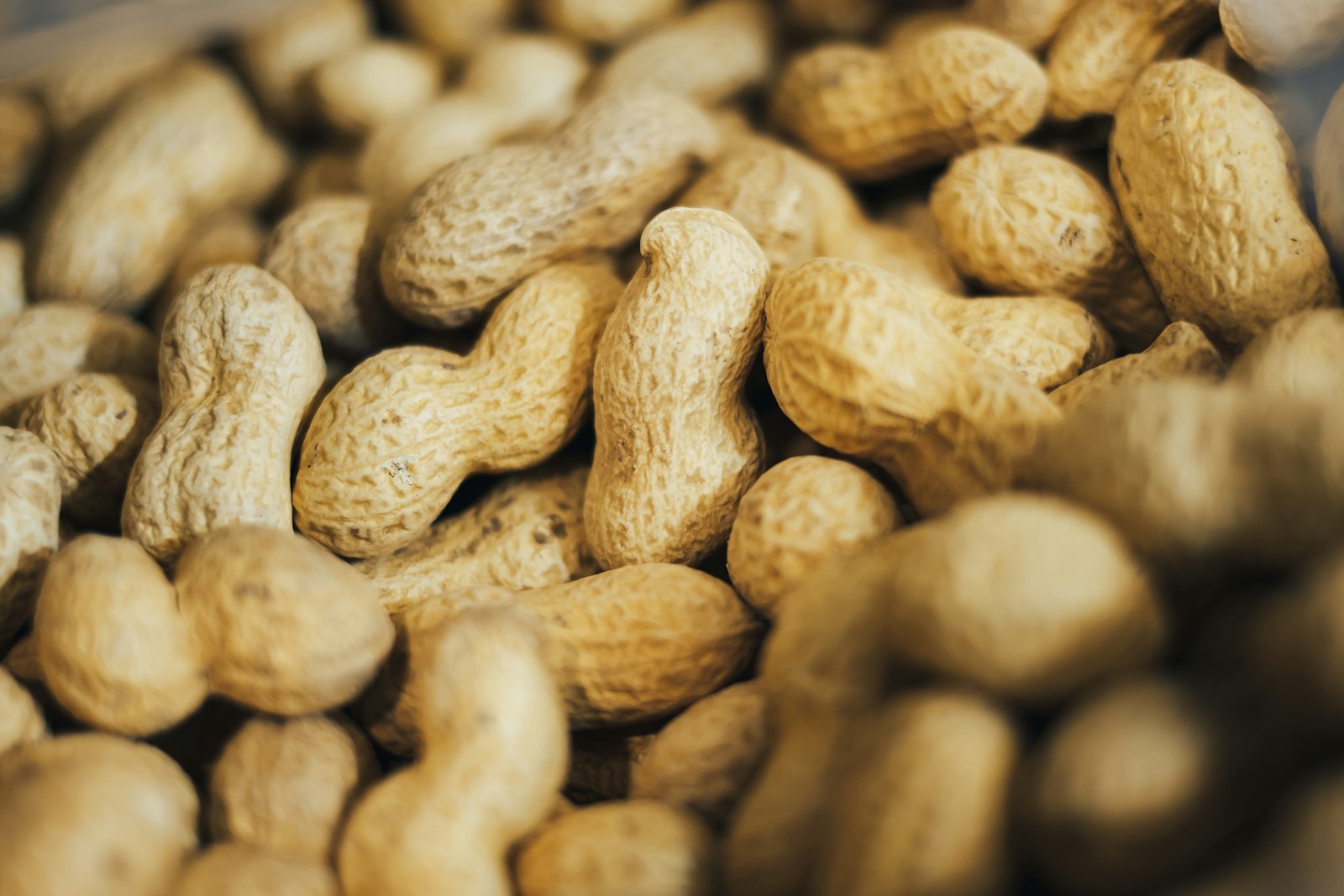
There’s a unique satisfaction in cracking open a peanut shell to reveal the perfectly crunchy, flavorful nut within. Peanuts, whether enjoyed as a snack, in recipes, or at a ballgame, are a delightful treat. However, their natural oils make them susceptible to losing that coveted freshness quickly if not stored correctly. Nobody wants to discover a stale, or worse, rancid peanut. This guide is dedicated to helping you master the art of preserving the deliciousness of in-shell peanuts. We’ll explore effective strategies, from understanding the enemies of freshness to implementing optimal storage techniques, ensuring your peanuts remain crisp and tasty for as long as possible. By following these simple yet crucial steps, you can extend their shelf life significantly and always have a fresh batch ready to enjoy.
The science of freshness: Why peanuts spoil
To effectively preserve peanuts, it’s essential to understand what causes them to lose their freshness in the first place. The primary culprit is oxidation, a chemical reaction where the fats and oils present in the peanut react with oxygen in the air. This process leads to rancidity, giving the peanuts an unpleasant, bitter, or chemical taste and an off-putting odor. Heat and light accelerate this oxidation significantly, breaking down the fats even faster. That’s why exposure to direct sunlight or warm temperatures is detrimental to their shelf life.
Another major enemy is moisture. While peanuts need some humidity to prevent them from becoming overly dry and brittle, excessive moisture creates an ideal environment for mold and fungal growth. Mold not only spoils the taste and texture but can also produce harmful toxins, such as aflatoxins, which pose serious health risks. Therefore, controlling humidity is crucial. Lastly, pests, including various insects and rodents, are attracted to peanuts as a food source. Their presence not only contaminates the nuts but can also introduce moisture or other spoilage factors. Protecting your peanuts from these elements is the first step toward long-lasting freshness.
Short to medium-term storage: Pantry and refrigeration
For those who consume peanuts relatively quickly or don’t have extensive storage needs, the pantry and refrigerator offer excellent short to medium-term solutions. The key principle across both methods is to minimize exposure to air, light, heat, and moisture.
Pantry perfection: Keeping it cool and dark
For short-term storage, a cool, dark, and dry pantry or cupboard is ideal. Unopened bags of in-shell peanuts can remain fresh for several weeks to a couple of months when stored this way. Once opened, or if you’ve purchased them in bulk, transfer them to an airtight container. This could be a glass jar with a tight-fitting lid, a heavy-duty resealable plastic bag, or a food-grade plastic container. The airtight seal is critical to prevent oxygen from initiating rancidity and to block out any ambient moisture. Keep them away from appliances that emit heat, like ovens or refrigerators, and ensure they are not exposed to direct sunlight.
Refrigeration benefits: Extending the timeline
If you want to extend the shelf life beyond a couple of months, the refrigerator is your best friend. The cooler temperatures significantly slow down the oxidation process, keeping the oils in the peanuts stable for longer. When refrigerating in-shell peanuts, ensure they are completely dry to prevent condensation and mold growth. Place them in an airtight container or a heavy-duty freezer bag, squeezing out as much air as possible before sealing. This also protects the peanuts from absorbing odors from other foods in your fridge, which can easily permeate their porous shells. Refrigerated in-shell peanuts can maintain their freshness for up to four to six months.
Here’s a quick comparison of shelf life for different storage methods:
| Storage method | Estimated shelf life (in-shell) | Key considerations |
|---|---|---|
| Pantry/Cupboard | 2-3 months | Cool, dark, dry, airtight container |
| Refrigerator | 4-6 months | Airtight container, prevent moisture/odor absorption |
| Freezer | Up to 1 year+ | Airtight, heavy-duty packaging, gradual thawing |
Maximizing longevity: Freezing for extended freshness
For the longest possible preservation of in-shell peanuts, freezing is undoubtedly the superior method. When properly executed, freezing can keep peanuts fresh and flavorful for up to a year or even longer. The extremely low temperatures in a freezer effectively halt the enzymatic activity that contributes to spoilage and drastically slow down the oxidation of the peanuts’ natural oils, locking in their taste and texture.
The preparation for freezing is crucial. First, ensure your peanuts are completely dry. Any residual moisture can turn into ice crystals in the freezer, leading to freezer burn and a degradation of quality. Once dry, transfer them into heavy-duty freezer bags, pressing out as much air as possible before sealing. Vacuum-sealing is an even better option, as it removes almost all oxygen, offering superior protection against rancidity and freezer burn. Alternatively, you can use rigid, airtight freezer-safe containers, ensuring minimal headspace. Labeling the containers with the date of freezing is a good practice to help you keep track of their age.
When you’re ready to enjoy your frozen peanuts, the thawing process is straightforward. It’s best to thaw them gradually in the refrigerator overnight. This slow thawing helps prevent condensation from forming on the peanuts, which could introduce unwanted moisture. For quicker thawing, you can leave them at room temperature for a few hours. Once thawed, they should be consumed relatively quickly, ideally within a few weeks, or returned to a refrigerated state if not being used immediately. Remember not to refreeze thawed peanuts, as this can negatively impact their texture and flavor.
Quality control and usage tips: Spotting spoilage and best practices
Even with the best storage practices, it’s always wise to perform a quick quality check before consuming your in-shell peanuts. Your senses are your best tools in identifying spoilage, ensuring you enjoy only the freshest and safest nuts.
Spotting spoilage: Trust your senses
- Smell: The most reliable indicator of rancidity is a distinctive smell. Fresh peanuts have a mild, nutty aroma. If they smell like paint, chemicals, old oil, or just generally “off,” they are likely rancid and should be discarded. A musty or moldy smell indicates moisture issues.
- Appearance: Look for any signs of mold, which can appear as fuzzy white, green, or black spots on the shell or the nut itself. Discoloration, shriveling, or an unusual dark appearance of the nut meat inside are also red flags.
- Taste: If the smell and appearance seem fine, you can taste a small piece. A bitter, sour, or stale flavor is a clear sign that the peanuts are past their prime. Fresh peanuts should taste pleasantly sweet and nutty.
- Texture: While hard, crunchy shells are normal, a soft or pliable shell might indicate excessive moisture absorption and potential spoilage within.
Consuming rancid or moldy peanuts is not just unpleasant but can be harmful. Mold can produce aflatoxins, which are toxic and carcinogenic. When in doubt, it’s always safer to throw them out.
Best practices for purchase and revival
Start with quality peanuts. When buying, check for intact shells, absence of cracks, and a good “best by” or “harvest” date if available. Purchase from reputable sources to ensure freshness. If your peanuts have become slightly stale but show no signs of rancidity or mold, you might be able to revive them by lightly re-roasting them in a dry pan or oven. This can often bring back some of their crispness and nutty flavor. However, this method will not fix truly rancid nuts. By being diligent in your storage and mindful of quality, you can ensure a delightful and safe peanut experience every time.
In summary, keeping your in-shell peanuts fresh hinges on understanding the threats of oxidation, moisture, and pests, and then actively combating them through proper storage. Whether you opt for short-term pantry storage in a cool, dark, and dry environment, leverage the extended benefits of refrigeration in airtight containers, or commit to long-term freezing for maximum longevity, each method plays a vital role in preserving their quality. Always prioritize airtight seals and low humidity to protect those precious oils. By being vigilant about freshness checks and knowing how to identify spoilage, you can prevent waste and ensure every peanut experience is a good one. Invest a little effort in smart storage, and you’ll be rewarded with consistently delicious, fresh peanuts, ready whenever the craving strikes.