The relentless battle against garden pests is a familiar plight for many green-thumbed enthusiasts. Among the most common and frustrating culprits are slugs, notorious for leaving unsightly trails and devouring tender plant foliage overnight. While various chemical solutions exist, a growing number of gardeners are seeking safer, more environmentally friendly alternatives to protect their precious plants. This article will delve into one such simple yet remarkably effective method: using soapy water to dispatch these slimy invaders. We will explore the science behind this household remedy, guide you through crafting the perfect slug-killing concoction, discuss optimal application techniques, and finally, integrate this strategy into a broader approach for a healthier, slug-free garden.
Understanding the slug menace and the soapy water science
Before we tackle the solution, it’s beneficial to understand our adversary. Slugs are gastropods, essentially snails without shells, relying heavily on a protective layer of mucus for movement and to prevent desiccation. They thrive in damp, cool environments, making them particularly active after rain or in the evenings, and their voracious appetites can decimate seedlings, leafy greens, and ornamental plants in a short period. Their soft bodies and reliance on this mucus layer are key weaknesses that soapy water exploits.
The scientific principle behind soapy water’s effectiveness against slugs is quite straightforward. Soaps, particularly those containing surfactants, work by breaking down the surface tension of water. When this modified water comes into contact with a slug, it rapidly dissolves its protective mucus layer. Without this crucial barrier, the slug’s delicate skin is exposed, leading to rapid dehydration. Furthermore, the soap can interfere with their ability to breathe through their skin, effectively suffocating them. It’s a quick, contact-based method that targets their unique biology without leaving harmful residues in your garden.
Crafting your effective soapy solution
Creating your slug-killing soapy water solution is incredibly simple, requiring only basic household items. However, choosing the right kind of soap and the correct concentration is crucial for effectiveness against slugs while minimizing potential harm to your plants. Not all soaps are created equal for this purpose.
For optimal results, opt for mild dish soap (the kind without harsh degreasers, antibacterial agents, or strong perfumes), pure Castile soap, or commercially available insecticidal soap. Harsh detergents can strip natural oils from plant leaves, leading to scorching or other damage, especially in direct sunlight. A general guideline for concentration is 1 to 2 tablespoons of soap per gallon of water. This range is usually potent enough to affect slugs but diluted enough to be less impactful on most garden plants. Always mix thoroughly until the water is sudsy, ensuring the soap is fully dispersed.
Here’s a quick guide for soap types and ratios:
| Soap Type | Recommended Ratio (per Gallon) | Notes |
|---|---|---|
| Mild Dish Soap | 1-2 tablespoons | Cost-effective, widely available. Avoid harsh chemicals or degreasers. |
| Castile Soap | 1 tablespoon | Gentler on plants, natural and biodegradable option. |
| Insecticidal Soap | Follow product instructions | Formulated for pest control; generally safe for plants when used as directed. |
Before widespread application, it’s always a good practice to test your solution on a small, inconspicuous part of an affected plant. Wait 24-48 hours to observe any adverse reactions like leaf yellowing or spotting. This precaution helps prevent accidental plant damage.
Strategic application for optimal slug eradication
Once you have your potent soapy solution, strategic application is key to maximizing its effectiveness. Since soapy water only works on contact, timing and method are paramount for successfully eliminating slugs from your garden.
The best time to apply your solution is during the slugs’ most active hours. This typically means at dusk or early in the morning, when temperatures are cooler and the garden is still damp. Slugs tend to retreat to cooler, shadier, and moister spots during the heat of the day. Using a spray bottle, directly mist any slugs you spot. Ensure thorough coverage, as the solution needs to make direct contact with their bodies to be effective. Pay particular attention to the undersides of leaves, around the base of plants, and in any damp, sheltered areas where slugs commonly hide. Remember that soapy water has no residual effect once dry, so you’ll need to reapply as new slugs appear or after rain.
Beyond direct spraying, soapy water can also be used in simple traps. Fill shallow dishes or jar lids with your soapy water mixture and place them at ground level near affected plants. Slugs are attracted to the moisture, crawl in, and drown. This method can be particularly effective for catching a larger number of slugs overnight with minimal effort. While generally safe for plants, avoid saturating foliage to the point of run-off, especially if the sun is strong, as this could potentially lead to leaf burn from the soap concentrating as water evaporates.
Integrating soapy water into a broader pest management plan
While soapy water is an excellent tool for immediate slug control, it functions best as one component of a comprehensive integrated pest management (IPM) strategy. Relying solely on direct slug eradication might offer temporary relief, but addressing the underlying conditions that attract slugs will yield more sustainable, long-term results.
Consider combining your soapy water treatments with preventive measures. Sanitation is crucial: regularly remove leaf litter, weeds, decaying plant material, and any garden debris that provides slugs with shelter and breeding grounds. Adjust your watering schedule to water plants in the morning rather than the evening. This allows the soil surface to dry out before slugs become active at night, making the environment less appealing to them. You can also explore physical barriers like copper tape around raised beds or collars made from plastic bottles around vulnerable seedlings; slugs dislike crawling over copper and rough surfaces. Encouraging natural predators, such as birds, frogs, toads, and ground beetles, by providing suitable habitats can also help keep slug populations in check. By employing a multi-faceted approach that includes regular monitoring, manual removal, habitat modification, and targeted application of solutions like soapy water, you can effectively manage slug populations and cultivate a healthier, thriving garden ecosystem.
In conclusion, the fight against slugs doesn’t have to involve harsh chemicals or expensive solutions. Soapy water emerges as a simple, affordable, and remarkably effective weapon in the organic gardener’s arsenal. By understanding the scientific principle behind its action – dissolving the slug’s protective mucus layer – gardeners can confidently craft and apply this non-toxic remedy. We’ve detailed the ideal soap types and concentrations, emphasized strategic application during peak slug activity, and highlighted its contact-only effectiveness. While an immediate solution, its true power is unlocked when integrated into a broader pest management plan that includes sanitation, adjusted watering practices, and physical barriers. Embracing soapy water as part of a holistic approach empowers you to protect your plants naturally, fostering a healthier garden ecosystem without resorting to environmentally damaging pesticides. This accessible method proves that sometimes, the simplest solutions are indeed the best for maintaining a vibrant and thriving garden.
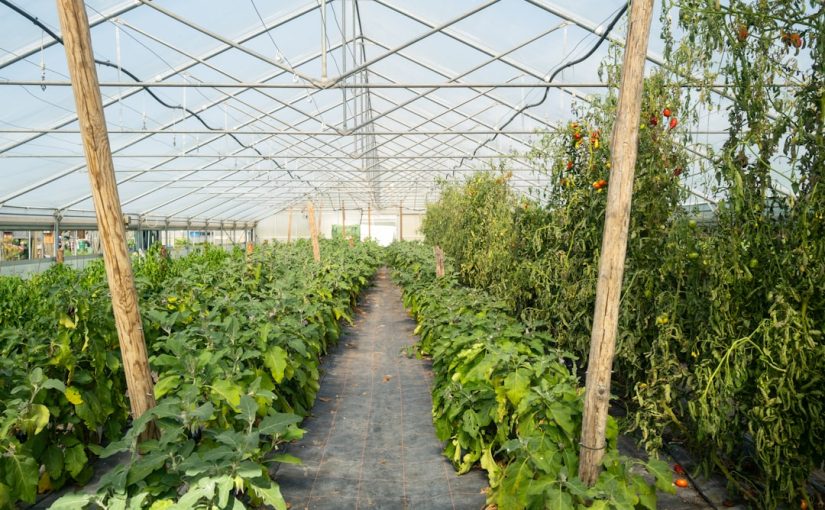
Image by: Being Organic in EU