Wisteria, with its breathtaking cascades of fragrant flowers, is undeniably beautiful. However, behind this beauty lies an aggressive, highly invasive vine renowned for its tenacious grip on landscapes and structures. For many gardeners, this rapid growth transitions from a charming feature to a relentless problem, often overwhelming native plants, choking out trees, and even damaging property foundations. Eradicating a mature wisteria, particularly its deeply entrenched and far-reaching root system, is a significant challenge that demands a strategic, multi-pronged approach. This guide will delve into effective methods for killing wisteria roots, offering practical steps to reclaim your garden from this persistent plant.
Understanding the wisteria challenge
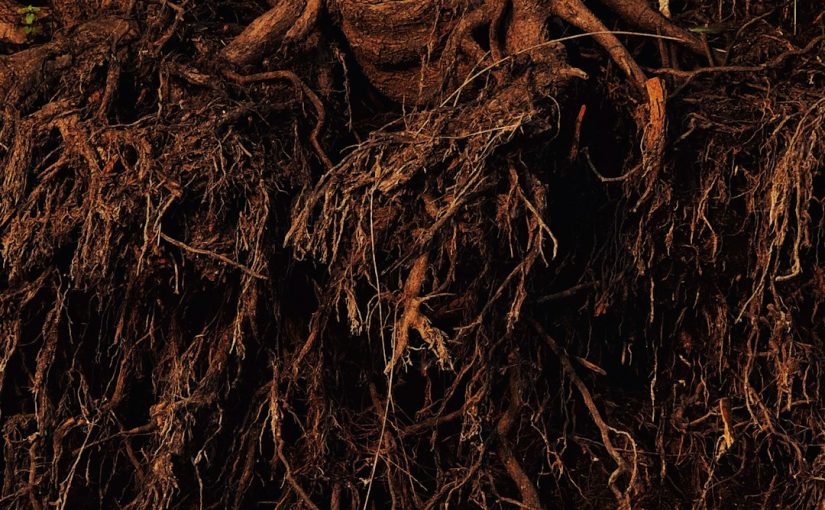
Before attempting to eliminate wisteria, it’s crucial to understand why it’s such a formidable opponent. Wisteria is a lignified woody vine, meaning its stems become hard and tree-like over time. Its most remarkable feature, however, is its incredibly robust and extensive root system. These roots can delve deep into the soil, spread horizontally for many feet, and readily sucker, sending up new shoots from even small fragments left behind. Moreover, wisteria stores substantial energy reserves within these roots, allowing it to rapidly regrow even after severe cutting. This deep energy reserve is precisely why superficial cutting or pruning rarely works; the plant simply draws on its stored resources to regenerate with renewed vigor. The sheer scale and resilience of these roots mean that any successful eradication strategy must target this underground network directly and persistently.
Preparation: setting the stage for eradication
Successfully killing wisteria roots begins with thorough preparation, which significantly enhances the effectiveness of subsequent treatments. The first step is to cut back the majority of the vine’s above-ground growth. Using loppers, pruning saws, or even a chainsaw for very thick trunks, remove all foliage and as much stem as possible. Leave about 6-12 inches of the main trunks or stems protruding from the ground, as these stubs will serve as points of application for herbicides or provide leverage for mechanical removal. It’s also wise to clear any debris or surrounding vegetation from the base of the plant to ensure unobstructed access to the root crown and any visible surface roots. Always wear appropriate personal protective equipment, including thick gloves and eye protection, especially when handling tools or chemical herbicides. Identifying the main root system and any suckers spreading from it is vital at this stage, as all parts will need attention.
Strategic attacks: chemical and non-chemical approaches
Eradicating wisteria roots often requires a combination of methods, tailored to the plant’s size and your comfort with chemical solutions.
Chemical methods
Herbicides are often the most effective way to kill established wisteria roots due to their systemic action, meaning they travel through the plant’s vascular system to the roots. Two of the most common and effective active ingredients are glyphosate and triclopyr.
- Glyphosate: A broad-spectrum herbicide that inhibits an enzyme essential for plant growth. It’s often used in concentrations of 20-50% for cut-stump applications.
- Triclopyr: A selective herbicide that mimics plant hormones, causing uncontrolled growth and eventual death. It’s particularly effective on woody plants and can be applied as a cut-stump treatment or basal bark spray.
Application methods:
- Cut-Stump Treatment: This is highly effective. Immediately after cutting the wisteria stems close to the ground (within 5-10 minutes), apply a concentrated herbicide solution directly to the freshly cut surface. The plant’s vascular system will draw the chemical down to the roots.
- Drill-and-Pour Method: For very thick trunks, drill several downward-slanted holes (1/2 to 1 inch deep) into the stump or main roots. Fill these holes immediately with concentrated herbicide. This targets the root system directly.
- Foliar Spray (less effective for roots): While you can spray young wisteria foliage with herbicide, this is generally less effective for killing established roots, as the chemical may not translocate sufficiently to the entire root system. It’s best used for new sprouts or small seedlings.
Here’s a comparison of common herbicide application methods:
| Method | Target | Effectiveness on Roots | Considerations |
|---|---|---|---|
| Cut-Stump | Freshly cut stems/trunks | High | Immediate application crucial; minimizes drift; precise. |
| Drill-and-Pour | Thick trunks/roots | High | Requires drilling tools; very direct application. |
| Basal Bark (Triclopyr) | Lower bark of stems/trunks | Moderate to High | Can be applied without cutting; best on smaller stems; oil-based carrier. |
| Foliar Spray | Leaves of actively growing plants | Low to Moderate (for roots) | Risk of drift; effective for seedlings or regrowth; multiple applications usually needed. |
Non-chemical methods
- Repeated Cutting/Starvation: This is a labor-intensive but chemical-free approach. Cut back any new wisteria shoots as soon as they appear, ideally before they develop leaves. This deprives the roots of photosynthesis and gradually depletes their energy reserves. Persistence over several growing seasons is key.
- Digging Out Roots: For smaller plants or accessible areas, manually digging out the entire root ball and all major lateral roots can be effective. This requires significant effort and vigilance, as any left-behind fragments can resprout.
- Suffocation/Smothering: After cutting the wisteria to the ground, cover the area with thick layers of cardboard, newspaper, and then a heavy tarp or thick mulch (at least 6-8 inches deep). This deprives the roots of light and air, eventually killing them. This method can take a year or more.
- Boiling Water: For small, contained areas where wisteria is growing (e.g., between pavers), pouring boiling water directly onto the root crown can scald and kill the roots. This is not practical for large, established plants.
- Salt (with extreme caution): While salt can kill roots, it also sterilizes the soil, making it unsuitable for other plant growth for many years. It should only be considered as a last resort in areas where nothing else is intended to grow, and even then, sparingly.
The battle for complete eradication: persistence and follow-up
Killing wisteria roots is rarely a one-time event; it’s a campaign that demands ongoing vigilance and follow-up treatments. After initial application of your chosen method, regularly inspect the area for any signs of regrowth. New shoots emerging from the soil are a clear indication that the root system is still alive and active. Address these promptly: either apply a spot treatment of herbicide to the new growth (foliar spray) or cut them back immediately to continue depleting the root’s energy reserves. Continue this process for at least one to two growing seasons, or even longer for very mature plants. Dispose of all wisteria plant material responsibly, as even cut stems can potentially root or regrow if left in contact with soil. Do not compost wisteria unless you are certain it has been thoroughly killed. Finally, once the wisteria is completely eradicated, consider planting native, non-invasive species in its place to prevent future weed incursions and restore your garden’s ecological balance.
Conclusion
Eradicating the tenacious root system of wisteria is a formidable task, but with a well-planned and persistent approach, it is entirely achievable. We’ve explored why wisteria is so resilient, emphasizing the need to target its extensive underground network. The journey begins with preparing the site by cutting back above-ground growth, creating accessible points for treatment. From there, you can employ strategic attacks, choosing between potent systemic herbicides like glyphosate or triclopyr applied via cut-stump or drill-and-pour methods, or opting for non-chemical alternatives such as relentless repeated cutting, thorough digging, or suffocating the roots. Regardless of the method chosen, the ultimate key to success lies in unwavering persistence. Wisteria has impressive regenerative capabilities, so ongoing monitoring for new shoots and immediate follow-up treatments are absolutely critical. By understanding its biology and committing to a long-term strategy, you can definitively reclaim your landscape from this beautiful but aggressive vine, paving the way for a healthier, more manageable garden ecosystem.
Image by: Gal Revina