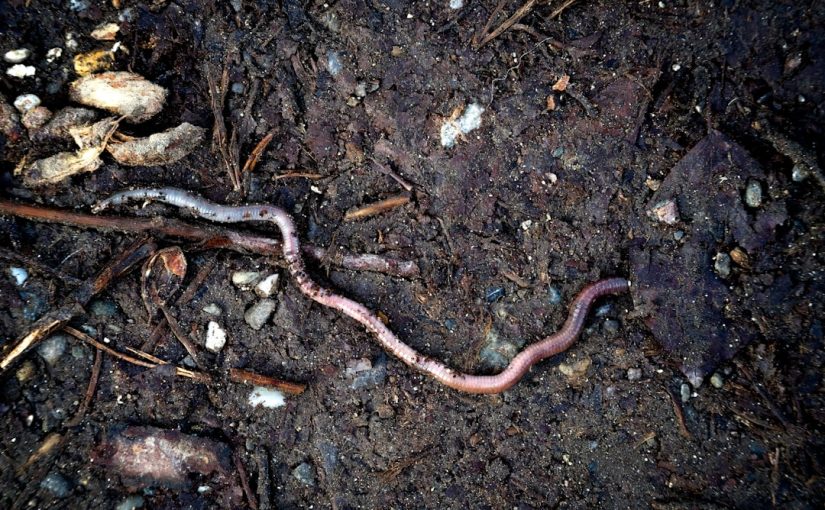
The aftermath of a refreshing rain often brings with it the unwelcome sight of earthworms wriggling across sidewalks. While these unassuming creatures are vital for soil health, their presence on paved surfaces can be unsightly, messy, and even a slipping hazard. Many homeowners and property managers are left wondering why earthworms emerge en masse after a downpour and, more importantly, how to prevent this common occurrence. This article will delve into the fascinating reasons behind this peculiar post-rain phenomenon and, more crucially, equip you with practical, effective strategies to keep your sidewalks clear of these subterranean visitors. Understanding their behavior is the first step toward implementing preventative measures that ensure your pathways remain clean and safe, rain or shine.
Understanding earthworm behavior and their post-rain emergence
To effectively prevent earthworms from invading your sidewalks, it’s essential to first grasp why they make this mass exodus after rainfall. Contrary to popular belief, earthworms do not surface because they are “drowning” in their burrows. While they can survive submerged for some time, their primary motivation is a desperate search for oxygen. When heavy rains saturate the soil, the air pockets within the soil structure become filled with water. Earthworms, which breathe through their skin, find it increasingly difficult to extract sufficient oxygen from the waterlogged soil. This oxygen deprivation compels them to seek higher ground where oxygen is more readily available, often leading them directly onto hard, exposed surfaces like sidewalks and driveways.
Furthermore, saturated soil also makes it easier for earthworms to move. The film of water reduces friction, allowing them to travel farther and faster across the surface than they would in dry soil. This movement can also be part of a dispersal strategy, allowing them to find new territories or mates. They are drawn to moist conditions, and the damp surface of a sidewalk, initially, seems like a viable path, even if it quickly proves fatal once the sun emerges or the surface dries out. Understanding these fundamental instincts allows us to target the root causes of their surfacing behavior with tailored preventive actions.
Improving drainage and managing water runoff
One of the most effective strategies to prevent earthworms on sidewalks is to address the underlying issue of water saturation. By managing water runoff and improving drainage around your paved areas, you can significantly reduce the conditions that force earthworms to the surface. The goal is to ensure that water doesn’t pool in adjacent soil for extended periods after rain.
- Grading and sloping: Ensure that the soil surrounding your sidewalks is properly graded with a gentle slope away from the pavement. This natural inclination will direct water away from the sidewalk’s edge, preventing saturation in the immediate vicinity.
- Gutter and downspout management: Check that your home’s gutters are clean and free of debris, and that downspouts direct rainwater well away from sidewalks and garden beds. Connecting downspouts to rain barrels or extensions can further divert large volumes of water.
- Permeable borders: Consider creating a border of gravel, river rock, or permeable pavers immediately adjacent to the sidewalk. These materials allow water to drain quickly through them, reducing the amount of standing water and saturated soil next to the concrete.
- Avoiding overwatering: If you irrigate lawns or garden beds near sidewalks, adjust your watering schedule to prevent overwatering. Deep, infrequent watering encourages roots to grow deeper, and allows surface soil to dry out more between watering sessions, discouraging earthworms from frequenting the upper soil layers.
Implementing these drainage solutions will reduce the instances of waterlogged soil, thereby diminishing the earthworms’ need to escape to the surface.
Modifying the soil environment adjacent to sidewalks
Beyond managing water, altering the soil environment immediately next to your sidewalks can make these areas less attractive or hospitable for earthworms. The aim is to create conditions that either discourage them from burrowing near the surface or from finding the area appealing for surfacing.
- Reducing organic matter: Earthworms thrive in soil rich in organic matter, as this is their primary food source. Regularly sweep leaves, grass clippings, and other organic debris away from the edges of your sidewalks. While you don’t want to completely deplete your garden soil of organic matter (which is beneficial), minimizing it right at the pavement’s edge can make the area less appealing for high worm activity.
- Creating physical barriers with inhospitable material: A small, shallow trench (1-2 inches deep) filled with coarse sand, fine gravel, or even sawdust can act as a subtle barrier. Earthworms find it more difficult and less appealing to burrow or travel through these types of materials compared to rich, loamy soil. This creates a zone of discomfort they may prefer to avoid.
- Soil compaction (with caution): While generally detrimental to garden health, slightly compacting the soil directly adjacent to the sidewalk (e.g., a narrow strip 6-12 inches wide) can make it harder for worms to burrow through. However, this must be done sparingly and carefully, as widespread compaction harms overall soil health and plant growth. Focus on a very localized, minimal approach if attempting this.
By making the soil directly abutting your sidewalks less appealing or harder to navigate, you can encourage earthworms to seek more favorable conditions elsewhere in your garden, away from your paved surfaces.
| Method | Primary Mechanism | Effort/Cost | Long-Term Effectiveness |
|---|---|---|---|
| Proper grading | Diverts water | Moderate/High (initial) | High |
| Gutter maintenance | Manages runoff | Low/Moderate (ongoing) | High |
| Permeable borders | Improves local drainage | Moderate (initial) | High |
| Reducing organic matter | Less food/attraction | Low (ongoing) | Moderate |
| Inhospitable barriers | Physical deterrent | Low/Moderate (initial) | Moderate |
Conclusion
The appearance of earthworms on sidewalks after rain, while a natural phenomenon, can be a persistent nuisance for property owners. As we’ve explored, their surfacing is a survival instinct driven by oxygen deprivation in waterlogged soil. Preventing this involves a multi-faceted approach, focusing primarily on managing water and modifying the immediate soil environment. By implementing strategies such as proper landscape grading, diligent gutter maintenance, and the strategic use of permeable borders, you can significantly reduce the amount of standing water and saturated soil near your paved areas. Furthermore, by making the soil adjacent to sidewalks less appealing through reduced organic matter or the creation of physical barriers, you can encourage these beneficial creatures to remain in your garden beds where they contribute positively to soil health. No single solution is a magic bullet, but a combination of these practical, environmentally friendly methods will lead to cleaner, safer sidewalks. Patience and consistent effort in applying these techniques will ultimately yield the desired outcome, ensuring your pathways remain clear and welcoming, regardless of the weather.
Image by: Julian Zwengel