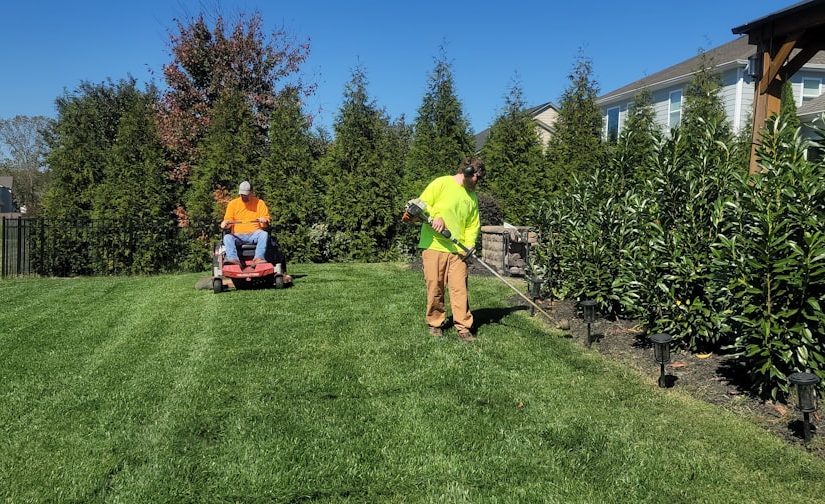
The Wax Leaf Ligustrum (Ligustrum japonicum ‘Texanum’) is a ubiquitous and highly valued plant in many landscapes, celebrated for its dense, glossy, evergreen foliage and remarkable adaptability. Its versatility allows it to be grown as a formal hedge, a natural shrub, or even a small specimen tree. However, to truly unlock its potential and maintain its vibrant health and desired form, the practice of regular and proper pruning is indispensable. Far from being a mere aesthetic choice, strategic pruning encourages robust growth, improves air circulation within the canopy, and proactively prevents common issues like disease and pest infestations. Without careful attention to this horticultural task, your ligustrum can quickly become overgrown, leggy, or lose its characteristic vigor. This comprehensive guide will equip you with the knowledge and techniques necessary to confidently prune your Wax Leaf Ligustrum, ensuring it remains a beautiful and healthy centerpiece in your garden.
Understanding your wax leaf ligustrum and the right time to prune
Before you even pick up your pruning shears, it’s crucial to understand the inherent growth habits of your Wax Leaf Ligustrum. This fast-growing evergreen can reach impressive heights of 10-12 feet and spreads up to 6 feet if left unpruned, developing a dense, multi-stemmed structure. It responds very well to pruning, often pushing new growth rapidly. Knowing this helps set realistic goals for shaping and size management.
Timing is perhaps the most critical factor in successful pruning. For Wax Leaf Ligustrum, the optimal period for major pruning is late winter to early spring, just before the flush of new growth begins. This timing allows the plant to heal quickly as it enters its active growth phase, minimizing stress and susceptibility to disease. Light shaping and corrective pruning, however, can be done throughout the growing season to maintain a desired form or remove errant branches. Avoid heavy pruning in late fall or early winter, as new growth stimulated by pruning may not have enough time to harden off before cold temperatures arrive, potentially leading to frost damage. If your ligustrum has experienced winter damage, wait until all threat of frost has passed to assess and remove dead or damaged wood.
Another consideration is the plant’s flowering cycle. Wax Leaf Ligustrums produce small, fragrant white flowers in late spring to early summer, followed by small, dark berries. If you wish to enjoy these flowers and berries (which are a food source for birds), prune right after the flowering period. However, for most landscape applications where a neat, dense hedge or shrub is preferred, the late winter/early spring pruning before flowering is generally recommended, as the flowers are often sacrificed for a tidier appearance.
Essential tools and preparation for safe pruning
Having the right tools is paramount for efficient and clean cuts, which are vital for your ligustrum’s health. Dull or incorrect tools can tear branches, leaving ragged wounds that invite pests and diseases. Always ensure your tools are sharp and clean before starting, and disinfect them between plants (especially if you suspect disease) with rubbing alcohol or a 10% bleach solution to prevent the spread of pathogens.
Here’s a breakdown of essential tools you’ll need:
- Hand pruners (bypass type): Ideal for cutting branches up to 3/4 inch thick. Bypass pruners make clean, scissor-like cuts that are less damaging than anvil pruners.
- Loppers: With longer handles, loppers provide leverage for cutting branches up to 1 1/2 inches thick.
- Pruning saw: Necessary for larger branches exceeding 1 1/2 inches in diameter. Choose a curved blade for easier access in tight spaces.
- Hedge shears: While often used for broad shaping and shearing hedges, use these judiciously for ligustrum, as they create many small cuts that can lead to denser outer growth and sparser interiors.
Safety is also key. Wear sturdy gloves to protect your hands from thorns and sap. Eye protection is highly recommended to shield against flying debris, especially when working with spring-loaded tools or overhead branches. If pruning large or tall plants, ensure you have a stable ladder and always prune with a partner if possible, especially when using power tools or working at heights.
To give you a clearer idea of tool selection:
| Tool type | Maximum branch diameter | Primary application |
|---|---|---|
| Bypass hand pruners | Up to 3/4 inch (2 cm) | Small branches, detailed shaping, deadheading |
| Loppers | Up to 1 1/2 inches (4 cm) | Medium branches, reach into canopy |
| Pruning saw | Over 1 1/2 inches (4 cm) | Large, mature branches, removal of heavy wood |
| Hedge shears | Varies (light outer growth) | Overall hedge shaping, formal edges |
Step-by-step pruning techniques for optimal growth and shape
Pruning a Wax Leaf Ligustrum involves several techniques, each serving a distinct purpose. Understanding when and how to apply these cuts will help you achieve a healthy and aesthetically pleasing plant.
1. Assess and plan:
Before making any cuts, step back and examine your ligustrum. Identify dead, diseased, or damaged branches first. Then, consider the overall shape you desire: a dense hedge, a more natural shrub, or a tree form. Visualize how your cuts will impact the plant’s structure.
2. Remove dead, diseased, or damaged wood:
This is always the first priority. Cut back to healthy wood, ensuring you make the cut into the healthy tissue just above a bud or branch collar. Diseased branches should be pruned below the affected area, and your tools should be disinfected afterward.
3. Thinning cuts:
Thinning cuts involve removing entire branches back to their point of origin on a main stem or to a main branch. This technique is crucial for improving air circulation within the plant, which reduces the risk of fungal diseases. It also allows light to penetrate the inner foliage, promoting growth throughout the plant, not just on the exterior. Aim to remove some of the oldest, thickest stems from the base to rejuvenate the plant. For a dense hedge, thin judiciously to maintain density while preventing an overgrown core.
4. Heading cuts (reduction cuts):
Heading cuts involve shortening a branch back to a lateral branch or a bud. This stimulates new growth near the cut and is used to reduce the size of the plant, encourage bushiness, or maintain a specific height and width for hedges. When making heading cuts, always cut just above an outward-facing bud or a healthy side branch. This directs new growth outwards, preventing an overly dense center.
5. Shaping for specific forms:
- For hedges: Ligustrums are excellent hedge plants. When pruning a hedge, aim for a slightly wider base than top (a trapezoidal shape). This allows sunlight to reach the lower foliage, preventing the bottom of the hedge from becoming sparse. Use hedge shears for the initial shaping, then follow up with hand pruners for any thicker branches that were mangled or for finer detail. Regular light shearing throughout the growing season helps maintain crisp lines.
- For shrubs: For a more natural shrub form, focus on thinning cuts to open up the canopy and maintain a natural, rounded shape. Remove crossing branches and those growing inwards. Reduce overall size with heading cuts as needed, always cutting back to a strong side branch.
- As a small tree: If you’re training your ligustrum into a tree form, gradually remove lower branches over several seasons to expose a single trunk or a few main trunks. Continue to prune the canopy to maintain a desirable shape and size, much like a shrub, but always focusing on maintaining a clear trunk.
Post-pruning care and common mistakes to avoid
Once you’ve finished pruning your Wax Leaf Ligustrum, a little aftercare can go a long way in ensuring its quick recovery and continued health. Immediately after pruning, water the plant thoroughly, especially if the soil is dry. This helps reduce stress and supports the plant’s energy redirection towards healing and new growth. A light application of a balanced slow-release fertilizer can also be beneficial, providing essential nutrients for recovery, particularly if significant pruning was performed.
Monitor your ligustrum for the next few weeks. Watch for signs of stress, such as wilting or yellowing leaves, though these are rare with proper pruning. Keep an eye out for pests or diseases that might try to exploit fresh wounds; healthy plants are generally more resistant, but it’s always good to be vigilant. Clean up all pruned branches and debris from around the base of the plant to remove potential breeding grounds for pests and diseases.
Avoiding common mistakes can save you a lot of headache:
- Topping: Never “top” a ligustrum by cutting all branches back to a uniform height without regard for side branches or buds. This creates an unnatural, weak structure with a dense flush of weak, upright growth (witches’ brooms) that are prone to breakage and disease.
- Lion-tailing: This occurs when you remove all inner branches and foliage, leaving only a tuft of leaves at the end of long, bare branches. It severely weakens the plant’s structure and makes it susceptible to sun scald.
- Pruning too much at once: While ligustrums are resilient, removing more than 25-30% of the plant’s total foliage in a single pruning session can stress it significantly. Spread major renovations over two or three seasons.
- Using dull or dirty tools: As mentioned, this causes jagged cuts that are slow to heal and invite pathogens.
Consistent, thoughtful pruning, combined with good post-pruning care, will ensure your Wax Leaf Ligustrum remains a robust, attractive, and long-lived component of your landscape.
Conclusion
Mastering the art of pruning your Wax Leaf Ligustrum is a rewarding endeavor that significantly impacts its health, longevity, and aesthetic appeal. We’ve explored the critical importance of understanding your plant’s growth habits and the optimal timing for pruning – primarily late winter to early spring for major cuts, with lighter shaping throughout the growing season. The selection and maintenance of sharp, clean tools, from hand pruners to saws, were highlighted as fundamental for making precise cuts that promote rapid healing and prevent disease. We then delved into specific techniques: thinning cuts to enhance air circulation and light penetration, and heading cuts to manage size and encourage bushiness, all while considering the desired form, whether a formal hedge, a natural shrub, or a small specimen tree. Finally, we emphasized the importance of post-pruning care, including proper watering and fertilization, and cautioned against common mistakes such as topping and lion-tailing. By consistently applying these principles, you’re not just trimming branches; you’re actively cultivating a healthier, more vibrant plant that will continue to grace your landscape with its evergreen beauty for years to come. Thoughtful and regular pruning is the key to a thriving Wax Leaf Ligustrum, transforming it from a mere plant into a carefully sculpted living feature.
Image by: Michael Smith