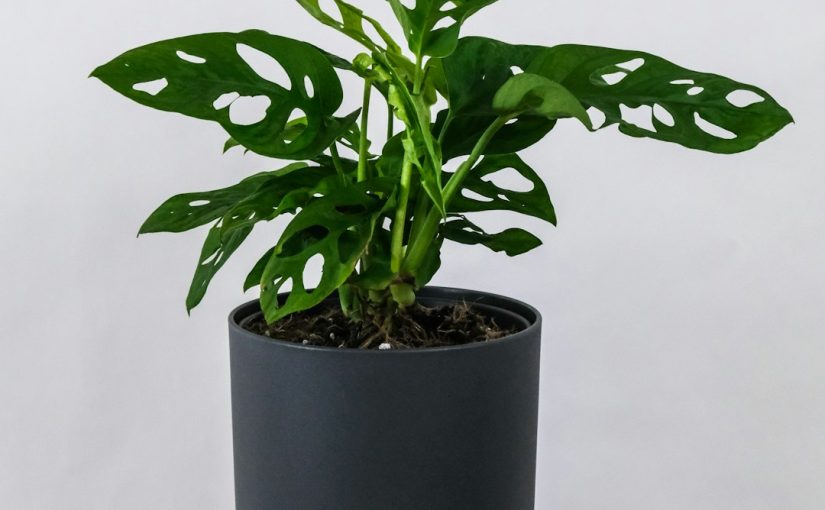
The purple heart plant, scientifically known as Tradescantia pallida, is a remarkably striking and low-maintenance houseplant that captivates with its rich, deep purple foliage. Its vibrant color and vigorous growth make it a favorite among plant enthusiasts, both beginners and experienced gardeners alike. What makes this plant even more appealing is its incredible ease of propagation. If you’ve ever admired a purple heart and wished for more, or simply want to share its beauty with friends and family, learning how to take a cutting is an invaluable skill. This guide will walk you through the simple yet effective steps to successfully multiply your purple heart plant, ensuring you can enjoy its stunning hues in multiple locations or pass on its charm to others.
The purple heart plant and why propagate it
The purple heart plant is a member of the spiderwort family, recognized for its distinctive, velvety, deep purple leaves and trailing growth habit. It occasionally produces small, pinkish-purple flowers, adding to its ornamental appeal. Often called wandering jew or purple queen, this resilient plant thrives in various conditions and is widely grown as both an indoor potted plant and an outdoor groundcover in warmer climates. Propagating your purple heart offers numerous benefits. Firstly, it’s a cost-effective way to expand your plant collection without purchasing new specimens. You can fill out existing pots to create a fuller, bushier display, or start entirely new plants for other rooms or as thoughtful gifts.
Furthermore, regular propagation can help maintain the health and vigor of your parent plant. As purple heart plants mature, they can sometimes become leggy or sparse. Taking cuttings encourages new growth from the main plant, promoting a bushier habit. The best time to take cuttings is during the plant’s active growing season, typically spring or summer, when temperatures are warm and light is abundant, although they can often root successfully year-round indoors.
Essential tools and materials for successful cuttings
Gathering the right tools and materials before you begin will make the propagation process smooth and efficient. You don’t need a lot of specialized equipment, but having these items on hand will significantly increase your success rate.
- Sharp, clean pruning shears or scissors: This is crucial for making clean cuts that heal quickly and reduce the risk of infection. Always sterilize your tools with rubbing alcohol before and after use to prevent the spread of diseases.
- Rooting hormone (optional but recommended): While purple heart plants root readily without it, a rooting hormone powder or gel can accelerate the process and improve the chances of success, especially for less vigorous cuttings.
- Small pots or trays: If you plan to root directly in soil, use containers with drainage holes.
- Well-draining potting mix: A standard houseplant potting mix amended with perlite or vermiculite for extra drainage works well.
- Clear plastic bag or humidity dome: This helps create a humid microclimate, which is beneficial for rooting cuttings.
- A glass of water: If you choose water propagation, a clear glass or jar is needed.
Ensuring your tools are clean is paramount. A clean cut allows the plant to focus its energy on rooting rather than fighting off potential pathogens.
Step-by-step guide to taking the cutting
Taking the actual cutting is a straightforward process, but precision can make a difference in its rooting potential. Follow these steps carefully to give your new plants the best start.
- Choose a healthy stem: Select a vigorous, non-flowering stem from the parent plant that shows no signs of disease, pests, or stress. Look for stems that are firm and plump, not shriveled or weak.
- Locate a leaf node: A leaf node is the small bump or swelling on the stem where a leaf or branch emerges. These nodes contain meristematic tissue, which is capable of developing into roots.
- Make the cut: Using your sterilized shears or scissors, make a clean cut just below a leaf node. The ideal length for a cutting is typically 4 to 6 inches, ensuring it has at least 2-3 nodes. A longer cutting might be harder for the plant to sustain, while a too-short one might lack sufficient energy reserves.
- Prepare the cutting: Carefully remove the leaves from the bottom 1-2 inches of the stem, exposing the nodes. Leave 2-3 leaves at the top of the cutting to allow for photosynthesis, but avoid too many leaves, which can lead to excessive water loss through transpiration before roots have formed.
- Apply rooting hormone (if desired): If you are using rooting hormone, gently dip the cut end of the stem into the powder or gel. Tap off any excess.
By making your cut just below a node, you’re placing the primary root-producing area directly into the rooting medium, whether it be water or soil.
Rooting and aftercare for your new purple heart plants
Once you have your prepared cuttings, it’s time to encourage them to grow roots. Purple heart plants are quite versatile and can be rooted in either water or soil. Both methods are effective, and your choice may depend on personal preference or available resources.
Water propagation
This is often the easiest and most visually satisfying method. Simply place the prepared cuttings into a glass or jar filled with room-temperature water, ensuring that at least one node is submerged. Position the container in a spot with bright, indirect light. Change the water every few days to keep it fresh and prevent bacterial growth. Within a week or two, you should start to see small white roots emerging from the nodes. Once the roots are about 1-2 inches long, the cuttings are ready to be transplanted into soil.
Soil propagation
For direct soil rooting, fill your small pots with a well-draining potting mix. Create a small hole in the center of the soil with your finger or a pencil. Insert the cut end of the stem into the hole, ensuring at least one node is buried, and gently firm the soil around the cutting to provide support. Water thoroughly until water drains from the bottom of the pot. To maintain high humidity, you can place the potted cutting inside a clear plastic bag or under a humidity dome. Place the pot in a location with bright, indirect light and keep the soil consistently moist but never waterlogged. Overwatering can lead to rot.
Signs of successful rooting, regardless of the method, include new leaf growth and resistance when you gently tug on the cutting. Once established, transition your new purple heart plants to standard care, providing bright light, regular watering, and occasional feeding during the growing season. Here’s a quick comparison:
| Method | Pros | Cons | Rooting time (approx.) |
|---|---|---|---|
| Water propagation | Easy to monitor root development, minimal initial setup. | Roots may need to adapt to soil, requires water changes. | 1-3 weeks |
| Soil propagation | Less shock during transplant, roots adapted to soil from start. | Root development is not visible, risk of overwatering. | 2-4 weeks |
Both methods are highly effective for purple heart plants. Choose the one that best fits your comfort level and resources.
Propagating your purple heart plant is a rewarding experience that unlocks a world of possibilities for expanding your plant collection and sharing the beauty of this striking specimen. From selecting the perfect stem to patiently nurturing new roots, each step in the process is straightforward and accessible, even for novice gardeners. By following the detailed instructions on choosing healthy cuttings, preparing them properly, and utilizing either water or soil propagation, you set yourself up for high success rates. The ease with which Tradescantia pallida multiplies truly makes it a joy to propagate, offering a continuous supply of vibrant, purple foliage. Embrace the journey of plant propagation and delight in the emergence of new life, knowing you’ve created something beautiful from just a small piece of a parent plant. So go ahead, grab your shears, and start growing more purple hearts today!
Image by: feey