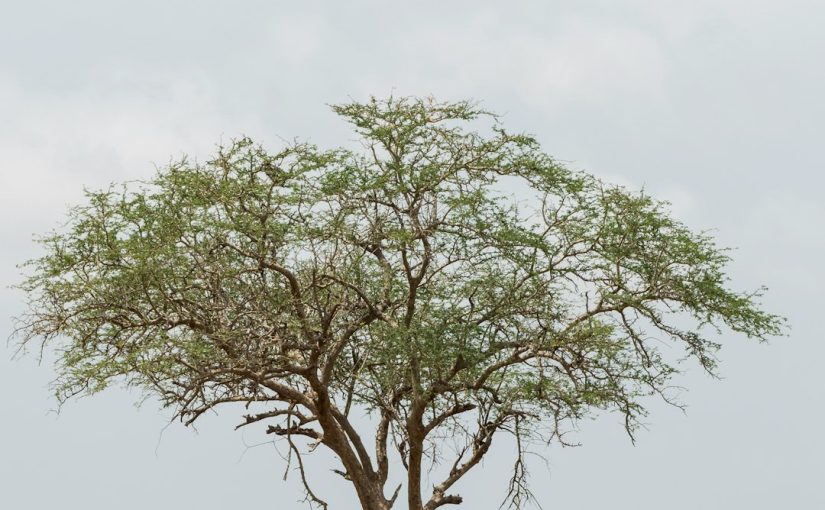
Recognizing the health status of your cypress tree is vital for both its well-being and the safety of your property. Whether you possess a majestic bald cypress, a graceful Leyland cypress, or any other variety, understanding the signs of decline or death can help you make informed decisions. A dead tree poses significant risks, from harboring pests and diseases that could spread to other plants, to becoming a structural hazard that might fall unexpectedly. This article will guide you through the key indicators, from the canopy down to the roots, equipping you with the knowledge to accurately assess whether your cypress tree has reached the end of its life cycle, allowing you to take appropriate action.
Foliage: The first visual indicators
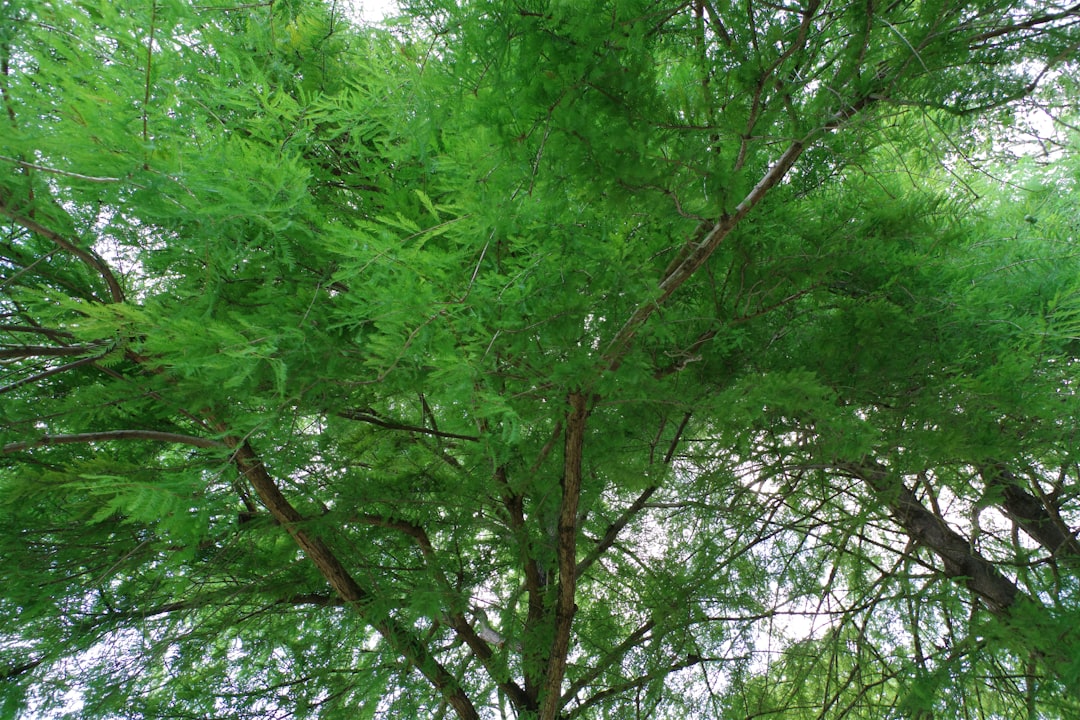
The needles, or scale-like leaves, of your cypress tree offer the most immediate and often the earliest clues about its health. A healthy cypress will typically display vibrant green foliage, especially during its growing season. The first significant sign of a dying or dead cypress is a dramatic change in this color. Needles will begin to yellow, often unevenly, before progressively turning brown and becoming brittle to the touch. This browning usually starts at the tips of the branches and gradually moves inward, or it might appear in patches throughout the canopy.
Beyond color, observe the presence, or rather, the *absence*, of new growth. In spring or early summer, healthy cypress trees will produce fresh, bright green shoots. If your tree shows no signs of new buds or elongated branches when its healthy counterparts are flourishing, it’s a strong indicator of severe distress or death. Furthermore, excessive needle drop outside of the tree’s natural shedding cycle (some evergreens shed older needles gradually throughout the year, and bald cypress is deciduous, shedding all its needles in fall) is a red flag. If you notice a substantial amount of brown, dry needles falling from the tree in spring or summer, or if a bald cypress does not produce new needles in spring, it’s a critical sign that the tree’s internal systems are failing.
Bark and branches: Beyond the green
Once you’ve assessed the foliage, turn your attention to the tree’s structural components: the bark and branches. Healthy cypress bark should be firm, relatively smooth or textured according to its species, and free from extensive damage. Signs of trouble include significant peeling, cracking, or the presence of large lesions or cankers that expose the wood beneath. Fungal growths, such as mushrooms or shelf-like conks, appearing on the trunk or larger branches often indicate internal decay, as these fungi typically feed on dead or decaying wood.
A practical way to assess branch vitality is the “snap test.” Select a few small, finger-sized twigs from various parts of the tree, especially those that appear unhealthy. Gently try to bend them. A live branch will be pliable and bend significantly before breaking, often revealing a moist, green layer just beneath the bark (the cambium layer). A dead branch, however, will snap easily and cleanly, feeling brittle and dry. The exposed wood will typically be brown or gray throughout, lacking any green or moist appearance. Additionally, inspect for signs of insect infestation, such as small holes, sawdust-like frass, or tunneling patterns under the bark. While some insects attack live trees, many are drawn to weakened or dead wood, accelerating its decay.
Trunk and root system: Core health assessment
The integrity of the trunk and the health of the root system are foundational to a cypress tree’s survival. Examine the main trunk for soft spots, particularly near the base. Pressing on the bark and wood with a firm object can reveal areas of advanced decay, where the wood has become spongy or hollow. Large, deep cracks extending into the wood, especially if they are oozing sap or attracting insects, can signify severe stress or internal rot. Fungal fruiting bodies (conks) on the main trunk are a definitive sign of wood decay, often indicating that the heartwood is extensively compromised. The following table summarizes key indicators for quick reference:
| Feature | Healthy Cypress | Dead or Dying Cypress |
|---|---|---|
| Foliage Color | Vibrant green (or appropriate seasonal color for deciduous types) | Yellowing, browning, brittle, excessive shedding |
| New Growth | Present in spring/early summer | Absent or very sparse |
| Bark Integrity | Firm, intact, species-typical texture | Peeling, cracking, lesions, soft spots, fungal growth |
| Branch Flexibility | Pliable, bends without snapping, green cambium | Brittle, snaps easily, dry brown interior |
| Trunk Stability | Solid, no major cracks or decay | Soft spots, extensive cracking, fungal conks |
| Root Collar | Clear of debris, no girdling roots | Fungal mats, decay, girdling roots, insect activity |
The root collar, where the trunk meets the ground, is another critical area. Look for signs of decay, fungal growth, or girdling roots that constrict the trunk. While digging up roots to inspect them isn’t always feasible or recommended, if you notice the tree leaning, heaving, or if there’s significant soil disturbance around the base, it could indicate root system failure. Dead roots are typically brittle, dark, and may have a sour or foul odor, unlike healthy, flexible roots which are lighter in color and have a fresh, earthy smell.
The bigger picture: Time and environmental factors
Understanding the timeline of a cypress tree’s decline can provide additional insights. Did the symptoms appear suddenly, or has the tree been progressively weakening over several months or even years? Sudden death across the entire tree might point to acute stress, such as severe drought, flood, chemical exposure, or a sudden disease outbreak. A gradual decline, characterized by thinning foliage, dying branches over time, and slow growth, often suggests chronic issues like root rot, long-term nutrient deficiencies, or persistent pest infestations.
Consider the environmental conditions the tree has experienced. Prolonged periods of drought, excessive rainfall leading to waterlogged soil, recent construction near the root zone, or even severe storms can all contribute to tree stress and eventual death. The presence of woodpeckers can also be a secondary indicator; while they feed on live insects, they are often attracted to trees with extensive insect infestations, which are common in dead or severely stressed wood. Observing the overall context and history of the tree can help corroborate your assessment from the visual and physical examinations.
Determining whether a cypress tree is truly dead requires a comprehensive approach, examining multiple indicators rather than relying on a single symptom. By meticulously observing the foliage for discoloration and lack of new growth, inspecting the bark and branches for integrity and brittleness, and checking the trunk and root collar for signs of decay or fungal activity, you can build a clear picture of your tree’s health. Remember, a live cambium layer beneath the bark is a definitive sign of life, even if the tree appears distressed. Understanding the timeline of decline and considering environmental factors will further refine your assessment. If you suspect your cypress tree is dead, especially if it’s large or near structures, consulting with a certified arborist is highly recommended. They can confirm your findings, identify underlying issues, and safely advise on removal or mitigation, ensuring the ongoing health and safety of your landscape.
Image by: Murad Swaleh