Bromeliads are captivating tropical plants, renowned for their vibrant foliage and unique flower structures. A truly rewarding aspect of growing these beauties is the ability to propagate them from “pups,” which are miniature offspring that emerge from the base of the mother plant. This natural propagation method not only allows you to expand your collection but also ensures the continuation of your favorite varieties, as the mother plant typically declines after flowering and producing pups. Transplanting these young offsets successfully can seem daunting at first, but with the right approach and a little patience, you can cultivate a thriving new generation of bromeliads. This guide will walk you through each essential step, from identifying ready-to-remove pups to nurturing them into magnificent mature plants.
Identifying and preparing healthy pups for transplant
The journey to a new bromeliad begins with selecting the right pup. Healthy pups are typically ready for separation when they reach about one-third to one-half the size of the mother plant. At this stage, they are large enough to sustain themselves independently and will have often developed a rudimentary root system of their own, even if small. Look for pups that display vigorous growth, a good number of leaves, and show no signs of disease or pests. Early root development is a strong indicator of future success, providing the pup with a head start in its new environment.
Preparation is key. Before you begin the separation process, gather your tools. You will need a sharp, sterilized knife or a pair of bypass pruners. Sterilizing your tools, perhaps with rubbing alcohol, prevents the spread of potential diseases to both the pup and the mother plant. This simple step significantly increases the chances of a clean cut and healthy recovery for both plants.
Separating the pup from the mother plant
Once you have identified a suitable pup and prepared your tools, it is time for the delicate task of separation. Gently pull away some of the lower leaves of the mother plant to expose the base where the pup connects. You will typically find a stolon or rhizome connecting the pup directly to the mother plant’s stem. Position your sterilized knife or pruners as close to the mother plant as possible, aiming for a clean, swift cut through the connecting stolon.
The goal is to remove the pup with as much of its base intact as possible, ideally retaining any existing roots. After separation, it is crucial to allow the cut surface of the pup to “callus” or dry out for one to two days. This prevents rot when the pup is eventually potted, especially in the humid conditions that bromeliads prefer. Place the detached pups in a dry, shaded area during this callusing period. Some growers even dip the cut end in a fungicidal powder for added protection, though this is often not necessary if the pup is allowed to callus properly.
Potting the bromeliad pup
Choosing the right pot and potting mix is fundamental to the success of your transplanted bromeliad pup. Bromeliads, especially epiphytic varieties, require excellent drainage and aeration. A small pot, typically 4 to 6 inches in diameter, with ample drainage holes, is ideal for a newly separated pup. Avoid oversized pots, as they retain too much moisture, which can lead to root rot.
The potting medium should mimic the conditions found in their natural habitat: well-draining, loose, and slightly acidic. A specialized bromeliad or orchid mix is often perfect. You can also create your own blend. Here is a common blend for bromeliad pups:
| Component | Approximate Ratio | Purpose |
|---|---|---|
| Orchid bark (small chunks) | 50% | Provides excellent aeration and drainage |
| Perlite | 20% | Improves drainage and prevents compaction |
| Peat moss or coco coir | 20% | Retains some moisture and provides a slightly acidic environment |
| Coarse sand or horticultural charcoal | 10% | Enhances drainage and prevents odor/fungus |
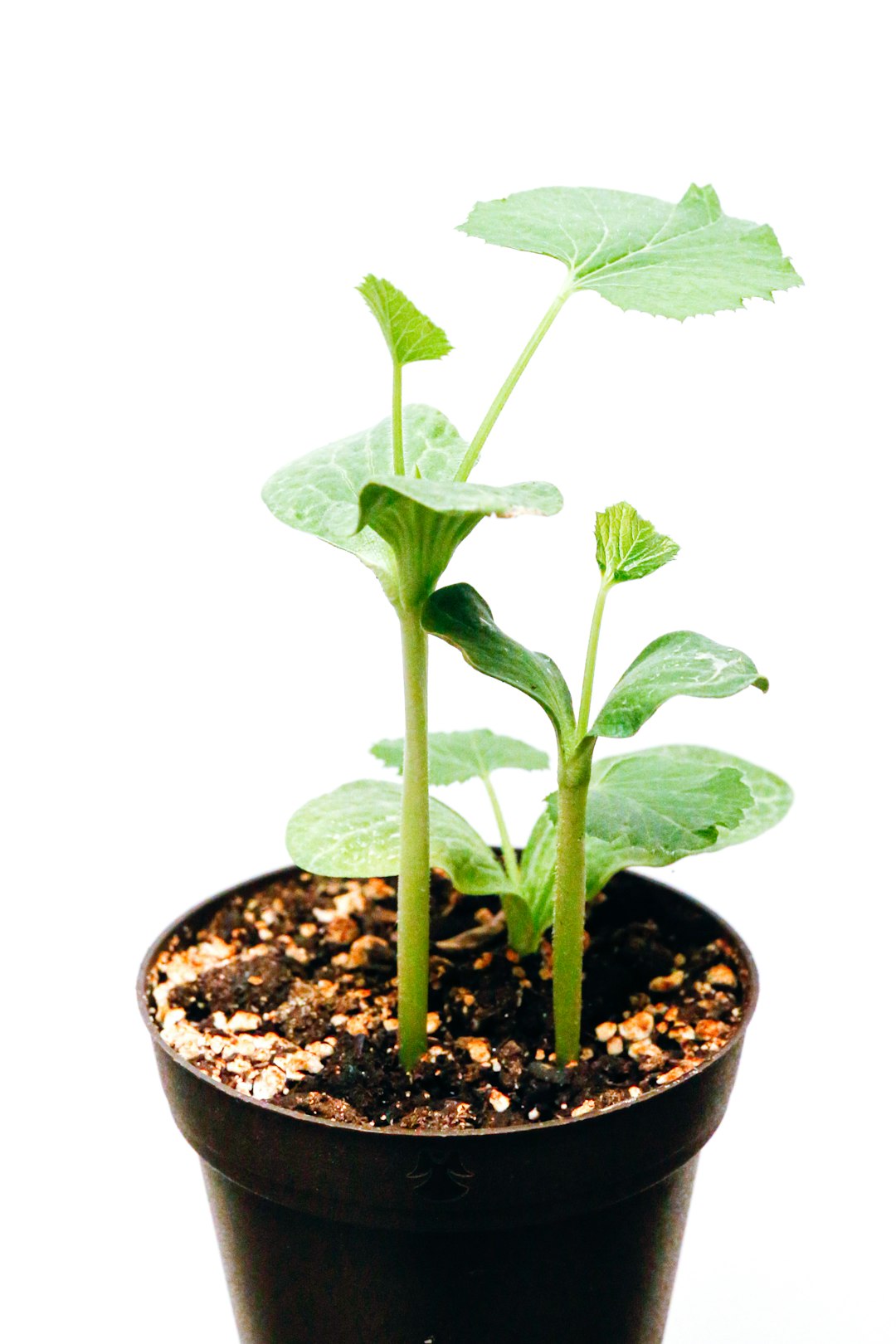
When potting, place a small layer of your chosen mix at the bottom of the pot. Center the bromeliad pup and fill around its base with the potting medium, ensuring that the pup is stable but not buried too deeply. The base of the leaves should remain above the soil line. If the pup is top-heavy, you can use stakes or decorative rocks to provide temporary support until it establishes its own root system.
Post-transplant care and establishment
After potting, the first few weeks are critical for the pup’s establishment. Lightly moisten the potting mix; avoid overwatering. For tank bromeliads, you can also add a small amount of water to the central cup (the “tank”). Place the newly potted pup in a location that receives bright, indirect light. Direct sunlight can scorch the delicate leaves of a young plant, especially one undergoing stress from transplanting.
High humidity is beneficial for bromeliad pups as they root. You can provide this by placing the pot on a pebble tray filled with water (ensuring the pot itself isn’t sitting in water) or by using a room humidifier. Maintain consistent, warm temperatures, ideally between 65-80°F (18-27°C). During this establishment phase, avoid fertilizing. Once you observe new growth, typically within a few weeks to a couple of months, it is a sign that the pup is successfully rooting and establishing itself. At this point, you can begin a very dilute feeding regimen, if desired, applied to the central cup or the potting mix, sparingly.
Transplanting bromeliad pups is an incredibly rewarding process that allows you to expand your collection and ensure the longevity of your favorite plants. We’ve covered the crucial steps, from carefully selecting robust pups ready for independence to the precise art of separation, ensuring a clean cut and proper callusing. The importance of choosing the right well-draining potting mix and an appropriately sized pot cannot be overstated, providing the ideal foundation for young roots to flourish. Finally, understanding the initial post-transplant care, focusing on indirect light, humidity, and careful watering, sets the stage for a thriving new plant. With patience and attention to these details, you will soon enjoy a vibrant new generation of bromeliads, adding a touch of tropical beauty to your home or garden for years to come. Embrace the journey; the satisfaction of nurturing these resilient plants from pup to maturity is truly unparalleled.
Image by: Angela Orenda