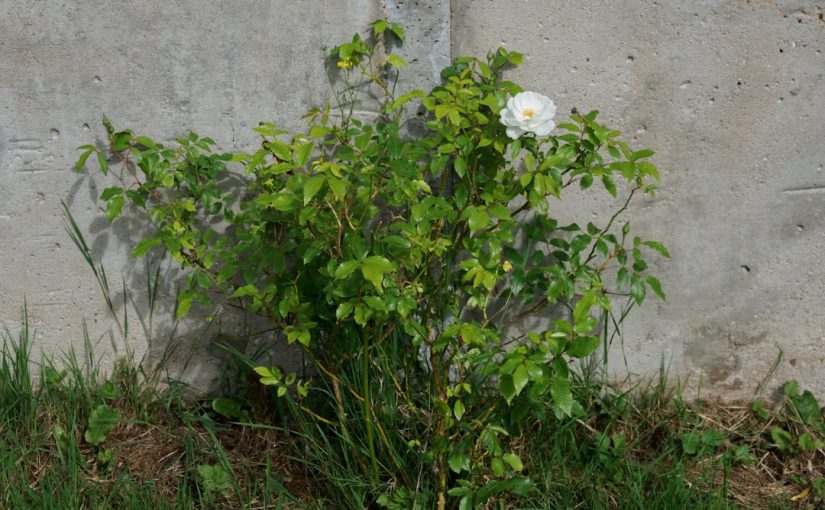
Transplanting a mature witch hazel (Hamamelis species) can seem like a daunting task, given their established root systems and sometimes substantial size. However, with careful planning, precise execution, and diligent aftercare, it is entirely possible to successfully relocate these beloved shrubs or small trees, known for their unique, spidery blooms and vibrant fall foliage. This guide will walk you through each critical step, from initial preparation to post-transplant care, ensuring your witch hazel continues to thrive in its new home. Understanding the specific needs of a mature plant during such a significant disturbance is key to minimizing stress and promoting successful re-establishment.
Planning and preparation for a successful transplant
The journey to a successful witch hazel transplant begins long before the shovel hits the soil. The most critical factor is timing: late fall after leaf drop or early spring before bud break is ideal. This period, when the plant is dormant, minimizes shock as its metabolic processes are slowed. Selecting the right new location is equally vital. Witch hazels prefer a site with full sun to partial shade, well-draining, acidic to neutral soil rich in organic matter. Ensure the spot offers ample space for its mature size, as these plants can grow quite wide.
For larger, more mature specimens, consider root pruning a year in advance. This technique encourages the development of a dense, fibrous root system closer to the trunk, which is more easily contained within a manageable root ball. To do this, use a sharp spade to cut a circle in the soil around the plant, about 18-24 inches from the trunk, severing some of the larger feeder roots. This allows new roots to form within the future root ball. Additionally, about a week before the planned transplant, thoroughly water the witch hazel, ensuring the soil around its roots is moist, which helps the root ball hold together.
The delicate art of excavation
On the day of the transplant, or the day before, give the plant another deep watering. This moist soil helps the root ball maintain its integrity during the move. Begin by marking the drip line around the witch hazel – this is generally where the plant’s roots extend. Now, start digging a wide trench outside this drip line, ensuring you give yourself plenty of room to work without damaging the main root mass. The goal is to create a root ball that is wide enough to capture a significant portion of the root system, yet small enough to be manageable.
Once the trench is established, carefully begin to undercut the root ball. Use a sharp spade to slice beneath the plant, working your way around to sever the taproot and any deep anchoring roots. The size and weight of the root ball are critical considerations; aim for a diameter of about 12 inches for every inch of trunk diameter, with a depth of at least 18-24 inches for a mature specimen. As you undercut, gently rock the plant to loosen it. Once it’s free, carefully slide a sturdy tarp or a large piece of burlap underneath the root ball. Wrap the burlap securely around the root ball, tying it with rope to keep the soil intact. This prevents the root ball from breaking apart, which can severely stress the plant.
Replanting for a strong start
With the witch hazel prepared, your attention now shifts to its new home. The planting hole should be meticulously prepared before you move the plant. Dig a hole that is at least twice as wide as the root ball, but no deeper. The goal is to provide loose, uncompacted soil for new roots to expand into horizontally. The depth is crucial: the plant should sit at the same level in the new hole as it did in its original location. The root flare, where the trunk widens at the base, should be at or slightly above the soil line.
Carefully remove the witch hazel from its transport method and gently place it into the center of the prepared hole. If the root ball is wrapped in burlap, you can leave it on (natural burlap will decompose) but be sure to cut and remove any twine or wire and fold the top edges of the burlap down into the hole. This prevents the burlap from wicking moisture away from the root ball. Begin backfilling the hole with the excavated soil, gently tamping it down to remove large air pockets. Avoid excessive compaction. Once the hole is filled, create a small soil berm around the edge of the planting area to form a watering basin. Water thoroughly and deeply, allowing the water to soak in completely, which will also help settle the soil around the roots.
Post-transplant care for lasting vigor
The period immediately following transplantation is critical for the witch hazel’s survival and establishment. Watering is paramount. For the first year, and especially during dry spells, ensure the soil around the root ball remains consistently moist, but never waterlogged. Deep, infrequent watering is generally better than shallow, frequent watering, as it encourages roots to grow deeper. A common mistake is to overwater or underwater, so monitor soil moisture regularly by feeling it a few inches down.
Applying a 2-4 inch layer of organic mulch, such as wood chips or shredded bark, around the base of the plant is highly beneficial. Keep the mulch a few inches away from the trunk to prevent rot. Mulch helps retain soil moisture, regulate soil temperature, and suppress weeds. Pruning should be minimal after transplanting; only remove any broken or dead branches. Avoid heavy structural pruning, as the plant needs all its energy to establish its root system. Monitor the plant closely for signs of stress, such as wilting or leaf scorch, and address them promptly. With proper aftercare, your transplanted witch hazel will soon flourish in its new location.
Key transplanting considerations
| Consideration | Optimal Practice |
|---|---|
| Timing | Late fall (after leaf drop) or early spring (before bud break) |
| Root pruning | 1 year prior for mature specimens (18-24 inch radius) |
| Root ball size | Approx. 12 inches diameter per 1 inch trunk diameter |
| Planting depth | Same as original, root flare at soil level |
| Watering post-transplant | Consistently moist for the first year, deep and infrequent |
Transplanting a mature witch hazel is an ambitious but rewarding endeavor that requires a methodical approach and a good deal of patience. By carefully following the outlined steps – from initial site selection and pre-transplant root pruning to the meticulous excavation of the root ball – you lay a strong foundation for success. Proper replanting, ensuring the correct depth and eliminating air pockets, is equally crucial. However, the work doesn’t end once the plant is in the ground; diligent post-transplant care, particularly consistent watering and appropriate mulching, will be the determining factor in its long-term establishment. Remember that even with the best practices, a transplanted mature plant will experience some degree of shock, so patience and observation are key to helping your beautiful witch hazel thrive in its new setting for many years to come.
Image by: Brett Jordan