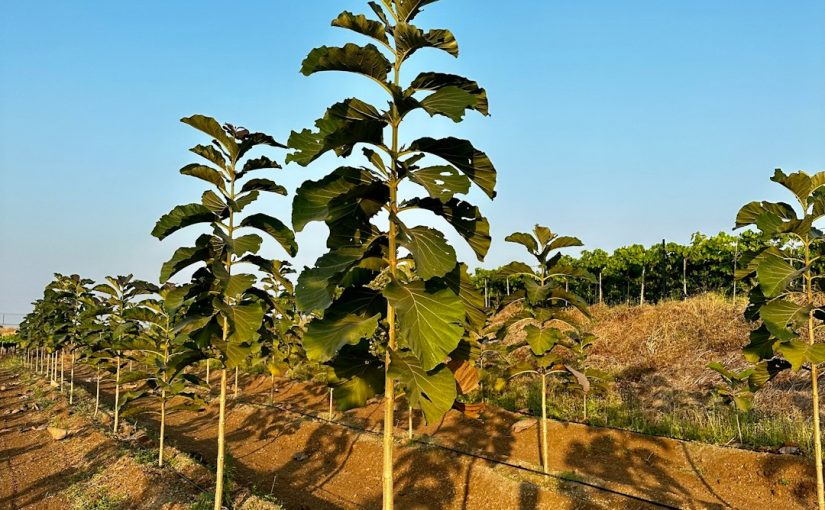
Pittosporum trees, with their glossy foliage and often fragrant flowers, are a popular choice for hedges, screens, or specimen planting in many landscapes. However, circumstances sometimes require these beautiful plants to be moved from their original location. Whether it’s due to a garden redesign, a plant outgrowing its space, or simply needing a better spot, transplanting a pittosporum can be a successful endeavor with the right approach. This guide will walk you through the essential steps, from preparing the tree and its new site to the careful process of digging and replanting, and finally, the crucial aftercare that ensures your pittosporum not only survives the move but thrives in its new environment. Understanding these stages is key to minimizing stress on the plant and maximizing its chances of establishing successfully.
Pre-transplant preparation: setting the stage for success
Successful transplanting begins long before the spade ever touches the soil. Proper preparation can significantly reduce transplant shock and improve your pittosporum’s chances of survival. The timing is paramount: the best window for transplanting pittosporum, like most trees and shrubs, is during its dormant season. This typically falls in late autumn after leaf drop, or in early spring before new growth emerges. During dormancy, the plant’s metabolic activity is at its lowest, reducing stress from root disturbance.
Next, consider the new location. Pittosporums generally prefer full sun to partial shade and well-drained soil. Observe your potential new site for a full day to assess sunlight exposure. Digging a test hole and filling it with water can help determine drainage – if water stands for more than a few hours, the site may need soil amendments to improve drainage. Ensure the new spot offers ample space for the pittosporum to grow to its mature size without crowding. Prepare the new planting hole before you even touch the tree. It should be two to three times wider than the anticipated root ball and only as deep as the root ball itself. This width allows the roots to spread easily into the loosened soil.
For larger, more established pittosporums, a technique called root pruning can be beneficial. About 6-12 months before the actual transplant, use a sharp spade to cut a circle around the tree, just inside where the final root ball will be. This severs long roots and encourages the development of a dense network of feeder roots closer to the trunk, which are vital for water and nutrient uptake post-transplant. Finally, ensure the plant is well-hydrated in the days leading up to the move. Water it deeply a day or two before you plan to dig, allowing the roots to absorb as much moisture as possible.
The delicate art of digging and moving
When it’s time to physically move your pittosporum, precision and care are critical. Begin by gathering your tools: a sharp, sturdy spade, a tarp or burlap, a wheelbarrow, and possibly some twine. The goal is to extract as much of the root system as possible while keeping the root ball intact.
First, mark a circle around the base of the tree to indicate the size of the root ball you intend to dig. A good rule of thumb is to allow for approximately 10-12 inches of root ball diameter for every inch of the tree’s trunk caliper (measured 6 inches above the ground). The depth should generally be consistent with the diameter. For instance:
| Trunk Caliper (inches) | Approximate Root Ball Diameter (inches) | Approximate Root Ball Depth (inches) |
|---|---|---|
| 1 | 10-12 | 10-12 |
| 2 | 20-24 | 16-18 |
| 3 | 30-36 | 20-24 |
Carefully begin digging a trench around this marked circle, going straight down initially. Once the trench is established, start angling your spade inwards underneath the root ball to sever deeper roots. Work your way around the tree, gradually undercutting the root ball. You’ll feel a distinct “pop” as larger roots are cut. The objective is to create a solid, undisturbed mass of roots and soil. If you encounter very large roots, you might need to use pruners to make a clean cut, rather than tearing them. Once the root ball feels loose, gently rock the tree to free any remaining anchors. Have your tarp or burlap ready to slide under the root ball. Carefully lift the entire mass onto the tarp, taking care not to let it break apart. Wrap the root ball tightly with burlap or a sheet and secure it with twine to protect it during transport to the new hole. Minimize the time the root ball is exposed to air.
Planting your pittosporum in its new home
With the pittosporum’s root ball safely transported to its new location, the next step is planting, which requires careful attention to detail to ensure proper establishment. Before placing the tree in the prepared hole, take a moment to inspect the root ball. Gently loosen any circling or matted roots on the outside edges, as these can continue to girdle the tree as it grows. If any roots are damaged or broken, make clean cuts with sharp pruners.
Position the pittosporum in the center of the planting hole. The most crucial aspect here is to ensure the root collar—the point where the trunk flares out and meets the roots—is at or slightly above the surrounding soil level. Planting too deep is a common mistake and can lead to suffocation and decline. You can use a shovel handle placed across the hole to gauge the correct depth. Once the tree is at the proper height, begin backfilling the hole with the native soil you excavated. Avoid adding excessive amendments to the backfill unless your soil is exceptionally poor; mixing amendments can create an undesirable “pot effect,” discouraging roots from venturing into the surrounding native soil.
As you backfill, gently tamp the soil around the root ball to eliminate large air pockets, which can dry out roots. Do not compact the soil too firmly, as this can impede root growth and water penetration. Once the hole is about two-thirds full, give the tree a thorough watering. This helps settle the soil around the roots and removes any remaining air pockets. Finish backfilling and water again until the soil is moist but not waterlogged. Create a small berm or basin around the edge of the planting area to help retain water directly over the root zone, directing moisture towards the newly established roots.
Post-transplant care: nurturing for survival
The success of your transplanted pittosporum doesn’t end once it’s in the ground; the period immediately following transplanting, and indeed the entire first year, is crucial for its survival and establishment. Consistent and appropriate aftercare will significantly impact how well your plant recovers from the shock of relocation.
Watering is perhaps the most critical component of post-transplant care. Newly transplanted trees need regular and deep watering to help their root systems establish. Initially, you may need to water every few days, especially during dry or hot periods. The goal is to keep the soil consistently moist, but never soggy. Check the soil moisture by hand, feeling a few inches down. As the plant settles in and shows signs of new growth, you can gradually reduce the frequency of watering, encouraging the roots to seek out moisture deeper in the soil. However, even after the first few months, continue to monitor for drought stress, particularly in the first year.
Apply a 2-4 inch layer of organic mulch, such as wood chips or shredded bark, over the entire planting area, keeping it a few inches away from the trunk. Mulch helps conserve soil moisture, regulates soil temperature, and suppresses weeds that compete for water and nutrients. Pruning after transplanting should be minimal. Only remove any broken or damaged branches. Resist the urge to prune extensively to “balance” the top growth with the reduced root system; this can actually stress the plant further. Allow the plant to focus its energy on root regeneration. Avoid fertilizing your pittosporum immediately after transplanting. Its priority is root establishment, not vigorous shoot growth. Wait until you see clear signs of new growth, typically in the next growing season, before applying a balanced, slow-release fertilizer. Regularly inspect your pittosporum for any signs of pests or diseases, addressing issues promptly to prevent further stress on the vulnerable plant.
Transplanting a pittosporum tree, while a significant undertaking, is entirely achievable with careful planning and execution. We’ve explored the importance of choosing the right time of year, meticulously preparing both the tree and its new environment, and carrying out the delicate process of digging and replanting. From accurately estimating the root ball size to ensuring the root collar is at the correct depth, each step plays a vital role in minimizing transplant shock. The journey doesn’t conclude with planting; diligent aftercare, including consistent watering, appropriate mulching, and thoughtful monitoring, is paramount for success. Patience and observation are your best tools in the months following the move. By adhering to these guidelines, you provide your pittosporum with the best possible chance to not only survive the relocation but to flourish and become a vibrant, enduring feature in its new landscape, rewarding your efforts with its continued beauty.
Image by: Akshay Janjire