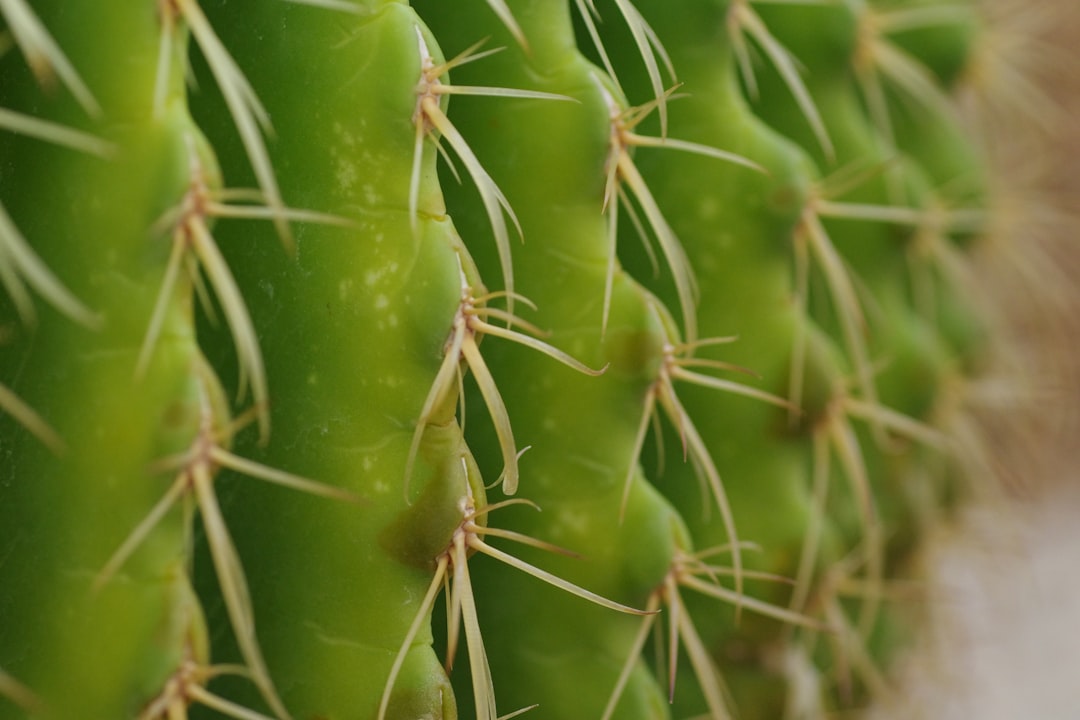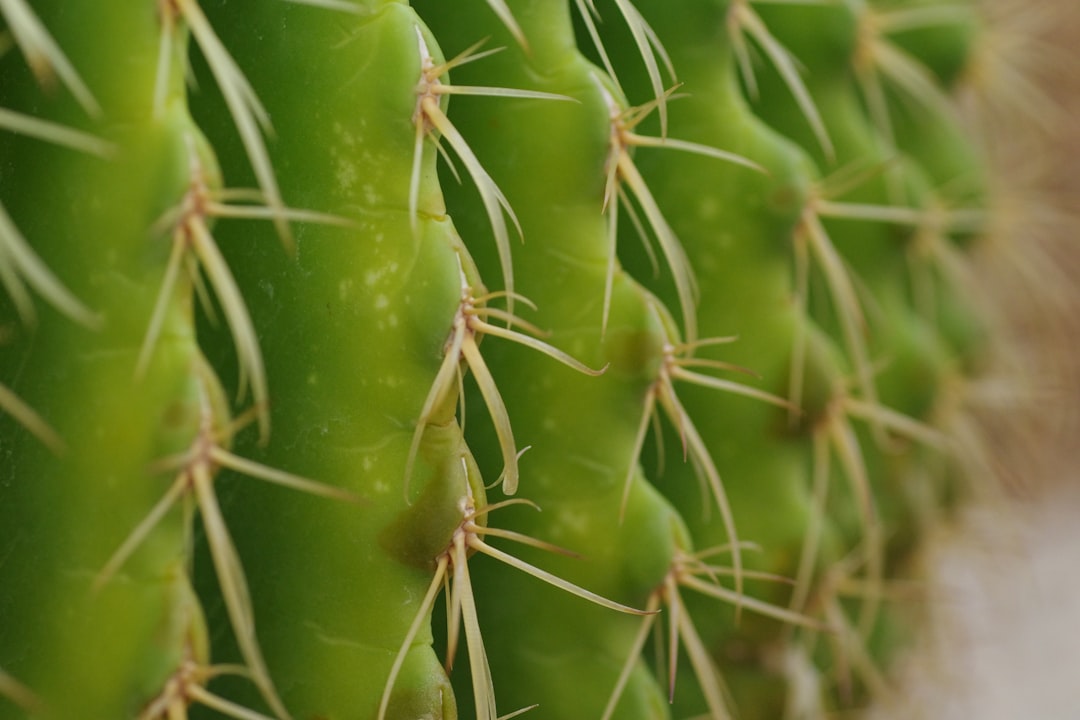
Dragon fruit, or pitaya, is a fascinating cactus known for its exotic fruit and striking appearance. While generally robust, these unique plants are not immune to problems, with stem rot being one of the most disheartening issues for growers. This condition can quickly turn a vibrant, healthy stem into a mushy, dying segment, threatening the entire plant if left untreated. Understanding how to identify, address, and prevent stem rot is crucial for anyone cultivating this tropical gem. From the tell-tale signs of initial infection to long-term care strategies, this guide will provide comprehensive insights into combating dragon fruit stem rot, ensuring your plant continues to thrive and produce its much-loved fruit.
Identifying the symptoms and causes of stem rot
Before any treatment can begin, accurately identifying stem rot and understanding its underlying causes is paramount. Dragon fruit stem rot often manifests as soft, mushy, and discolored areas on the stems, typically starting from the base or points of injury. These spots can range in color from brown to black, sometimes accompanied by a foul, decaying odor, especially in advanced stages of bacterial infection. Early detection is key to successful treatment, as the rot can spread rapidly throughout the plant.
The primary causes of stem rot in dragon fruit are often environmental and pathological:
- Overwatering: This is by far the most common culprit. Dragon fruit are cacti and prefer drier conditions. Constantly saturated soil deprives roots of oxygen, creating an anaerobic environment perfect for rot-causing pathogens.
- Poor drainage: Heavy, compacted soils or pots without adequate drainage holes exacerbate overwatering issues, leading to waterlogging around the stems and roots.
- Fungal and bacterial pathogens: Various microorganisms, such as species of Fusarium, Rhizoctonia, and Erwinia, are opportunistic and thrive in damp, warm conditions. They can enter the plant through wounds, cuts, or directly infect weakened tissue.
- High humidity and poor air circulation: While dragon fruit enjoys warmth, excessively humid environments coupled with stagnant air can create a microclimate conducive to fungal and bacterial growth on plant surfaces.
- Physical damage: Injuries from pests, tools, or environmental factors (like frost) can create open wounds, serving as entry points for pathogens.
Here’s a quick overview of symptoms and their potential causes:
| Symptom Category | Specific Signs | Potential Causes |
|---|---|---|
| Visible damage | Soft, mushy, discolored (brown/black) stems | Fungal/bacterial infection, overwatering |
| Texture change | Water-soaked appearance, sliminess | Bacterial infection, severe overwatering |
| Smell | Foul or decaying odor | Advanced bacterial rot |
| Plant health | Wilting, stunted growth, plant collapse | Root rot, severe stem rot affecting nutrient uptake |
Immediate steps for treatment and damage control
Once stem rot is identified, swift action is crucial to prevent its spread and save your dragon fruit plant. The treatment approach depends on the severity and location of the rot.
- Pruning affected areas: This is often the first and most critical step. Using a sharp, sterilized knife or pruning shears, carefully cut away all visible signs of rot. It is imperative to cut back to healthy, green tissue, even if it means removing a significant portion of the stem. Sterilize your tools with rubbing alcohol or a bleach solution before each cut to avoid spreading the pathogens to healthy parts of the plant.
- Applying a fungicide or bactericide: After pruning, treating the fresh cuts and surrounding areas can help prevent reinfection.
- For fungal rot, a copper-based fungicide or a broad-spectrum fungicide can be applied according to product instructions.
- For suspected bacterial rot, diluted hydrogen peroxide (e.g., 3% solution mixed 1:1 with water) can be used to sterilize the wound. Neem oil is another natural option that has some antifungal and antibacterial properties.
- Allow the cut surfaces to callous over in a dry, well-ventilated area before exposing them to excessive moisture.
- Improving aeration and drainage: If the plant is in a pot, immediately assess the soil and drainage. Remove any standing water from saucers. If the soil is waterlogged and heavy, consider carefully repotting the plant into a fresh, well-draining cactus mix. For in-ground plants, try to improve soil structure by adding perlite, coarse sand, or organic matter to enhance drainage, or consider creating a raised bed.
- Reducing humidity and improving airflow: Move potted plants to an area with better air circulation. For plants in a greenhouse or enclosed space, use fans to increase air movement and reduce humidity levels. Pruning dense surrounding foliage (not related to the dragon fruit plant itself) can also help improve localized airflow.
Long-term prevention strategies for a healthy dragon fruit plant
Treating existing stem rot is only part of the battle; establishing robust long-term prevention strategies is essential for the sustained health of your dragon fruit. Proactive care significantly reduces the risk of future infections and promotes vigorous growth.
- Proper watering techniques: This is the cornerstone of prevention.
- Water deeply but infrequently: Allow the top few inches of soil to dry out completely between waterings.
- Check soil moisture: Use your finger or a moisture meter to assess soil dryness before watering.
- Avoid overhead watering: Water at the base of the plant to prevent prolonged moisture on stems and fruit, which can encourage fungal growth.
- Consider the season: Reduce watering significantly during cooler months or dormant periods.
- Optimizing soil and drainage: Ensure your dragon fruit is planted in a medium that drains exceptionally well.
- For potted plants, use a specialized cactus and succulent mix, or amend regular potting soil with perlite, coarse sand, or coco coir (up to 30-50% of the mix).
- For in-ground plants, choose elevated planting sites or construct raised beds if your native soil is heavy clay. Incorporate plenty of organic matter and gritty amendments to improve soil structure.
- Always use pots with ample drainage holes.
- Sanitation and hygiene:
- Always sterilize pruning tools before and after use to prevent the spread of pathogens.
- Promptly remove any fallen leaves, fruit, or dead plant material from around the base of the plant. These can harbor pests and diseases.
- Appropriate spacing and air circulation: When planting multiple dragon fruit, ensure adequate spacing between them. This allows for good air movement, which helps dry out moisture on the plant surfaces and reduces humidity around the stems.
- Nutrient management: A healthy plant with a strong immune system is more resistant to disease. Provide a balanced, slow-release fertilizer during the growing season. Avoid excessive nitrogen, which can lead to lush, soft growth more susceptible to rot.
When to seek professional advice and advanced solutions
While many cases of dragon fruit stem rot can be successfully managed with diligent home care, there are instances where professional intervention or more advanced solutions may be necessary. Knowing when to escalate your treatment approach can be crucial for the survival of your plant, especially if you are a commercial grower or have a particularly valuable specimen.
Consider seeking expert advice if:
- Home remedies fail: If, despite your best efforts with pruning, fungicide application, and environmental adjustments, the rot continues to spread or recurs frequently, it might indicate a more aggressive pathogen or an underlying issue you haven’t identified.
- Widespread infection: When multiple stems or a significant portion of your dragon fruit collection is affected, a professional plant pathologist can offer a more accurate diagnosis and recommend systemic treatments that might not be available or suitable for a home gardener.
- Uncertain diagnosis: Sometimes, symptoms can be ambiguous, or you might suspect a different disease altogether. A professional can conduct lab tests to identify the specific pathogen (fungal, bacterial, or even viral) causing the rot, leading to a targeted and effective treatment plan.
- Commercial cultivation: For growers whose livelihood depends on their dragon fruit crop, early and accurate diagnosis by an agricultural extension service or a plant health specialist can prevent substantial financial losses. They can advise on integrated pest management (IPM) strategies that encompass chemical, biological, and cultural controls.
Advanced solutions might include:
- Systemic fungicides or bactericides: These products are absorbed by the plant and move throughout its tissues, offering protection from within. They are often more potent than contact sprays and typically require a prescription or licensed applicator.
- Biological controls: In some cases, beneficial microorganisms can be introduced to suppress disease-causing pathogens in the soil or on the plant.
- Soil sterilization: For severe, recurrent issues in an in-ground bed, soil sterilization (e.g., solarization or chemical fumigation) might be considered, though this is usually a last resort for commercial settings due to its complexity and potential environmental impact.
In essence, don’t hesitate to consult with local agricultural experts or plant nurseries if you feel overwhelmed or if the problem persists. Their specialized knowledge can provide a lifeline for your struggling dragon fruit.
Treating dragon fruit stem rot effectively demands a blend of careful observation, timely action, and consistent preventative care. From recognizing the early signs of mushy, discolored stems to understanding the critical role of proper watering and drainage, each step contributes to your plant’s recovery and future health. Immediate actions like precise pruning and targeted fungicide application are vital for halting the spread of infection, while long-term strategies, including optimal soil composition, good air circulation, and vigilant sanitation, form the bedrock of disease prevention. Ultimately, the resilience of your dragon fruit plant hinges on your proactive engagement and commitment to its well-being. By implementing these guidelines, you can safeguard your plant against stem rot, ensuring it continues to thrive and bless your garden with its unique beauty and delicious fruit for many seasons to come. Stay observant, stay diligent, and enjoy the rewards of a healthy dragon fruit harvest.
Image by: Naoki Suzuki