Succulents are beloved for their unique beauty and perceived resilience, often thriving with minimal fuss. However, even these drought-tolerant wonders are not immune to problems, with fungal infections being a particularly vexing challenge for many growers. From unsightly spots to more serious issues like root rot, fungi can quickly compromise the health and aesthetic appeal of your cherished succulents. Understanding how these microscopic invaders take hold and, more importantly, how to effectively combat them, is crucial for maintaining a vibrant collection. This comprehensive guide will delve into identifying common fungal diseases, exploring their underlying causes, and outlining practical treatment strategies to restore your succulents to their former glory, ensuring they continue to thrive for years to come.
Identifying the fungal culprit
The first step in treating any succulent ailment is accurate identification. Fungal infections manifest in various ways, and recognizing the specific symptoms can guide your treatment approach. One common adversary is powdery mildew, which appears as white, powdery patches on leaves and stems, often leading to distorted growth or stunted development. Another frequent issue is black spot or other leaf spots, characterized by dark, sunken lesions that can be black, brown, or reddish, sometimes with a yellow halo. These spots are particularly prevalent in humid conditions or when water sits on foliage.
More insidious, and often a death sentence if not caught early, is root rot. While not a fungus itself, root rot is typically caused by various fungal pathogens that thrive in excessively wet, anaerobic soil conditions. Symptoms include a mushy, discolored stem, yellowing and dropping leaves, and a general collapse of the plant, often starting from the base. Inspecting the roots would reveal soft, brown, and decaying tissue instead of firm, white roots. Lastly, some succulents might experience rust, presenting as small, raised, reddish-brown pustules on leaves, which, when touched, release powdery spores.
To aid in identification, consider this table outlining common fungal issues and their characteristics:
| Fungal disease | Common symptoms | Typical location |
|---|---|---|
| Powdery mildew | White, flour-like coating; distorted leaves | Leaves, stems |
| Black spot/Leaf spot | Dark, sunken spots (black, brown, red); yellowing tissue | Leaves |
| Root rot | Mushy stem/leaves; plant collapse; foul odor | Below soil line (roots, lower stem) |
| Rust | Raised, reddish-brown pustules; powdery spores | Leaves |
Understanding the root causes of fungal infection
Fungi don’t just appear out of nowhere; they proliferate when environmental conditions are favorable. For succulents, which naturally prefer arid climates, the primary catalyst for most fungal infections is excessive moisture. Overwatering is undoubtedly the number one culprit, as constantly damp soil creates an ideal breeding ground for fungal spores. This is exacerbated by poor drainage, whether from using a pot without drainage holes or a potting mix that retains too much water. Standard garden soil or even many general-purpose potting mixes are often too dense for succulents, compacting and holding moisture for too long.
Beyond the soil, high ambient humidity and poor air circulation also play significant roles. Stagnant, moist air allows spores to settle on plant surfaces and germinate, leading to leaf spots and powdery mildew. Plants packed too closely together, especially indoors or in enclosed spaces, are particularly vulnerable. Furthermore, weak or stressed succulents are more susceptible to infection. Factors like insufficient light, nutrient deficiencies, or even physical damage can weaken a plant’s natural defenses, making it an easier target for opportunistic fungi. Contaminated tools or reused soil can also introduce pathogens, making sanitation an often-overlooked preventative measure.
Practical steps for treating existing fungal infections
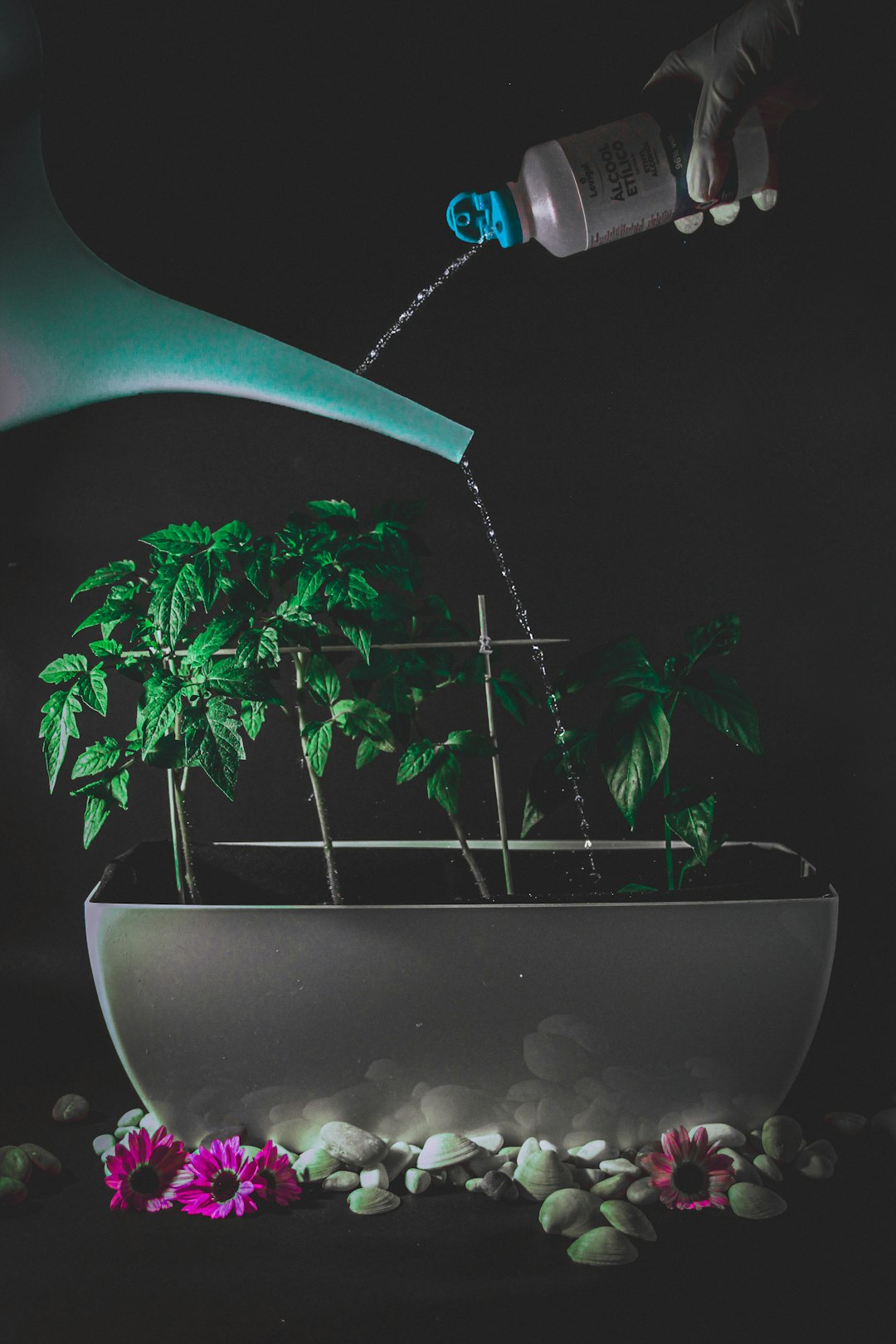
Once you’ve identified a fungal infection, swift and decisive action is crucial. The first step for any affected plant is isolation. Move the infected succulent away from healthy plants immediately to prevent the spread of spores. For localized infections like powdery mildew or leaf spots, pruning affected leaves or stems is often effective. Use sterile pruning shears or a sharp knife (sterilize with rubbing alcohol between cuts) to remove all visibly infected parts, cutting well into healthy tissue. Dispose of the infected material away from your garden or compost pile.
For more severe cases, especially root rot, a complete overhaul is necessary. Carefully unpot the succulent and gently remove as much of the old soil as possible. Inspect the roots thoroughly; any mushy, black, or brown roots should be pruned away until only firm, healthy, white roots remain. Allow the cleaned plant to air dry for several days, letting any cuts callous over. Repot it into a clean pot with fresh, well-draining succulent-specific potting mix. If using the old pot, sterilize it with a bleach solution (1 part bleach to 9 parts water) before reuse.
In terms of treatments, natural options like neem oil can be effective for mild surface fungi, acting as both a fungicide and an insect deterrent. Mix according to package directions and apply as a foliar spray. For more persistent infections, consider commercial fungicides. There are various types, including copper-based, sulfur-based, and synthetic broad-spectrum fungicides. Always read and follow the product instructions carefully, paying attention to application rates, frequency, and safety precautions. A systemic fungicide might be necessary for deeply entrenched infections, but these should be used judiciously.
Prevention is key: Long-term strategies for succulent health
While treating existing fungal issues is vital, preventing their recurrence is the cornerstone of long-term succulent health. The most critical preventative measure is mastering proper watering techniques. Succulents prefer a “drench and dry” approach: water thoroughly until it drains from the bottom, then allow the soil to dry out completely before watering again. The frequency will depend on factors like climate, pot size, and succulent type. Always err on the side of underwatering rather than overwatering. Consider bottom watering, where you let the pot sit in water for 15-30 minutes, allowing the soil to wick up moisture without wetting the leaves.
Equally important is using the right potting mix and containers. Opt for a well-draining soil specifically formulated for succulents and cacti, typically a gritty mix containing pumice, perlite, or coarse sand. Ensure all pots have drainage holes; terracotta pots are excellent choices as they allow for better airflow and evaporation. Provide adequate light, as healthy, sun-stressed succulents are more resilient. Most succulents thrive in bright, indirect light for at least 6 hours a day, with some tolerating direct sun. Indoors, this often means supplemental grow lights.
Finally, promote good air circulation around your plants. Avoid overcrowding, especially in enclosed spaces, and use a small fan if necessary to move air, particularly in humid environments. Regular sanitation, such as removing fallen leaves and debris, and sterilizing tools, will also minimize the presence of fungal spores. By cultivating an environment that mimics their natural arid habitats, you empower your succulents to resist fungal pathogens and thrive with minimal intervention.
Effectively treating fungus on succulents requires a keen eye for early detection, an understanding of the underlying environmental triggers, and a commitment to consistent, preventative care. We’ve explored how to identify common fungal diseases like powdery mildew, black spot, and root rot by recognizing their distinct symptoms. Crucially, we’ve highlighted that overwatering, poor drainage, high humidity, and inadequate air circulation are the primary culprits behind most infections, emphasizing the importance of creating a dry, well-ventilated environment. Practical treatment steps range from immediate isolation and meticulous pruning of affected parts to complete repotting and the judicious use of fungicides when necessary.
However, the journey to healthy succulents doesn’t end with treatment; prevention is the ultimate goal. By adopting proper watering habits, utilizing well-draining soil and pots, ensuring ample light and air circulation, and maintaining good plant hygiene, you can significantly reduce the risk of future fungal outbreaks. Remember, a thriving succulent is often a happy succulent, and happiness, in their world, means dryness and plenty of sun. By integrating these strategies, you equip your succulents with the best defense, allowing them to flourish and bring continued joy to your home or garden.
Image by: Mor Shani