Dealing with stubborn tree stumps can be one of the most frustrating aspects of land management or yard work. Whether you’ve just felled a troublesome tree or inherited an unsightly obstacle, removing a stump completely can seem like an insurmountable task. While mechanical removal is an option, it’s often costly and labor-intensive. This is where chemical solutions like Tordon Stump Killer come into play. Tordon, a potent herbicide, offers an effective way to eliminate unwanted stumps, preventing regrowth and accelerating decay. However, its power necessitates careful and informed application. This article will guide you through the process, from understanding Tordon’s properties to safe and effective application techniques, ensuring you can reclaim your landscape with confidence.
Understanding Tordon stump killer and safety first
Before you even think about applying Tordon Stump Killer, it’s crucial to understand what you’re working with and, most importantly, the necessary safety precautions. Tordon, specifically formulations like Tordon RTU (Ready-To-Use), contains picloram, a highly effective and persistent active ingredient. Picloram is a systemic herbicide, meaning it’s absorbed by the plant and translocated throughout its system, ultimately killing the roots and preventing regrowth. Its persistence makes it very powerful for stump elimination, but also means it can affect desirable plants if misused.
Safety must be your absolute top priority. Always wear appropriate personal protective equipment (PPE), which includes:
- Chemical-resistant gloves: To protect your hands from direct contact.
- Eye protection: Safety glasses or goggles are essential to prevent splashes.
- Long-sleeved shirt and long pants: To minimize skin exposure.
- Closed-toe shoes: To protect your feet.
Ensure you read the product label thoroughly before use. The label provides specific instructions, warnings, and first aid information unique to your Tordon product. Avoid using Tordon near water sources, wells, or areas where the roots of desirable trees or shrubs might extend, as picloram can leach into the soil and cause damage. Proper ventilation is also advised, especially if working in a confined space.
Preparing the stump for treatment
Effective application of Tordon Stump Killer begins with proper stump preparation. The goal is to create the best possible conditions for the herbicide to be absorbed and translocated throughout the root system. A freshly cut stump is ideal because the tree’s vascular system is still active, allowing for maximum absorption of the chemical.
Here’s how to prepare your stump:
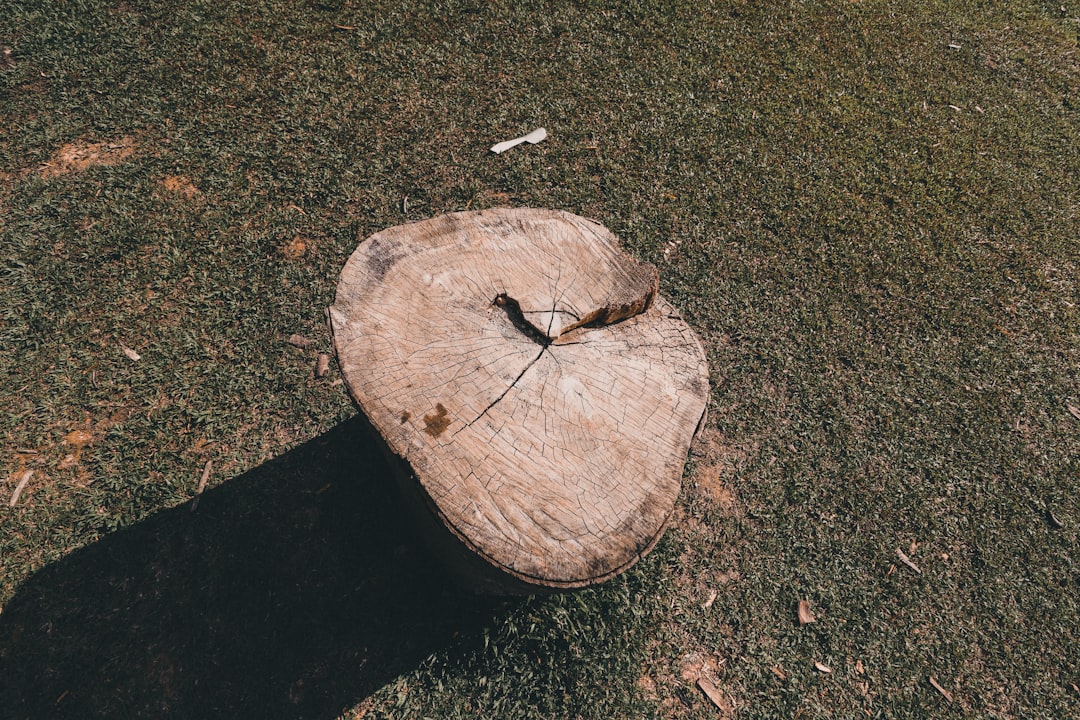
- Freshly cut the stump: If the tree was cut down a while ago, make a fresh cut across the top of the stump. This exposes the living cambium layer, which is the most active part for herbicide absorption. Aim for a level cut about an inch or two above ground level.
- Remove debris: Clear away any sawdust, soil, leaves, or other debris from the top and sides of the stump. A clean surface ensures direct contact between the Tordon and the wood.
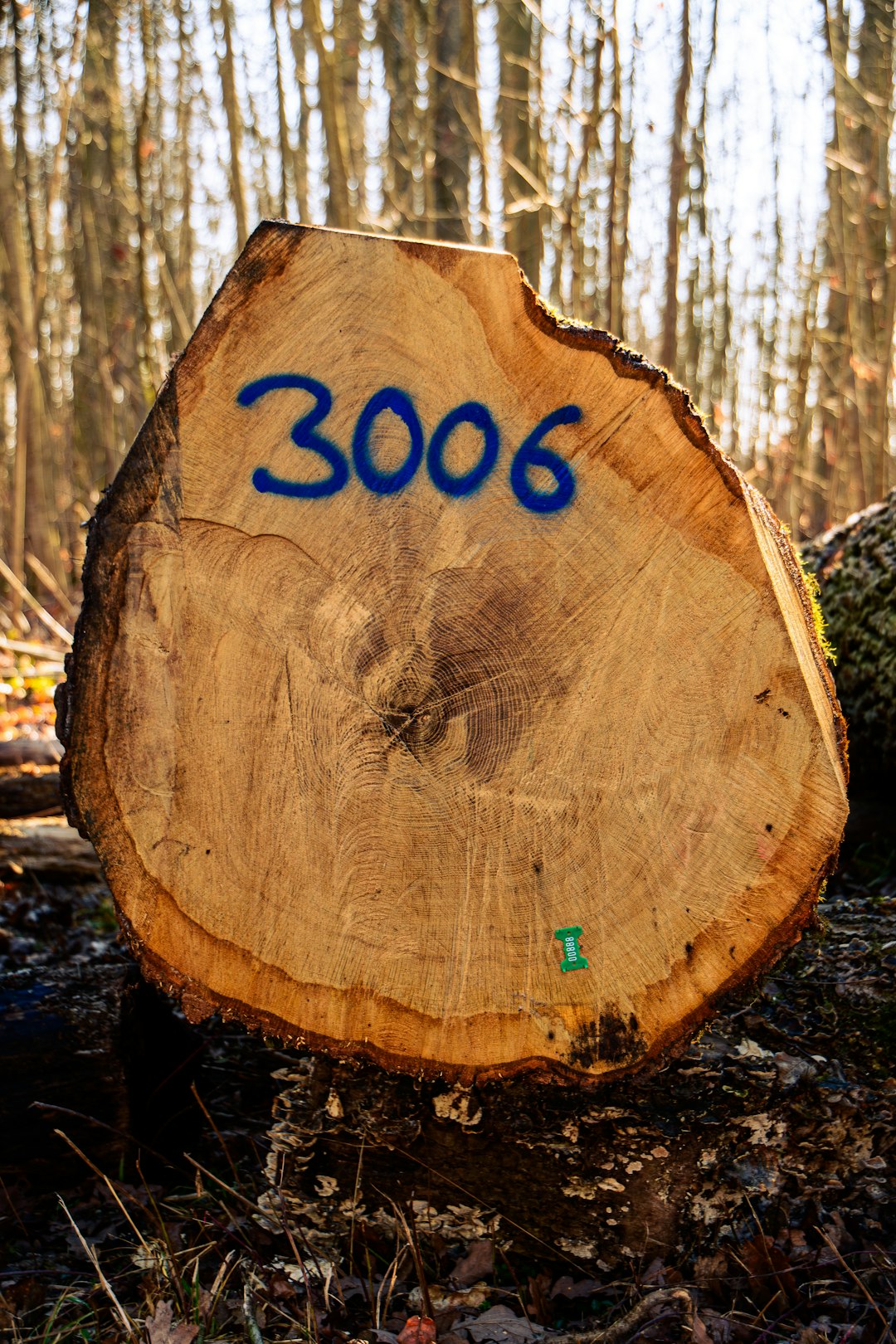
- Identify the cambium layer: This is the thin, usually lighter-colored ring just inside the bark. It’s the primary pathway for the herbicide to enter the tree’s vascular system and reach the roots. This area is critical for successful treatment.
If you cannot make a fresh cut, you can still treat an older stump, but you might need to use a drill to create pathways for the herbicide, which we’ll discuss in the next section. However, a fresh cut is always preferred for optimal results.
Applying Tordon stump killer effectively
Once your stump is prepared, it’s time for the application of Tordon Stump Killer. There are two primary methods, depending on the stump’s condition and size. Always apply Tordon within a few minutes of making a fresh cut for the best efficacy, as the absorption capacity decreases rapidly as the cut surface dries.
Here are the common application methods:
- For freshly cut stumps (paint method):
- Focus on the cambium layer: Carefully apply Tordon to the entire exposed cambium layer, which is the outer ring of the stump, just inside the bark. This is where the most active nutrient transport occurs.
- Cover the entire surface for larger stumps: For stumps larger than 6 inches in diameter, it’s often recommended to also treat the outer few inches of the exposed heartwood, extending inwards from the cambium.
- Use a brush or squirt bottle: Apply a liberal, but not excessive, amount of Tordon, ensuring good coverage. The product should be visible but not dripping excessively off the stump.
- For older or larger stumps (drill-hole method):
- Drill holes: Using a drill bit (e.g., 1/2 to 1 inch in diameter), drill holes around the perimeter of the stump. Make the holes about 1 to 2 inches from the bark and spaced 3 to 4 inches apart. Drill downwards at a slight angle, about 2-3 inches deep, ensuring the holes are within the cambium and outer heartwood area.
- Fill the holes: Carefully fill each drilled hole with Tordon Stump Killer until it’s nearly full. The herbicide will then slowly seep into the stump’s vascular system.
Here’s a general guideline for Tordon RTU application, always referring to your product label for precise instructions:
| Stump Diameter | Fresh Cut Application | Drill Hole Application (for older/larger stumps) |
|---|---|---|
| < 4 inches | Paint cambium ring thoroughly | Not typically needed, fresh cut method preferred |
| 4-8 inches | Paint cambium ring and outer 1-2 inches of heartwood | 3-5 holes, fill with Tordon |
| > 8 inches | Paint entire surface, especially cambium and outer heartwood | 5-8+ holes, fill with Tordon, more holes for larger stumps |
Note: These are general guidelines. Always consult the specific product label for the most accurate dosage and application instructions for your Tordon formulation.
Post-application care and ongoing monitoring
After applying Tordon Stump Killer, your work isn’t quite done. Understanding what to expect and how to monitor the stump’s decay is important for ensuring the treatment’s success and managing your landscape responsibly. Tordon works systemically and gradually, so don’t expect immediate results. The stump won’t vanish overnight, but the herbicide will progressively kill the root system and prevent any new growth.
Here’s what to do and expect:
- Observe for regrowth: Keep an eye on the stump and surrounding area for any signs of sprouts or suckers emerging from the roots. If you see regrowth, it might indicate that the initial application wasn’t entirely successful, and a follow-up spot treatment might be necessary.
- Natural decay: Over time, typically several months to a year or more, the treated stump will begin to decay. You might notice the wood softening, cracking, and becoming more porous. This natural process can be accelerated by environmental factors like moisture and fungal activity. Some people choose to inoculate the stump with decay fungi or cover it with soil and mulch to encourage faster breakdown, but Tordon’s primary role is to kill the stump, not decompose it.
- Environmental considerations: Remember that picloram, Tordon’s active ingredient, can persist in the soil for an extended period. Avoid planting new trees or desirable shrubs directly on top of or immediately adjacent to a treated stump for at least a year, or longer, as indicated on the product label. This prevents potential root uptake by new plants. Prevent runoff of the herbicide into water bodies or areas with desirable vegetation.
- Clean up: Properly clean your application tools and dispose of any remaining Tordon or empty containers according to the product label’s instructions and local regulations.
By following these steps, you allow Tordon to work effectively while minimizing any potential risks to your surrounding environment. Patience is key, as stump decay is a process that unfolds over time.
Successfully tackling a stubborn tree stump with Tordon Stump Killer is a rewarding process that reclaims your outdoor space and prevents unwanted regrowth. We’ve navigated the essential steps, from understanding Tordon’s powerful picloram ingredient and prioritizing rigorous safety measures, to preparing the stump for optimal absorption, applying the herbicide effectively through fresh-cut or drill-hole methods, and finally, monitoring the gradual decay and exercising environmental caution. The key takeaway is that Tordon is an incredibly effective tool when used precisely and responsibly. Always refer to your product’s specific label for the most accurate instructions, and never compromise on personal protective equipment. By arming yourself with this knowledge and following these guidelines, you can confidently eliminate those persistent stumps, paving the way for a healthier, more aesthetically pleasing landscape without the hassle and expense of mechanical removal. Reclaim your yard, one treated stump at a time.