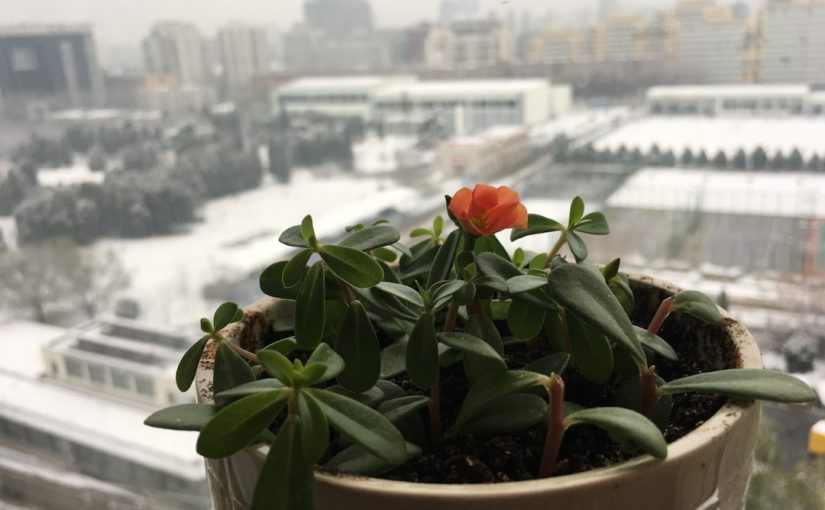
<p>Fuchsias, with their vibrant, bell-shaped flowers, are a beloved addition to many gardens, gracing hanging baskets, containers, and borders throughout the warmer months. However, as autumn leaves begin to fall and the chill of winter approaches, many gardeners wonder how to protect these beautiful plants from the colder temperatures. Proper winterization is crucial for ensuring your fuchsias not only survive the dormant season but also return with renewed vigor and spectacular blooms year after year. Whether you grow tender varieties that need indoor shelter or hardier types that can brave milder outdoor conditions, understanding the right techniques for preparing, storing, and caring for your fuchsias through winter is key to their long-term health and success. This guide will walk you through everything you need to know.</p>
<h2>Understanding fuchsia types and their winter needs</h2>
<p>Fuchsias are broadly categorized into two main types: hardy and tender. Recognizing which type you have is the first critical step in developing an effective winterization strategy. <em>Hardy fuchsias</em>, often perennial shrubs in temperate zones (USDA Zones 6-9, sometimes 5 with protection), can typically withstand significant cold, often dying back to the ground but regenerating from their woody base in spring. Varieties like ‘Riccartonii’ or ‘Mrs. Popple’ are common examples. These usually require less drastic measures, often just a protective mulch layer. In contrast, <em>tender fuchsias</em>, which include most of the showy, large-flowered varieties grown in hanging baskets and pots (e.g., ‘Gartenmeister Bonstedt’ or ‘Swingtime’), are typically frost-sensitive. They originate from tropical and subtropical regions and will not survive freezing temperatures outdoors. For these, bringing them indoors or into a frost-free environment is essential. Some fuchsias are also considered <em>half-hardy</em>, meaning they can tolerate a light frost but will not survive prolonged freezes. Knowing your fuchsia’s specific hardiness zone and variety will dictate whether you’ll be mulching, lifting, or relocating. Always check the plant tag or research your specific cultivar for optimal results.</p>
<h2>Preparing fuchsias for their dormant season</h2>
<p>Once you’ve identified your fuchsia type, the next step involves preparing them for their winter rest. This process usually begins in late autumn, before the first hard frost. A crucial initial step is <strong>pruning</strong>. For tender fuchsias destined for indoor storage, prune them back by about one-third to one-half. Remove any dead, diseased, or crossing branches, and trim off spent flowers and seed pods. This reduces the plant’s overall size, making it more manageable for indoor spaces, and minimizes potential hiding spots for pests. For hardy fuchsias, wait until spring to prune away dead top growth, as the dormant stems can offer some protection to the crown during winter. Another vital aspect is <strong>reducing watering</strong>. As temperatures drop and light diminishes, fuchsias naturally slow their growth and require less moisture. Gradually decrease watering frequency to allow the soil to dry out somewhat between waterings. This signals to the plant that dormancy is approaching and helps prevent root rot during storage. Finally, perform a thorough <strong>pest inspection</strong>. Before bringing any tender fuchsias indoors, meticulously check for aphids, spider mites, whiteflies, and other hitchhikers. Treat any infestations immediately with an insecticidal soap or horticultural oil to prevent them from spreading to other houseplants. A clean start is vital for a healthy winter.</p>
<h2>Optimal winter storage methods</h2>
<p>The method you choose for winter storage will largely depend on your fuchsia’s hardiness and the resources available to you. For <em>tender fuchsias</em>, the goal is a cool, dark, and frost-free environment.</p>
<table>
<thead>
<tr>
<th>Storage Method</th>
<th>Description</th>
<th>Ideal Conditions</th>
<th>Care During Winter</th>
</tr>
</thead>
<tbody>
<tr>
<td><strong>Cool, Bright Indoors</strong></td>
<td>For a slightly less dormant approach. Treat as a houseplant.</td>
<td>50-60°F (10-15°C), good indirect light.</td>
<td>Water sparingly when soil is dry. Mist foliage.</td>
</tr>
<tr>
<td><strong>Cool, Dark Dormancy</strong></td>
<td>Classic method for tender fuchsias. Plants go fully dormant.</td>
<td>40-50°F (4-10°C), dark conditions (garage, cellar).</td>
<td>Water once a month lightly to prevent desiccation.</td>
</tr>
<tr>
<td><strong>Bare Root Storage</strong></td>
<td>For space-saving. Remove soil, store roots.</td>
<td>Similar to cool, dark; wrap roots in damp newspaper.</td>
<td>Check monthly for dryness, re-dampen roots if needed.</td>
</tr>
</tbody>
</table>
<p>For <em>hardy fuchsias</em> planted directly in the ground, winter protection is much simpler. Once the top growth has been blackened by frost, apply a thick layer of mulch – 4 to 6 inches of straw, leaves, or wood chips – over the crown of the plant. This insulation protects the roots from extreme cold and freeze-thaw cycles that can heave plants out of the ground. In very cold climates, consider adding a cloche or burlap wrap for extra protection. The key is to insulate the root ball, ensuring it remains viable to sprout again in spring.</p>
<h2>Care during dormancy and spring revival</h2>
<p>Once your fuchsias are tucked away for the winter, their care needs become minimal but remain essential for success. For tender fuchsias stored in a cool, dark environment, the primary concern is preventing complete desiccation. As mentioned in the table, a light watering once a month is typically sufficient to keep the roots from drying out entirely without encouraging new, weak growth. Avoid overwatering, which can lead to root rot in dormant plants. Regularly check for any signs of mold or mildew, especially in humid storage conditions, and ensure good air circulation if possible. If you opted for a brighter indoor spot, continue to water sparingly, allowing the soil to dry between waterings, and occasionally mist the foliage to deter spider mites, which thrive in dry indoor air. <em>Do not fertilize</em> during dormancy, as the plant is not actively growing.</p>
<p>As spring approaches and the threat of severe frost passes, typically around late March to early April depending on your climate, it’s time to awaken your fuchsias. For those stored in cool, dark conditions, gradually reintroduce them to light and warmth. Start by moving them to a brighter, slightly warmer spot for a week or two, then gradually bring them outdoors to a sheltered location. Begin increasing watering and start light fertilization with a balanced liquid feed. Repotting into fresh compost is also beneficial at this stage. For hardy fuchsias, once new shoots begin to emerge from the ground, usually after the last hard frost, you can carefully remove the winter mulch. Prune away any dead top growth from the previous season to encourage new, vigorous growth. This transition period is crucial for guiding your fuchsias back to their full glory.</p>
<p>Successfully winterizing your fuchsias is a rewarding endeavor that extends the life and beauty of these magnificent plants for many seasons. We’ve explored the critical steps, beginning with understanding the distinct needs of hardy versus tender varieties, which dictates the entire winter care strategy. Preparing your fuchsias involves thoughtful pruning, a gradual reduction in watering, and meticulous pest checks to ensure they enter dormancy healthy and clean. From the various storage options like cool, dark indoor spaces or protective mulching for in-ground plants, we’ve seen that the right method hinges on your plant type and available resources. Finally, maintaining minimal care during their resting period and gently coaxing them back to life in spring ensures a vibrant return. By following these guidelines, you’re not just preserving a plant; you’re investing in a future of dazzling blooms, transforming what might be a fleeting seasonal display into a perennial delight. Embrace the cycle, and your fuchsias will reward you tenfold.</p>
Image by: flintpei JC