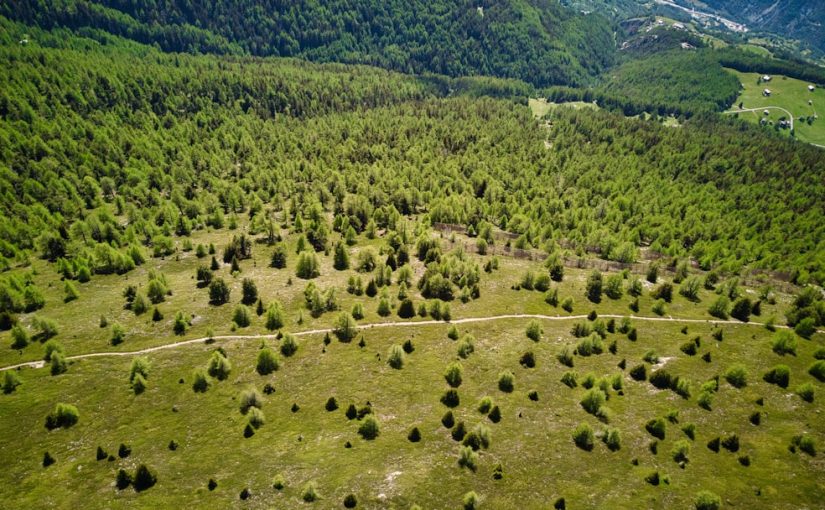
The coniferous forest, also known as the taiga or boreal forest, represents one of Earth’s largest terrestrial biomes, a vast green belt stretching across the northern latitudes of the globe. This distinctive ecosystem is characterized by an array of unique physical attributes that allow life to thrive in often harsh conditions. From its specific climate patterns and the remarkable adaptations of its dominant tree species to the very composition of its soil and its characteristic topographical features, every aspect of the coniferous forest contributes to its singular identity. Understanding these physical characteristics is crucial for appreciating the resilience and ecological significance of this immense and vital natural habitat. This article will delve into the defining physical traits that shape the coniferous forest environment.
Climate and geographical distribution
The defining physical characteristic of the coniferous forest biome is its severe climate, which dictates nearly every other aspect of the ecosystem. Located predominantly in the high northern latitudes, between 50°N and 70°N, it experiences extremely long, cold winters and short, cool summers. Winter temperatures often plummet to -40°C (-40°F) or even lower, with snow covering the ground for six to eight months of the year. While precipitation levels are relatively low compared to other biomes, typically ranging from 300 to 850 mm (12-33 inches) annually, a significant portion falls as snow. This snow cover acts as an insulating blanket, protecting the forest floor and roots from the most extreme cold. The brief summer period, although cool, brings enough light and warmth for plant growth, but the growing season is notably short, often lasting only 50 to 100 days. This harsh climate and short growing season are pivotal in selecting for the specialized plant life that can survive here, primarily the resilient conifers. Geographically, these forests form a continuous band across North America (Canada and Alaska), Eurasia (Scandinavia, Russia, Siberia), and are also found at high altitudes on mountains.
Distinctive tree characteristics
The dominant vegetation of the coniferous forest, the conifers themselves, exhibit remarkable physical adaptations to their challenging environment. Their most recognizable feature is their needle-like leaves. These needles have a small surface area, reducing water loss through transpiration, which is critical during freezing winters when water is locked up as ice. A thick, waxy cuticle further minimizes water evaporation. Being evergreen, these trees can photosynthesize immediately when temperatures rise in spring, without needing to expend energy regrowing leaves. Their conical shape, with branches sloping downwards, is perfectly evolved to shed heavy snow loads, preventing breakage and allowing light to reach the lower branches. The bark of many coniferous trees, such as pines and spruces, is often thick and resinous, providing insulation against cold and protection from insect damage. Their root systems are typically shallow, an adaptation to the often thin, cold soil layer above potentially frozen ground. Common tree species include various types of spruce (Picea), fir (Abies), pine (Pinus), and larch (Larix), which is unique among conifers for being deciduous.
Soil composition and understory
The physical properties of the soil in coniferous forests are largely a direct consequence of the cold climate and the characteristics of the dominant vegetation. These soils are typically acidic and nutrient-poor, classified as podzols. The decomposition of fallen needles, which are waxy and resistant, is a very slow process due to the low temperatures and acidic conditions. This slow decomposition leads to the accumulation of a thick layer of raw organic material on the forest floor, contributing to the soil’s acidity. Leaching of nutrients, where water carries soluble minerals deeper into the soil, is also common due to precipitation (mostly snowmelt) moving through the acidic organic layer. Beneath the acidic organic layer, a pale, ash-colored mineral layer often forms, followed by a reddish-brown horizon where iron and aluminum compounds have accumulated. The low nutrient availability and acidic nature of the soil severely limit the diversity and abundance of understory vegetation. Instead of lush growth, the understory often consists of hardy mosses, lichens, and a sparse scattering of acid-tolerant shrubs like blueberries and cranberries, along with a few herbaceous plants that can tolerate the shade and soil conditions.
Topography and water features
The topography of coniferous forests varies but often includes vast, relatively flat plains, rolling hills, and mountainous regions, especially where the biome transitions to alpine environments. A significant physical feature in many boreal regions is the widespread presence of bogs, swamps, and numerous lakes. This abundance of water features is due to several factors: the relatively low evaporation rates in cold climates, the presence of an impermeable layer of permafrost (permanently frozen ground) in many northern areas which prevents water drainage downwards, and the landscape-altering effects of past glacial activity. Glaciers carved out depressions that subsequently filled with water, forming the characteristic glacial lakes, and left behind uneven terrain with poor drainage. The permafrost also contributes to the waterlogged conditions, as melting snow and surface water cannot easily seep into the ground, leading to saturated soils and the formation of extensive wetlands. These water bodies and marshy areas are integral parts of the coniferous forest landscape, influencing local microclimates and supporting a distinct set of aquatic and semi-aquatic flora and fauna. Here’s a brief look at some typical features:
| Feature | Description | Impact on ecosystem |
|---|---|---|
| Permafrost | Permanently frozen ground, often below a thin active layer | Poor drainage, shallow root systems, bogs/swamps |
| Glacial lakes | Depressions carved by glaciers, filled with water | Water reservoirs, habitat for aquatic life |
| Acidic peat bogs | Waterlogged, highly acidic areas with accumulated organic matter | Unique flora (sphagnum moss, carnivorous plants) |
The coniferous forest is a biome defined by its rigorous physical characteristics, each playing a critical role in shaping its unique ecological identity. From the enduring cold of its long winters and the brevity of its cool summers to the specialized evergreen needles of its dominant trees, every aspect is an adaptation to survival. The acidic, nutrient-poor podzol soils, born from slow decomposition, dictate the limited yet resilient understory, while the widespread presence of bogs, swamps, and glacial lakes reflects the region’s unique hydrology and glacial history. These interconnected physical traits create an ecosystem of remarkable resilience and beauty, supporting a distinct array of life forms capable of thriving in seemingly inhospitable conditions. Understanding these physical attributes provides a deeper appreciation for the coniferous forest’s ecological strategies and its vital role in global biodiversity and climate regulation, urging continued conservation of this vast northern wilderness.
Image by: Daniel R.