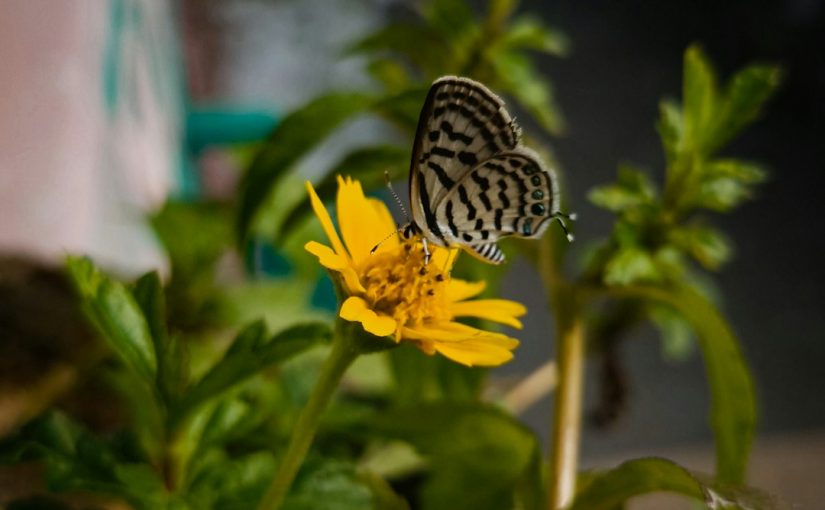
Imagine strolling through a garden where delicate petals unfurl, not just as simple blooms, but as miniature, static butterflies paused in eternal flight. This enchanting phenomenon, where flowers artfully mimic the intricate beauty of these winged insects, offers a truly unique spectacle for any nature enthusiast or gardener. Far from being a mere coincidence, this botanical mimicry serves a fascinating purpose, often a clever evolutionary strategy to attract pollinators. Delving into the world of plants with flowers that look like butterflies unveils a realm of stunning visual deception, vibrant colors, and captivating forms that transform a conventional garden into a whimsical tableau. From exotic orchids to lesser-known annuals, these floral doppelgangers bring a touch of magical illusion to any landscape.
The magic of mimicry: why flowers mimic butterflies
The remarkable resemblance some flowers bear to butterflies is not merely an aesthetic marvel but a testament to nature’s ingenious evolutionary designs. This sophisticated mimicry often serves as a powerful attractant for specific pollinators, particularly butterflies themselves, or other insects and birds that associate these shapes with a food source or landing pad. The advantage for the plant is clear: efficient pollination, leading to successful reproduction. Flowers achieve this visual deception through a combination of factors, including petal shape, size, color patterns, and even the arrangement of their reproductive organs. Some petals might be broad and flat, mirroring a butterfly’s wings at rest, while others might feature intricate markings or “eyes” that further enhance the illusion. The column of an orchid, for instance, can sometimes resemble a butterfly’s body or antennae, completing the convincing disguise. This complex interplay of form and function highlights the incredible adaptability and resourcefulness found within the plant kingdom, constantly evolving to ensure survival and propagation through captivating allure.
Identifying top butterfly-mimicking blooms
Embarking on a quest to find flowers that perfectly emulate the elegance of butterflies reveals a fascinating array of botanical wonders. These plants offer a unique visual appeal, adding a touch of whimsical charm to any garden or indoor space. Their intricate designs are a marvel of natural artistry, sure to captivate observers.
Let us explore some of the most striking examples:
- Psychopsis papilio (Butterfly Orchid): This orchid species is arguably one of the most famous mimics. Its vibrant, often mottled petals unfurl to create a striking resemblance to a butterfly in mid-flight, complete with long, delicate antennae-like structures. Each bloom can last for weeks, making it a spectacular focal point.
- Phalaenopsis (Moth Orchid): While often called “Moth Orchids,” many varieties possess broad, graceful petals that give the impression of a butterfly with its wings spread open. Their diverse colors and patterns only enhance this illusion, making them popular houseplants.
- Schizanthus (Butterfly Flower or Poor Man’s Orchid): With its delicate, irregularly shaped petals, often adorned with spots or streaks, Schizanthus truly lives up to its name. Its clusters of blooms create a vibrant tapestry of “butterflies” fluttering on slender stems, perfect for cottage gardens or containers.
- Clerodendrum ugandense (Blue Butterfly Bush): The flowers of this shrub are an extraordinary sight, with their distinct blue and purple petals forming a shape strikingly similar to a blue butterfly. The long stamens even resemble antennae, completing the illusion with remarkable accuracy.
- Polygala myrtifolia (Butterfly Sweet Pea Bush): While not as direct a mimic as others, the delicate, often purple or pink flowers of Polygala have a charming, winged appearance reminiscent of tiny butterflies clustered along its branches.
For a quick overview, consider the following:
| Plant Name | Key Resemblance Feature | Typical Bloom Color | Care Level |
|---|---|---|---|
| Psychopsis papilio | Wing-like petals, antennae-like column | Yellow, orange, red with spots | Moderate |
| Phalaenopsis (Moth Orchid) | Broad, flat petals resembling wings | Wide range: white, pink, purple, yellow | Easy to Moderate |
| Schizanthus | Irregular, often speckled petals | Pink, purple, white, bicolor | Moderate |
| Clerodendrum ugandense | Distinct blue petals, antennae-like stamens | Blue, purple, white | Moderate |
| Polygala myrtifolia | Small, winged, pea-like flowers | Purple, pink, white | Easy |
Cultivating your butterfly garden of illusions
Creating a garden brimming with these enchanting butterfly-mimicking blooms requires thoughtful planning and care. While their unique forms are captivating, understanding their specific needs is crucial for their thriving display. Most of these plants prefer well-draining soil, and depending on their origin, their light requirements can vary from partial shade for some orchids to full sun for plants like Schizanthus. Watering should be consistent but allow the soil to dry slightly between applications, preventing root rot. Fertilization schedules also differ, but generally, a balanced, diluted fertilizer applied during the growing season will promote vigorous growth and abundant flowering.
Beyond the care for the mimicking plants themselves, consider the overall design of your “garden of illusions.” Grouping plants with similar cultural needs together simplifies maintenance. Integrate a variety of textures and heights to create visual interest. For instance, pairing the upright spikes of Psychopsis papilio with the trailing habit of a vine or the bushiness of Clerodendrum ugandense can create a dynamic landscape. Furthermore, while these flowers *look* like butterflies, you can still attract *real* butterflies to your garden by including nectar-rich plants, a shallow water source, and sunny spots for basking. This dual approach—flowers that mimic butterflies alongside plants that attract them—creates a truly immersive and lively natural sanctuary, enhancing both aesthetic appeal and ecological value.
The allure of plants with flowers that look like butterflies lies in their extraordinary ability to trick the eye and spark imagination. From the intricate evolutionary strategies behind their mimicry to the sheer botanical beauty they present, these floral wonders offer a unique dimension to gardening. We have explored how flowers adopt these convincing disguises through petal shape, color, and patterns, primarily to attract vital pollinators. We then identified some of the most remarkable examples, such as the authentic Psychopsis papilio, the popular Phalaenopsis, and the charming Schizanthus, each bringing its own special form of visual magic. Finally, we discussed the practicalities of cultivating these living artworks, emphasizing proper care and strategic garden design to maximize their impact. Incorporating these fascinating plants not only elevates the aesthetic appeal of your space but also deepens your appreciation for the marvels of natural adaptation and the profound connections within the ecosystem. Unleash your inner botanist and transform your garden into a captivating illusion where flora and fauna playfully intertwine.
Image by: Durgesh Singh