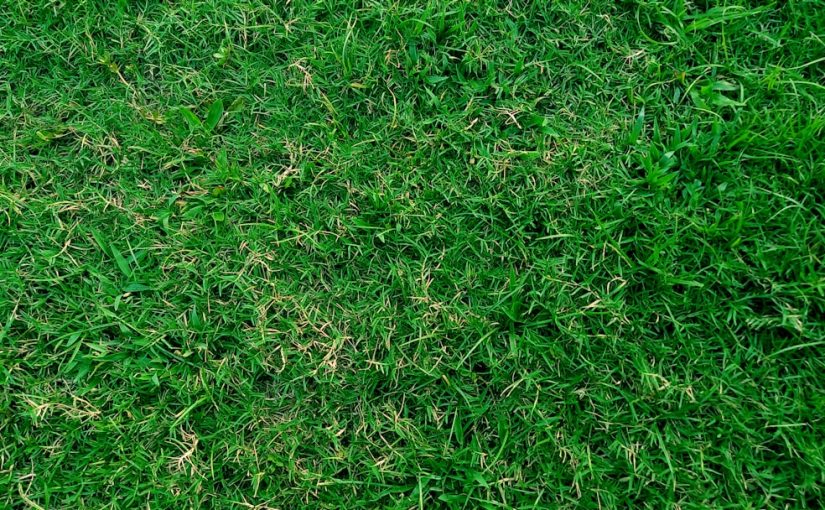
Dallisgrass (Paspalum dilatatum) is a warm-season perennial grass that can quickly become a significant nuisance in well-maintained lawns, gardens, and commercial landscapes. Originating from South America, its clumping growth habit, coarse texture, and aggressive spreading via rhizomes and prolific seed production make it a formidable opponent for homeowners and professional landscapers alike. Eradicating this invasive weed without damaging desirable turf requires a strategic approach, and selective herbicides often play a pivotal role. This article will delve into the world of selective herbicides, exploring the most effective active ingredients, proper application techniques, and integrated management strategies to help you reclaim your lawn from the tenacious grip of Dallisgrass.
Understanding dallisgrass and its challenges
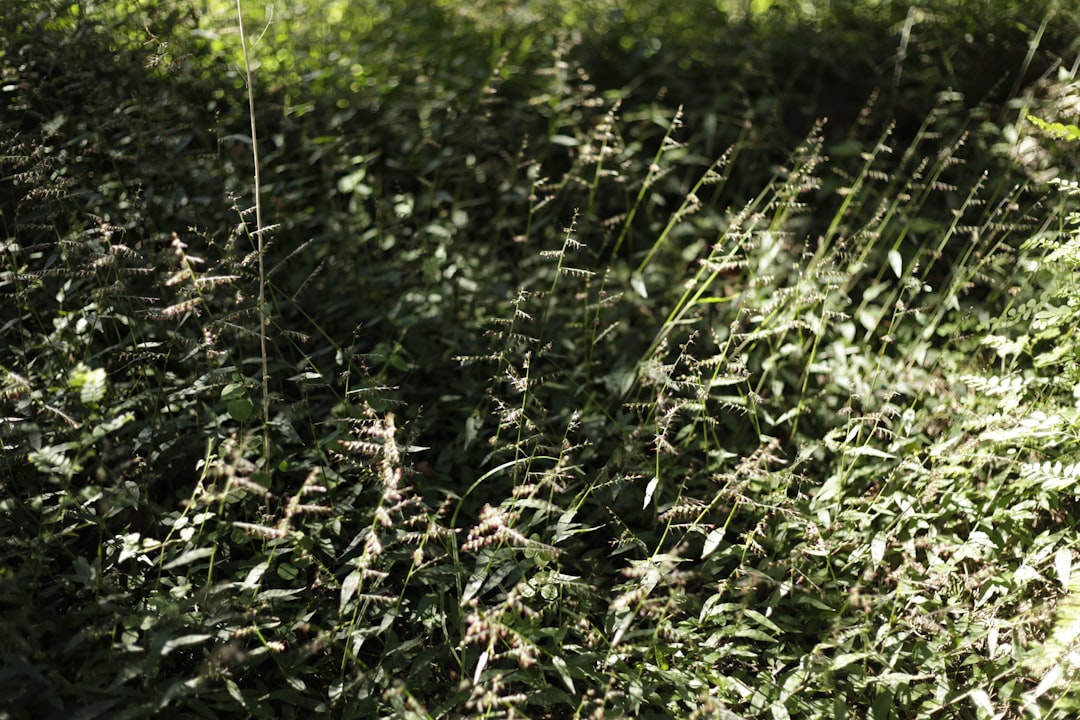
Dallisgrass presents a unique challenge in turf management due to several characteristics. As a warm-season perennial, it thrives in temperatures where many cool-season turfgrasses might struggle, giving it a competitive edge during summer months. Its distinctive features include a low-growing, clumping habit with short rhizomes, light green to gray-green leaves, and unique seed heads resembling a small panicle with two to seven finger-like racemes. These seed heads are often purplish and sticky, making them easily discernible above the turf canopy. The plant’s deep, fibrous root system makes manual removal difficult, often leaving behind viable root fragments that can regenerate. Moreover, its abundant seed production ensures a continuous cycle of new infestations, capable of germinating over an extended period when soil temperatures are warm.
The primary concern with Dallisgrass is its unsightly appearance, disrupting the uniformity of manicured lawns. Its coarser texture and differing color stand out against finer turfgrasses like Kentucky bluegrass, fescues, or even bermudagrass. Beyond aesthetics, it can outcompete desirable turf for water, nutrients, and sunlight, leading to thinning of the desired grass and further proliferation of the weed. Managing Dallisgrass effectively requires understanding its biology and selecting tools that specifically target it while preserving the surrounding desired vegetation.
Key selective herbicide active ingredients for dallisgrass control
The development of selective herbicides has revolutionized weed control, allowing for targeted eradication without widespread damage. For Dallisgrass, post-emergent selective herbicides are the most common approach once the weed is already established. These products are designed to be absorbed by the Dallisgrass foliage and translocated throughout the plant, including its root system, to inhibit growth or cause cellular disruption.
- Quinclorac: This active ingredient is a widely recognized and effective choice for Dallisgrass control, particularly in warm-season turfgrasses like bermudagrass, zoysiagrass, and St. Augustinegrass, as well as some cool-season types like fescue and perennial ryegrass. Quinclorac works as an auxin mimic, disrupting cell growth processes within susceptible plants. It is typically absorbed through the leaves and roots and requires the Dallisgrass to be actively growing for best results.
- Sulfosulfuron: Found in products like Certainty, Sulfosulfuron is another excellent option for Dallisgrass control, especially in sensitive turf types like zoysiagrass and bermudagrass. It’s an ALS inhibitor, which means it interferes with amino acid synthesis in susceptible weeds, eventually leading to their death. It’s often used for selective control of various sedges and broadleaf weeds in addition to Dallisgrass.
- Foramsulfuron: Often combined with other active ingredients, Foramsulfuron (e.g., in Tribute Total) provides strong post-emergent control of Dallisgrass and other grassy weeds. It also functions as an ALS inhibitor, making it effective on actively growing Dallisgrass. This herbicide is commonly used in commercial and golf course settings on bermudagrass and zoysiagrass.
- Fenoxaprop-P-ethyl: This active ingredient, present in products like Acclaim Extra, is a selective post-emergent herbicide primarily used for grassy weed control in cool-season turfgrasses (fescue, ryegrass, bluegrass). It works by inhibiting lipid synthesis, which is crucial for plant growth. While effective, careful consideration of turf type is essential as it can injure some warm-season grasses.
Understanding the specific turfgrass in your lawn is critical, as not all herbicides are safe for all types. Always refer to the product label for compatibility and application rates.
Application strategies and timing for optimal control
Effective Dallisgrass control with selective herbicides hinges on precise application and optimal timing. Simply spraying a product without careful consideration can lead to poor results, wasted effort, and potential damage to desirable turf.
The most crucial factor is application timing. Selective herbicides designed for Dallisgrass are most effective when the weed is actively growing. For Dallisgrass, this typically means late spring through early fall, when temperatures are consistently warm. Applying herbicides during periods of drought stress or extreme heat can reduce efficacy and increase the risk of turf injury. It is also beneficial to apply *before* the Dallisgrass sets seed, to prevent further spread and replenish the seed bank in the soil.
Proper application technique is equally vital. Use a sprayer that provides uniform coverage, and calibrate it to ensure you are applying the correct amount of product per square foot. Over-application can injure turf, while under-application will result in ineffective control. Many selective herbicides require the addition of a non-ionic surfactant to improve absorption by the waxy Dallisgrass leaves. Check the product label to see if a surfactant is recommended or required.
Dallisgrass, being a perennial with a robust root system and significant seed production, often requires multiple applications for complete control. A single application may knock back the current growth, but regrowth from rhizomes or germination from the seed bank is common. Follow-up applications, typically spaced 2-4 weeks apart, are often necessary to exhaust the plant’s reserves and control newly emerging seedlings. Monitoring the treated area for several weeks after application is crucial to assess efficacy and determine the need for subsequent treatments.
Here is a summary of common selective herbicides for Dallisgrass control:
| Active ingredient | Mechanism of action | Primary turf compatibility | Application notes |
|---|---|---|---|
| Quinclorac | Auxin mimic | Bermudagrass, Zoysiagrass, Fescue, Ryegrass | Post-emergent. Often requires surfactant. Apply to actively growing Dallisgrass. |
| Sulfosulfuron | ALS inhibitor | Bermudagrass, Zoysiagrass | Post-emergent. Good for sensitive turf. Can also control sedges. |
| Foramsulfuron | ALS inhibitor | Bermudagrass, Zoysiagrass | Post-emergent. Often in combination products. For actively growing Dallisgrass. |
| Fenoxaprop-P-ethyl | Lipid synthesis inhibitor | Fescue, Ryegrass, Kentucky Bluegrass | Post-emergent. Primarily for cool-season turf. Use with caution on warm-season grasses. |
Integrated pest management for long-term dallisgrass suppression
While selective herbicides are powerful tools, relying solely on chemical solutions for Dallisgrass control is often a short-term fix. A more sustainable and effective approach involves an integrated pest management (IPM) strategy that combines cultural practices, proper turf care, and judicious herbicide use.
Promoting a dense, healthy turf stand is perhaps the most fundamental preventative measure. Healthy turf naturally outcompetes weeds for resources, making it harder for Dallisgrass to establish and spread. This involves:
- Proper mowing height: Mowing at the higher end of the recommended range for your turf type can shade the soil, reducing Dallisgrass seed germination and giving desirable grass an advantage.
- Appropriate fertilization: Follow a soil test-based fertilization program to provide your turf with the nutrients it needs to thrive without over-fertilizing, which can sometimes favor certain weeds.
- Correct irrigation: Water deeply and infrequently to encourage deep root growth in your desirable turf, making it more resilient to drought and competitive against shallow-rooted weeds.
- Aeration and dethatching: Address soil compaction and excessive thatch layers that can hinder turf health and create environments conducive to weed invasion.
Pre-emergent herbicides can also play a role in a long-term strategy, though they primarily target Dallisgrass seeds before they germinate. Products containing active ingredients like prodiamine, pendimethalin, or dithiopyr can prevent Dallisgrass seeds from emerging, but they will not control existing plants. These are best applied in early spring before soil temperatures consistently reach levels suitable for Dallisgrass germination (around 55-60°F). Remember that pre-emergents can also inhibit the germination of desirable turf seeds, so plan overseeding activities accordingly.
Finally, for small, isolated Dallisgrass clumps, manual removal can be an effective and herbicide-free option. However, it’s crucial to dig out the entire plant, including its robust root system, to prevent regrowth. Consistent monitoring and immediate action on new infestations can prevent them from becoming widespread problems that require more aggressive treatments.
Successfully controlling Dallisgrass in your lawn requires a well-informed and persistent approach. Selective herbicides, particularly those containing active ingredients like Quinclorac, Sulfosulfuron, Foramsulfuron, and Fenoxaprop, offer targeted solutions for established infestations, allowing for the eradication of this tenacious weed without harming desirable turfgrass. The key to their efficacy lies in understanding the specific chemistry, selecting the right product for your turf type, and adhering to precise application timing—ideally when Dallisgrass is actively growing and before it goes to seed. Multiple applications are often necessary to overcome its perennial nature and robust root system.
Beyond chemical intervention, an integrated pest management strategy is paramount for long-term suppression. Combining selective herbicide treatments with sound cultural practices, such as proper mowing, fertilization, and irrigation, empowers your desirable turf to naturally outcompete weeds. Supplementing with pre-emergent herbicides to prevent new germinations and diligent manual removal of isolated clumps further strengthens your defense. By adopting this comprehensive and consistent approach, you can effectively manage Dallisgrass, restore the uniformity of your landscape, and maintain a healthier, more resilient lawn.
Image by: Abrarul Haque