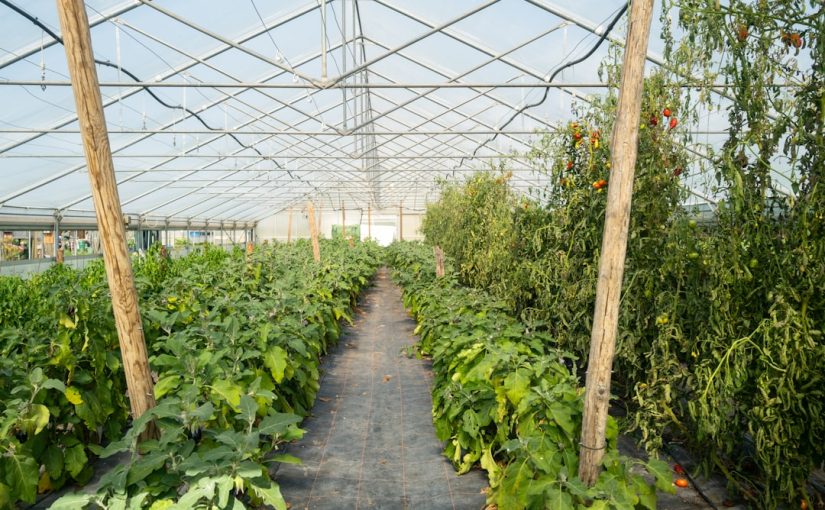
The garden season approaches, and with it, the age-old question that sparks debate among cultivators: should you remove weeds before tilling? This isn’t just a matter of convenience; it’s a decision with significant implications for soil health, weed management, and the overall success of your garden. Some swear by clearing every last green intruder, believing it sets the stage for a pristine planting bed. Others advocate for incorporating weeds, viewing them as valuable organic matter to be returned to the earth. There’s no one-size-fits-all answer, as the optimal approach often hinges on various factors, including the type of weeds, your soil’s current condition, and your gardening philosophy. Let’s delve into the nuances of this fundamental gardening dilemma to help you make an informed choice for your plot.
The case for pre-tilling weed removal
For many gardeners, the idea of tilling weeds directly into the soil feels counterproductive, especially when dealing with persistent varieties. Removing weeds before tilling can be a crucial step in breaking the cycle of weed propagation. Perennial weeds, such as bindweed, quackgrass, or dandelions, often possess deep, extensive root systems, rhizomes, or tubers. If these are chopped up and buried by a tiller, each fragment can potentially sprout into a new plant, effectively multiplying your weed problem rather than solving it. This is why a thorough manual removal, or even a targeted herbicide application (if you use them), prior to tilling is often recommended for these tenacious species.
Beyond preventing propagation, pre-tilling weed removal also ensures that your desired crops face less competition from the outset. Weeds are notorious for monopolizing water and essential nutrients, which can stunt the growth and reduce the yield of your cultivated plants. Starting with a clean slate means your vegetables and flowers have immediate access to all available resources, promoting stronger, healthier development. Furthermore, heavily weeded areas can be tough on tilling equipment, leading to tangles and potential damage, particularly with rotary tillers. Clearing them first makes the tilling process smoother and more efficient.
The argument for tilling weeds in
On the flip side, many proponents of organic gardening see weeds not just as nuisances but as potential assets. Tilling weeds into the soil can be a quick and effective way to add organic matter, essentially turning unwanted plants into “green manure.” When annual weeds, especially those that haven’t gone to seed, are chopped and incorporated into the topsoil, they decompose rapidly, releasing valuable nitrogen and other nutrients back into the soil structure. This enriches the soil, improves its tilth, and supports a healthier microbial ecosystem, which is beneficial for future crop growth.
This approach can also be a significant time-saver. Instead of the laborious task of pulling, raking, and disposing of large quantities of weeds, you simply incorporate them directly into your garden bed. For gardeners with extensive plots or limited time, this efficiency can be a major advantage. Tilling also buries many weed seeds deeper into the soil, where they are less likely to germinate due to lack of light, offering a temporary suppression effect. However, it’s critical to distinguish between annual weeds and perennial weeds when considering this strategy, as the consequences of tilling in aggressive perennials can be dire.
Factors influencing your decision
The choice of whether to remove weeds before tilling is rarely black and white; it’s influenced by several practical considerations. Understanding these factors will help you tailor your approach to your specific garden needs:
- Weed type: This is perhaps the most critical factor. As discussed, annual weeds (like chickweed, purslane) with shallow root systems can often be tilled in beneficially. Perennial weeds (like thistle, bindweed, dock) with deep or spreading roots should almost always be removed first to prevent their proliferation.
- Weed maturity: Have the weeds gone to seed? If so, tilling them in will only broadcast thousands of new weed seeds, guaranteeing future headaches. Mature, seed-laden weeds should be removed and carefully disposed of (e.g., hot composting, burning, or bagging) rather than tilled in.
- Soil condition: If your soil is depleted in organic matter, tilling in young, non-seeding annual weeds can be a quick way to give it a boost. For already rich soil, the added organic matter might be less critical.
- Garden size and time: For small, manageable plots, thorough hand-weeding might be feasible. For larger areas, tilling in appropriate weeds saves considerable effort.
- Tiller type: Some tillers are better equipped to handle heavy weed loads than others. A powerful, heavy-duty tiller might manage small weeds, while smaller, less robust models can get tangled and clogged.
Here’s a quick guide to help navigate different scenarios:
| Weed Type | Characteristics | Recommendation Before Tilling | Rationale |
|---|---|---|---|
| Annual weeds (small, young) | Shallow roots, haven’t developed seeds yet, green and succulent | Till them in | Adds organic matter, decomposes quickly, easy to suppress, minimal risk of spreading |
| Annual weeds (large, seeded) | Mature, often woody stems, likely bearing viable seeds | Remove and dispose of (e.g., hot compost or bag) | Prevents burying and germinating viable seeds, reduces future weed pressure |
| Perennial weeds (e.g., quackgrass, bindweed, thistle) | Deep, spreading root systems, rhizomes, tubers; regenerate easily from fragments | Thorough manual removal (digging, hand-pulling) or solarization | Tilling breaks roots into pieces, each piece can form a new plant, leading to severe infestation |
Practical approaches for optimal soil preparation
Ultimately, the most effective strategy often involves a nuanced approach, combining elements of both pre-tilling removal and incorporation. For a truly healthy and productive garden, a thoughtful assessment of your specific situation is key. If you’re faced with a jungle of aggressive perennial weeds, investing the time upfront to meticulously remove them will save you countless hours of frustration later in the season. Techniques like sheet mulching or solarization in the off-season can also be incredibly effective at suppressing tough weeds without heavy chemical use.
Conversely, if your garden bed has a light scattering of young, annual weeds, consider them a gift. They are nature’s way of telling you your soil could benefit from a dose of organic matter. Tilling them under provides an immediate nutrient boost and improves soil structure without significant risk. Remember that tilling, while effective for breaking up compacted soil and incorporating amendments, should be done judiciously. Over-tilling can disrupt the soil’s delicate ecosystem, so aim for a balance that addresses your weed challenges while nurturing long-term soil health. Employing cover crops in the off-season is another excellent strategy to suppress weeds and build soil health simultaneously.
The decision to remove weeds before tilling is not a simple yes or no, but rather a strategic choice guided by a careful evaluation of your garden’s specific conditions. We’ve explored the compelling arguments for both sides: the necessity of eradicating persistent perennial weeds to prevent their spread and the benefit of incorporating young annual weeds to enrich the soil. The crucial takeaway is to identify the type and maturity of the weeds you’re facing. Tilling aggressive, seed-laden, or perennial weeds directly into your garden is a common mistake that can lead to years of struggle and reduced yields. Conversely, burying tender, seedless annuals can be a natural, efficient way to boost organic matter and nutrient content.
By understanding the nuances and applying the practical approaches discussed, you can make an informed decision that promotes a healthier, more productive garden. Prioritize thorough removal for problematic species, and judiciously incorporate beneficial weeds when appropriate. This balanced perspective ensures that your efforts in preparing your soil truly set the foundation for a thriving growing season, rather than inadvertently creating future problems. A thoughtful approach to weed management before tilling is a cornerstone of sustainable and successful gardening.
Image by: Being Organic in EU