Fig trees, with their luscious fruit and attractive foliage, are a cherished addition to many gardens. However, these beautiful plants are not immune to the threats posed by various insect pests, which can diminish fruit yield, stunt growth, and even lead to tree decline if left unchecked. Identifying the right bug spray is crucial for maintaining a healthy and productive fig tree, ensuring the safety of both the plant and its edible harvest. This article will delve into the world of fig tree pest management, guiding you through understanding common adversaries, evaluating effective and safe treatment options, and implementing best practices to protect your beloved fig trees from unwanted invaders.
Understanding common fig tree pests
Before reaching for any spray, it’s essential to understand who the unwelcome guests are. Different pests require different approaches, and a targeted treatment is always more effective and less disruptive to the ecosystem. Fig trees are susceptible to a range of insects, each leaving tell-tale signs of their presence.
- Spider mites: These tiny arachnids are often hard to see with the naked eye but cause noticeable damage. Look for yellow stippling on leaves and fine webbing, especially on the undersides. They thrive in hot, dry conditions.
- Aphids: Small, pear-shaped insects that cluster on new growth and the undersides of leaves. They suck sap, causing leaves to curl and distort, and excrete sticky honeydew, which can lead to sooty mold.
- Scale insects: These appear as small, immobile bumps on stems and leaves, often resembling part of the plant itself. They feed on sap, weakening the tree, and also produce honeydew. Their protective waxy coating makes them particularly challenging to treat.
- Mealybugs: Identified by their cottony, white, waxy coverings, mealybugs also feed on sap and excrete honeydew, leading to sooty mold. They tend to hide in leaf axils and crevices.
- Fig borers: While less common than sap-sucking pests, borers (larvae of certain beetles or moths) can be devastating. They tunnel into branches and trunks, causing wilting, dieback, and eventually tree death. Evidence includes sawdust-like frass and entry/exit holes.
Early detection is key to preventing severe infestations and making pest control more manageable. Regularly inspecting your fig tree’s leaves, stems, and fruit will help you catch issues before they escalate.
Essential qualities of an effective fig tree bug spray
Choosing the right bug spray involves more than just finding something that kills insects. For fig trees, especially those producing fruit for consumption, safety and efficacy are paramount. An ideal bug spray should possess several key characteristics:
- Safety for edibles: This is non-negotiable. Any product used must be labeled safe for use on edible plants, with clear instructions regarding pre-harvest intervals (PHIs) – the time required between application and harvesting.
- Targeted yet broad-spectrum enough: While highly specific treatments are sometimes ideal, many common fig pests can be addressed with sprays that have a good range against soft-bodied insects (aphids, mites, mealybugs) or those that disrupt the life cycle of pests (like Neem oil).
- Low toxicity to beneficial insects: Preserving pollinators and natural predators (like ladybugs and lacewings) is crucial for a healthy garden ecosystem. Opt for sprays that have minimal impact on these beneficials.
- Environmentally friendly: Products that break down quickly in the environment and don’t harm soil or water are preferred. Organic options often fit this criterion.
- Safe for the fig tree itself: Some chemicals can cause phytotoxicity (plant burn) or stress. Always test a small area first if unsure, and ensure the product is suitable for fig trees.
Understanding these qualities will help you navigate the vast array of products available and select one that aligns with your gardening philosophy and the specific needs of your fig tree.
Top recommended bug spray types for fig trees
When it comes to treating fig tree pests, certain types of sprays stand out for their effectiveness and relatively low impact on the environment and edibles. Here’s a look at the most popular and recommended options:
Neem oil: Derived from the Neem tree, this natural oil acts as an insecticide, fungicide, and miticide. It works by disrupting insect feeding, growth, and reproduction. Neem oil is highly effective against a wide range of soft-bodied pests like aphids, spider mites, mealybugs, and scale crawlers. It’s generally safe for beneficial insects once dry and has no pre-harvest interval, making it ideal for fruiting trees.
Insecticidal soaps: These are potassium salts of fatty acids that work by dissolving the protective outer layer of soft-bodied insects, causing dehydration. They are effective against aphids, spider mites, thrips, and mealybugs. Insecticidal soaps are contact killers, meaning they must directly hit the pest to be effective. They have a very low toxicity to humans and pets and virtually no residual effect, making them safe for edibles right up to harvest.
Horticultural oils: Also known as dormant or summer oils (depending on their refinement and weight), these oils work by suffocating insect eggs, larvae, and adults, particularly effective against scale insects, mites, and overwintering pests. Lighter summer oils can be used on foliage during the growing season. Like insecticidal soaps, they have low toxicity and minimal residual impact.
Here’s a quick comparison of these popular options:
| Spray Type | Primary Targets | Mechanism of Action | Edible Safety (PHI) | Pros | Cons |
|---|---|---|---|---|---|
| Neem Oil | Aphids, mites, mealybugs, scale, whiteflies | Antifeedant, growth disruptor, repellent | 0 days | Broad-spectrum, systemic (some), natural, low toxicity | Can clog sprayer, strong odor, needs reapplication |
| Insecticidal Soap | Aphids, mites, mealybugs, thrips | Disrupts insect cuticle (dehydration) | 0 days | Fast-acting, very safe, no residual effect | Contact-only, needs thorough coverage, needs reapplication |
| Horticultural Oil | Scale, mites, overwintering pests, aphids | Suffocates eggs, larvae, adults | 0 days | Effective against dormant pests, low toxicity | Can cause phytotoxicity if applied in high heat, messy |
Pyrethrins: For severe infestations, some gardeners might consider pyrethrin-based products. These are natural insecticides derived from chrysanthemum flowers, offering a fast knockdown. However, they are broad-spectrum, meaning they can harm beneficial insects too, and typically have a short residual effect. Use with caution and only as a last resort, always checking for edible safety and PHI.
Application tips and preventative measures
Even the best bug spray won’t be effective if not applied correctly. Moreover, integrating preventative measures can significantly reduce the need for chemical intervention.
- Timing is everything: Apply sprays in the late evening or early morning when temperatures are cooler and there’s less direct sunlight to avoid phytotoxicity. This also helps protect nocturnal beneficial insects and pollinators that are less active.
- Thorough coverage: Many sprays, especially insecticidal soaps and horticultural oils, are contact killers. Ensure you thoroughly coat all affected plant parts, including the undersides of leaves and stem crevices, where pests often hide.
- Follow label instructions: Always read and adhere to the product label regarding mixing ratios, application frequency, safety precautions, and pre-harvest intervals. Over-applying can be harmful to the tree and the environment, while under-applying can be ineffective.
- Integrated pest management (IPM): Combine sprays with other strategies. Prune away heavily infested branches, maintain good air circulation, and remove plant debris where pests can harbor.
- Watering and nutrition: A healthy fig tree is more resilient to pest attacks. Ensure proper watering and balanced nutrition, as stressed trees are more susceptible.
- Regular inspection: Make it a habit to inspect your fig trees frequently. Catching an infestation early allows for less intensive treatment and prevents major damage.
By combining targeted treatments with diligent preventative care, you can create an environment where your fig trees thrive, free from the damaging effects of common pests.
Protecting your fig trees from pests doesn’t have to be a daunting task. By first understanding the specific adversaries that threaten your cherished plants, you can make informed decisions about the most effective and safe bug sprays available. We’ve explored the benefits of natural options like Neem oil, insecticidal soaps, and horticultural oils, highlighting their mechanisms and safety for edible crops. Remember, the core principles of successful pest management involve choosing products labeled for edible plants, ensuring thorough application, and strictly adhering to label instructions, especially regarding pre-harvest intervals. Integrating these treatments with consistent preventative measures—such as regular inspections, proper cultural care, and good sanitation—creates a robust defense against infestations. Ultimately, a proactive and informed approach ensures your fig trees remain vibrant, healthy, and capable of producing their delicious fruit season after season, rewarding your efforts with a bountiful harvest.
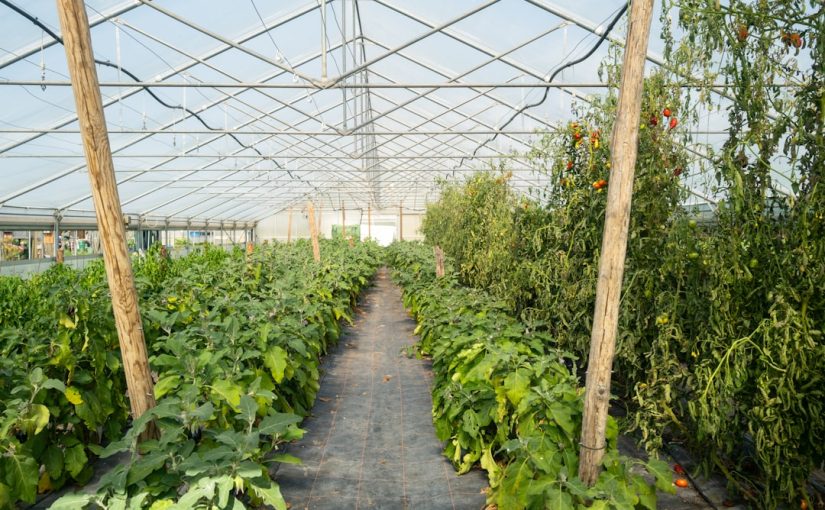
Image by: Being Organic in EU