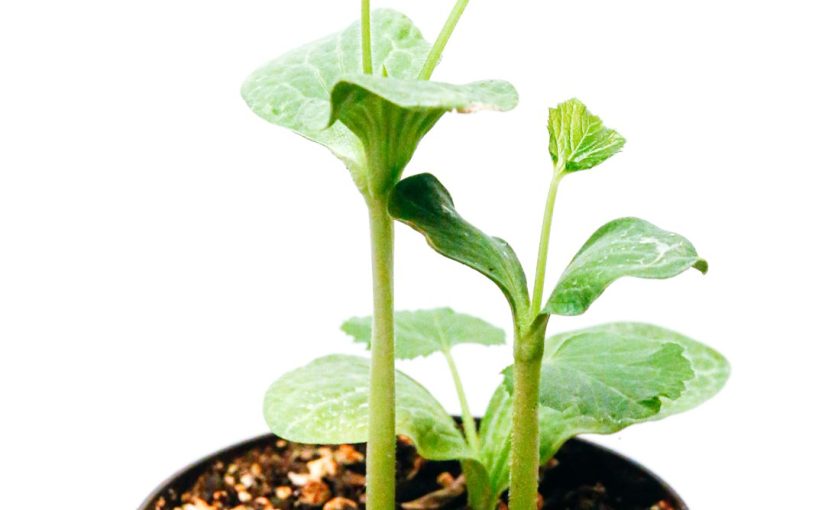
The aquatic plant Elodea canadensis, commonly known as common waterweed or American waterweed, is a fascinating subject for ecological study due to its remarkable adaptability and rapid propagation. This submerged macrophyte plays a crucial role in many freshwater ecosystems, providing habitat, oxygen, and a food source for various aquatic organisms. However, its vigorous growth rate can also lead to it becoming an invasive species in non-native environments, outcompeting local flora and altering aquatic habitats significantly. Understanding the factors that influence Elodea’s growth rate is therefore essential for both ecological research and effective environmental management, shedding light on broader principles of plant physiology and aquatic ecosystem dynamics.
Understanding elodea and its rapid propagation
Elodea canadensis is a perennial, submerged aquatic plant native to North America, but it has spread extensively across continents, establishing itself in temperate regions worldwide. Its success is largely attributed to its exceptional ability to grow and reproduce rapidly. Elodea typically features slender stems, small, bright green leaves arranged in whorls of three, and inconspicuous flowers. While it can reproduce sexually through seeds, its primary method of propagation, particularly in new environments, is vegetative. Fragmentation, where small pieces of the plant break off and develop into new, independent individuals, is a highly effective dispersal mechanism, allowing Elodea to colonize new areas swiftly. This characteristic, coupled with its efficient photosynthetic capacity, underlies its potential for impressive biomass accumulation over short periods.
Key environmental factors influencing elodea growth
The growth rate of Elodea is highly responsive to a suite of environmental variables, making it a valuable bioindicator and a challenging invasive species. Among the most critical factors are:
- Light intensity and duration: As a photosynthetic organism, Elodea’s growth is directly proportional to the availability of light. Optimal light conditions, including both intensity and photoperiod, significantly enhance its photosynthetic efficiency, leading to faster biomass production and stem elongation.
- Temperature: Elodea thrives in a wide range of temperatures, typically favoring cool to moderate conditions (10-25°C). Within this optimal range, metabolic processes, including photosynthesis and nutrient uptake, are accelerated, promoting robust growth. Extreme temperatures, either too low or too high, can inhibit growth or even be detrimental.
- Nutrient availability: The presence of essential macronutrients, particularly nitrogen and phosphorus, is crucial. Elevated concentrations of these nutrients, often resulting from agricultural runoff or wastewater discharge (eutrophication), can trigger explosive growth rates in Elodea, leading to dense mats that can negatively impact water quality and biodiversity.
- Carbon dioxide (CO2) levels: Submerged aquatic plants like Elodea absorb dissolved CO2 directly from the water for photosynthesis. Ample CO2 availability, especially in still or slow-moving waters, can be a limiting factor, but sufficient levels contribute significantly to its growth potential.
- Water quality and pH: Elodea prefers clear, calm, and nutrient-rich waters. It tolerates a relatively broad pH range (typically 6.0-8.0) but is sensitive to high salinity and extreme acidity or alkalinity, which can hinder its growth and survival.
Measuring elodea’s growth rate
Quantifying Elodea’s growth rate is fundamental for ecological studies and management efforts. Various methodologies are employed, each providing different insights into its growth dynamics:
- Biomass increase: This is a common and direct measure, typically involving the dry weight or wet weight of plant material collected over a specific period. Samples are harvested, cleaned, and then weighed, with the difference indicating biomass accumulation.
- Stem elongation: For individual plants or cuttings, measuring the increase in stem length over time can provide a simple yet effective indicator of linear growth.
- Leaf production and internode count: Counting the number of new leaves or internodes formed along a stem can serve as a proxy for growth, especially in controlled experimental settings.
- Oxygen production: Since photosynthesis produces oxygen, measuring the rate of oxygen evolution by Elodea under different conditions can indirectly quantify its photosynthetic activity and, by extension, its growth potential.
- Fragmentation and root development: In scenarios where propagation from fragments is key, researchers might monitor the survival rate and subsequent growth of detached stem sections.
Here is a hypothetical table illustrating Elodea growth under varying conditions:
| Condition | Temperature (°C) | Light Intensity (µmol/m²/s) | Nutrient Level (mg/L N) | Average Weekly Stem Elongation (cm) | Average Weekly Biomass Increase (g dry weight) |
|---|---|---|---|---|---|
| Low Growth | 15 | 50 | 0.5 | 1.5 | 0.05 |
| Moderate Growth | 20 | 150 | 2.0 | 4.2 | 0.18 |
| Optimal Growth | 22 | 250 | 5.0 | 8.0 | 0.35 |
| High Nutrient/Light | 25 | 300 | 10.0 | 10.5 | 0.48 |
Ecological implications and management
The rapid growth rate of Elodea has profound ecological implications. In its native range, it is a vital component of aquatic food webs, offering food and shelter to fish, invertebrates, and waterfowl. It also contributes significantly to oxygenating the water, benefiting other aquatic life. However, when introduced to non-native environments, its aggressive growth can quickly turn it into an invasive threat. Dense mats of Elodea can:
- Outcompete native aquatic vegetation for light and nutrients, leading to a reduction in biodiversity.
- Alter water flow patterns, increase sedimentation, and contribute to anoxic conditions beneath the mats as dead plant material decomposes.
- Interfere with recreational activities such as swimming, boating, and fishing.
- Impact commercial fishing operations by clogging nets and propellers.
Managing invasive Elodea often involves a combination of mechanical removal, which can be labor-intensive and may ironically spread fragments further, and targeted chemical treatments. Understanding the environmental triggers for its rapid growth is key to developing more effective, sustainable management strategies, including preventing its introduction and spread in the first place.
In summary, the growth rate of Elodea canadensis is a complex interplay of inherent biological traits and external environmental factors. Its efficient vegetative reproduction, coupled with its adaptability to varying conditions of light, temperature, and nutrient availability, underpins its success as both a beneficial native species and a formidable invasive plant. Measuring this growth rate through various scientific methods, from biomass assessment to stem elongation, provides critical data for ecological research. The dual nature of Elodea’s rapid growth—contributing to ecosystem health in some contexts while disrupting it in others—underscores the importance of continuous study. Ultimately, a deep understanding of Elodea’s growth dynamics is essential not only for managing invasive populations but also for appreciating the intricate balance of aquatic ecosystems and the profound impact a single species can have.
Image by: Suri Huang