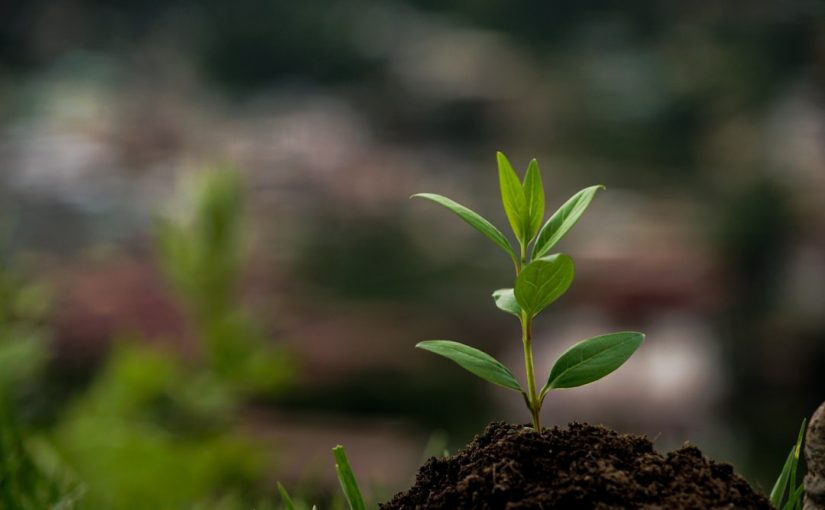
Trees, those silent sentinels of our planet, embark on an incredible journey of transformation, a life cycle that shapes ecosystems and provides countless benefits to life on Earth. From a tiny seed no larger than a grain of sand to towering giants that pierce the sky, each tree undergoes distinct stages of growth, each critical to its survival and the propagation of its species. Understanding these stages offers a profound appreciation for the resilience and complexity of nature, revealing the intricate processes that allow a fragile sprout to become a robust, life-sustaining organism. Join us as we explore the fascinating progression of a tree’s life, from its humble beginnings to its eventual return to the earth.
The beginning – seed and germination
The life of nearly every tree begins as a seed, a remarkable package of genetic material and stored energy. A seed is essentially an embryonic plant enclosed in a protective outer covering, known as the seed coat, along with a food reserve (endosperm or cotyledons). Before germination can occur, many seeds enter a state of dormancy, a period of suspended growth that prevents them from sprouting under unfavorable conditions. This dormancy can be broken by specific environmental cues such as a period of cold (stratification) or mechanical abrasion (scarification) to weaken the seed coat.
Once conditions are optimal—typically involving adequate moisture, warmth, and sometimes light—the germination process begins. Water is absorbed, causing the seed to swell and activate enzymes that break down the stored food reserves. The first visible sign of germination is usually the emergence of the radicle, the embryonic root, which pushes downwards into the soil to anchor the nascent plant and absorb water and nutrients. Shortly thereafter, the hypocotyl or epicotyl emerges, pushing the cotyledons (seed leaves) or the first true leaves upwards towards the light, ready to begin photosynthesis.
Seedling and sapling – early growth
Following successful germination, the plant enters the delicate seedling stage. This is a period of rapid initial growth, primarily focused on establishing a robust root system and developing the first true leaves beyond the cotyledons. Seedlings are highly vulnerable to environmental stressors like drought, frost, competition from weeds, and predation by herbivores. Photosynthesis begins in earnest, converting sunlight into energy to fuel further development. The stem, initially soft and herbaceous, starts to grow thicker and slightly woody as secondary growth initiates, producing more xylem (water-conducting tissue) and phloem (sugar-conducting tissue).
As the seedling grows taller and its stem becomes more robust, it transitions into the sapling stage. A sapling is generally defined as a young tree, typically less than 4 inches in diameter at breast height (DBH), that has grown beyond the seedling stage but has not yet reached maturity. During this phase, the tree starts to develop a more complex branching structure, expanding its canopy to capture more sunlight. Competition for light, water, and nutrients intensifies, leading to natural selection where the stronger, better-positioned saplings thrive. The root system continues its extensive development, anchoring the tree more firmly and drawing resources from a larger volume of soil.
Mature tree – peak productivity and reproduction
The mature tree stage represents the culmination of years of growth and development. A mature tree has reached a significant portion of its maximum height and girth for its species and environmental conditions. Its trunk is substantial, often covered in thick, protective bark, and its root system is extensive and deeply anchored, providing unparalleled stability and nutrient uptake. The canopy is fully developed, maximizing its photosynthetic capacity, producing abundant oxygen, and providing shade and habitat for numerous organisms.
Reproduction is a primary focus during maturity. Mature trees typically begin to flower, produce fruits or cones, and release seeds, ensuring the continuation of their species. This stage is vital for the ecosystem, as mature trees contribute significantly to carbon sequestration, regulate local climates, stabilize soil, and form the backbone of forest habitats. The annual growth rings visible in a cross-section of a tree’s trunk are a testament to its yearly progress, each ring representing a year of growth during this productive phase.
Senescence and decomposition – the cycle’s close
As a tree ages further, it eventually enters a phase of decline known as senescence. This stage is characterized by a gradual reduction in growth rate, decreased vigor, and a diminished capacity for repair and regeneration. The tree may become more susceptible to diseases, insect infestations, and environmental stresses like strong winds or drought. Branches may die back, and the canopy can thin out. While still contributing to the ecosystem, its overall productivity declines.
Ultimately, all trees reach the end of their lifespan and die. However, death is not an ending but a critical transition in the continuous cycle of life. The fallen tree undergoes decomposition, a process driven by fungi, bacteria, and insects. Over time, the organic matter breaks down, returning valuable nutrients—such as carbon, nitrogen, and phosphorus—to the soil. This nutrient recycling enriches the earth, providing essential sustenance for new seedlings and contributing to the overall fertility of the forest ecosystem. The decaying wood also creates new microhabitats for a diverse range of organisms, ensuring that even in death, the tree continues to support life.
| Tree type | Seedling stage | Sapling stage | Maturity reached (years) | Lifespan (years) |
|---|---|---|---|---|
| Oak (Quercus) | 1-3 years | 3-10 years | 20-50 years | 100-300+ years |
| Pine (Pinus) | 1-2 years | 2-7 years | 10-30 years | 50-200+ years |
| Birch (Betula) | 1 year | 1-5 years | 10-20 years | 40-100 years |
From the first delicate sprout emerging from a tiny seed to the towering majesty of a mature tree and its eventual return to the soil, the stages of tree growth illustrate a remarkable testament to nature’s enduring cycle. We have journeyed through germination, the vulnerable seedling phase, the competitive sapling years, the productive zenith of maturity, and finally, the essential processes of senescence and decomposition. Each stage is not merely a progression in time but a vital transformation, meticulously orchestrated to ensure survival, reproduction, and ecological balance. Understanding this intricate life cycle deepens our appreciation for these silent giants and reinforces their indispensable role in sustaining our planet’s biodiversity and environmental health. Protecting these magnificent organisms at every stage ensures a healthier, more vibrant world for generations to come.
Image by: Pema Gyamtsho