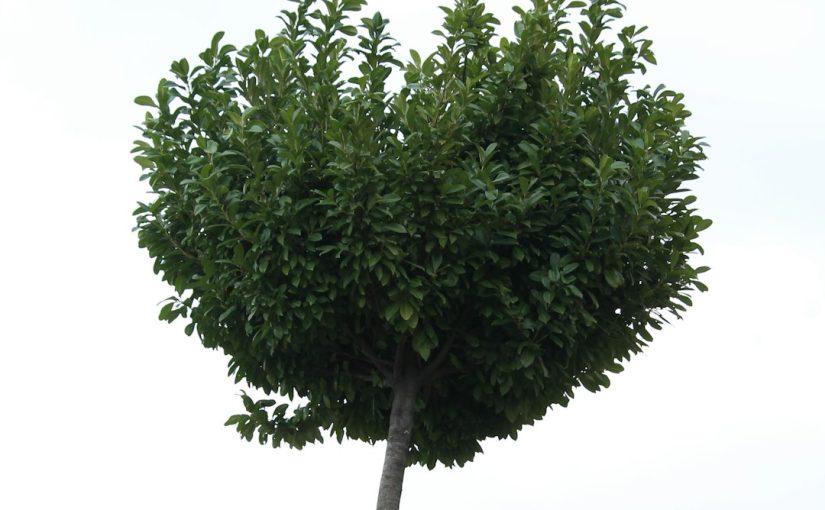
The Dwarf Alberta Spruce (Picea glauca ‘Conica’) is a beloved evergreen, celebrated for its perfect conical shape, dense foliage, and slow growth, making it an ideal choice for compact landscapes, containers, and as a formal accent. Its charming aesthetic, however, often belies a delicate nature, particularly when it comes to relocation. Transplanting this specimen can be one of the most stressful events in its life, frequently leading to a condition known as transplant shock. Understanding the specific challenges associated with moving a Dwarf Alberta Spruce is crucial for any gardener hoping to preserve its health and beauty. This article will delve into the common problems encountered during transplant, from root disturbance to post-planting care, offering insights and practical advice to help your treasured spruce thrive in its new home.
Understanding the dwarf alberta spruce’s unique needs before transplant
Before attempting to transplant a Dwarf Alberta Spruce, it is vital to appreciate its particular physiological characteristics. Unlike many more robust conifers, this cultivar possesses a shallow, fibrous root system that is highly sensitive to disturbance. This delicate root structure means that even careful digging can sever a significant portion of the fine feeder roots essential for water and nutrient uptake. Its slow growth rate, a feature admired in landscape design, also means that the spruce takes longer to recover from stress. Any damage inflicted during transplanting will have a more prolonged and pronounced impact on its recuperation time. Ideal transplanting times are typically in early spring, just as new growth begins, or in early fall, allowing the roots to establish before winter dormancy. Avoiding the heat of summer or the deep cold of winter minimizes additional environmental stress on an already vulnerable plant.
Preparing the plant for transplant, especially larger specimens, might involve root pruning in the year prior. This technique encourages the development of a more compact root ball, increasing the chances of retaining sufficient roots during the actual move. Hydrating the plant thoroughly a day or two before the move also ensures it starts the process well-watered, reducing initial shock.
Common transplant shock symptoms and their causes
Transplant shock is a set of symptoms that indicate a plant is struggling to adapt to its new environment following relocation. For a Dwarf Alberta Spruce, these symptoms can manifest in several ways, often appearing weeks or even months after the transplant. Recognizing these signs early is key to intervention. The primary cause is typically root damage, which impairs the plant’s ability to absorb water and nutrients, leading to dehydration and nutrient deficiency. However, other factors can exacerbate or directly cause problems.
Here is a table outlining common symptoms and their probable causes:
| Symptom | Probable Cause |
|---|---|
| Needle browning/yellowing | Root damage, insufficient watering, sun scald, nutrient deficiency. |
| Needle drop | Severe dehydration, extreme stress, root rot from overwatering. |
| Stunted or no new growth | Severe transplant shock, insufficient nutrients, prolonged dehydration. |
| Branch dieback | Extreme stress, severe root damage, disease opportunistic in weak plants. |
| Overall wilting or dull appearance | Dehydration (underwatering), root damage impairing water uptake. |
It is important to differentiate between transplant shock and pest or disease issues, though a stressed spruce is more susceptible to secondary problems. Consistent monitoring of soil moisture, protecting the plant from environmental extremes, and careful observation will help in diagnosing the exact problem.
Mitigating root disturbance and preparing the new site
Minimizing root disturbance is paramount for the Dwarf Alberta Spruce’s survival. When digging the plant, aim for a root ball that is as wide and deep as practically possible, typically at least 12-18 inches in diameter for a moderately sized specimen, or 1 inch in diameter for every inch of trunk diameter. Use a sharp spade to make clean cuts, avoiding jagged tears. Handle the root ball gently, lifting it from the bottom rather than pulling by the trunk or branches. Wrapping the root ball in burlap immediately after digging can help hold it together and protect the delicate roots during transport.
The new planting hole should be prepared before the plant is dug. It needs to be twice as wide as the root ball, but only as deep as the root ball. Planting too deeply is a common mistake and can lead to root suffocation. The top of the root ball should be level with, or slightly above, the surrounding soil grade. If your soil is heavy clay, consider amending the entire planting area with organic matter to improve drainage, rather than just the hole, which can create a “bathtub effect.” Ensure the new site offers adequate sun exposure (full sun to partial shade is ideal) and protection from harsh winds, which can desiccate needles.
Post-transplant care for successful recovery
Once your Dwarf Alberta Spruce is in its new home, diligent aftercare becomes the most critical factor in its recovery. Immediate and thorough watering is essential. Water slowly and deeply, allowing the water to penetrate the entire root ball and settle the soil around the roots. Air pockets can lead to root drying, so ensure the soil is firm. For the first year, maintaining consistent soil moisture is crucial. Check the soil regularly by inserting a finger a few inches deep; if it feels dry, it is time to water again. Overwatering, however, is equally detrimental, as it can lead to root rot. Good drainage is key.
Apply a 2-4 inch layer of organic mulch, such as wood chips or pine needles, around the base of the spruce. Keep the mulch a few inches away from the trunk to prevent moisture buildup and potential disease. Mulch helps retain soil moisture, regulates soil temperature, and suppresses weeds that compete for resources. Protect the plant from extreme conditions during its first year, if possible. Temporary shading from intense afternoon sun in summer or a windbreak in winter can significantly reduce stress. Avoid fertilizing immediately after transplanting, as this can burn fragile new roots. Wait until the spruce shows signs of new growth in its second season before considering a balanced, slow-release evergreen fertilizer. Patience and consistent care will allow your Dwarf Alberta Spruce to overcome transplant shock and establish itself beautifully.
Transplanting a Dwarf Alberta Spruce presents unique challenges due to its sensitive root system and slow recovery rate. As we’ve explored, understanding its specific needs, from initial preparation to diligent aftercare, is paramount for success. Symptoms like needle browning or stunted growth are often indicators of transplant shock, primarily stemming from root disturbance or improper watering. By carefully preparing the new site, gently handling the root ball to minimize damage, and then providing consistent moisture and protection, gardeners can significantly improve the spruce’s chances of thriving. Remember, the journey from one location to another is a stressful event for any plant, but with a strategic approach and unwavering attention to detail, your beloved Dwarf Alberta Spruce can overcome these hurdles. The key takeaways are meticulous planning, gentle execution, and patient, consistent post-transplant care. Embrace these practices, and you will ensure your spruce not only survives the move but flourishes in its new environment, continuing to bring its distinctive charm to your landscape for years to come.
Image by: Emre Coskun