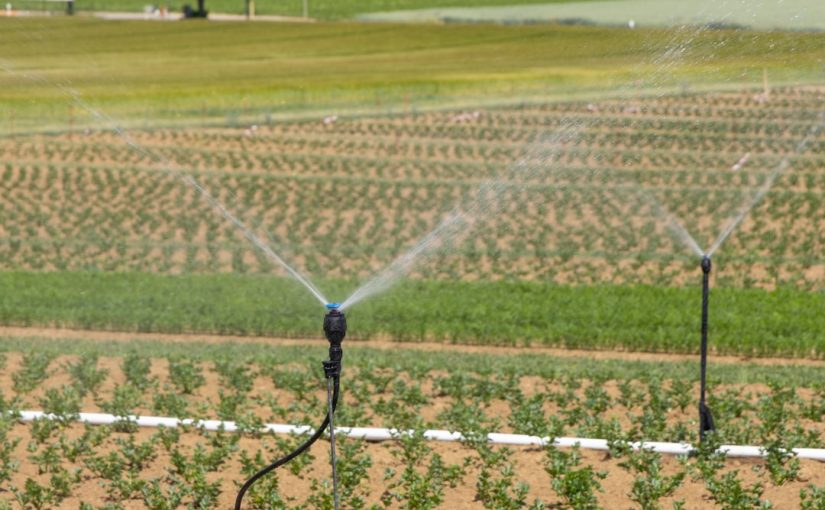
A well-maintained irrigation system is the backbone of a vibrant landscape, and for many property owners, the James Hardie Rain Dial controller has been a reliable choice. Known for its user-friendly interface and robust performance, the Rain Dial system, like any sophisticated electrical and plumbing network, can occasionally encounter issues that disrupt its operation. From minor glitches to complete system shutdowns, understanding how to diagnose and address these problems is crucial for efficient water management and plant health. This article will guide you through a systematic troubleshooting process, covering common electrical faults, programming errors, valve malfunctions, and sprinkler head issues, empowering you to restore your irrigation system to optimal functionality.
Understanding Your Rain Dial System and Initial Checks
Before diving into specific problems, it is essential to have a basic understanding of your James Hardie Rain Dial system. While models like the RD-600, RD-900, or RD-1200 share core functionalities, their specific features or internal layouts might vary slightly. Familiarize yourself with your controller’s manual if available, as it provides model-specific diagrams and instructions. The first step in any troubleshooting process should always involve a series of initial, general checks to rule out the simplest causes.
Begin by verifying the power supply. Is the controller securely plugged into a functioning electrical outlet? Check your home’s circuit breaker panel to ensure no breaker has tripped, which could cut power to the irrigation system. A completely blank display on your Rain Dial is a strong indicator of a power issue. Next, inspect the rain sensor, if your system is equipped with one. A common oversight is a rain sensor that has become activated due to recent precipitation, debris, or a malfunction, preventing the system from running. Many rain sensors have a bypass switch on the controller; try engaging it to see if the system then operates. Lastly, observe the display for any error codes or unusual messages, which can often point directly to the source of the problem.
Troubleshooting Electrical and Programming Issues
Many irrigation system problems stem from either electrical faults or incorrect programming. Identifying the root cause requires a methodical approach.
Electrical components: Your Rain Dial controller often contains a small internal fuse designed to protect its circuitry from power surges. If the display is completely dead or certain zones aren’t activating, check the fuse, usually located near the transformer or battery compartment. Replacing a blown fuse with one of the correct amperage is a simple fix. Beyond the controller, examine the wiring connections. Loose wires at the terminal strip inside the controller, or damaged wires leading to the zone valves in your yard, can prevent zones from operating. Look for signs of rodent damage, corrosion, or cuts, especially where wires are exposed. The solenoids on each zone valve are crucial electrical components. You can often test a solenoid by manually turning it a quarter to half turn counter-clockwise; if you hear a slight hiss of water or the valve opens, the solenoid itself might be faulty or the wire connection to it is loose.
Programming errors: A significant percentage of “system failures” are actually due to programming oversights. Check your program settings carefully:
- Start times: Are they set correctly for the desired watering times?
- Run times: Are zones programmed with adequate (or not excessive) run durations?
- Days of week: Is the system set to water on the correct days?
- Seasonal adjust: This feature allows you to globally adjust run times by a percentage. If set too low (e.g., 0% or 10%), it will severely limit or completely stop watering.
- Multiple programs: Ensure different programs aren’t conflicting or inadvertently canceling each other out.
- Backup battery: If your controller loses its programming after a power outage, the internal backup battery (usually a 9V battery) likely needs replacement.
Addressing Valve and Sprinkler Head Problems
Once you’ve ruled out power and programming, the next step is to investigate the physical components in your yard: the zone valves and sprinkler heads. These are subjected to water pressure, soil, and physical impact, making them common points of failure.
Zone valves: If a specific zone isn’t watering, or is watering continuously, the issue often lies with the corresponding zone valve. Valves can get stuck open or closed due to debris, a torn diaphragm, or a faulty solenoid. Most valves have a manual bleed screw or lever that allows you to manually open the valve. If a zone waters manually but not via the controller, the problem is likely electrical (solenoid, wiring) or programming related. If it doesn’t water manually, the valve itself (diaphragm, internal blockage) is the culprit. Conversely, if a zone is constantly running, the valve is stuck open, often due to debris lodged in the diaphragm or a worn-out internal component. For these issues, the valve will need to be dug up, disassembled, and cleaned or have its diaphragm replaced.
Sprinkler heads: For issues with water delivery within a functioning zone, turn your attention to the sprinkler heads.
- No water/low water from a head: The nozzle might be clogged with dirt or mineral deposits. Remove and clean or replace it.
- Uneven spray pattern: This often indicates low water pressure to that head, a partially clogged nozzle, or a physically damaged/bent riser.
- Broken heads: Heads can be damaged by lawnmowers, foot traffic, or freezing temperatures. A broken head will cause significant water loss and reduce pressure for other heads in that zone. These require replacement.
- Leaks: Puddles around a sprinkler head can indicate a leak at the base, a cracked casing, or a loose connection to the lateral line.
Here is a summary of common symptoms and their likely causes:
| Symptom | Likely Cause (Rain Dial System) | Initial Fix/Check |
|---|---|---|
| Controller completely blank | No power, blown internal fuse, transformer failure | Check outlet, breaker, replace fuse |
| No zones activate at all | Master valve issue, rain sensor active, pump start relay | Check master valve wiring/function, bypass rain sensor |
| One specific zone not working | Zone valve solenoid, wiring to valve, internal valve clog | Manually activate valve, check solenoid, inspect wiring |
| One specific zone constantly running | Zone valve stuck open (debris, diaphragm) | Turn off water to system, disassemble/clean valve |
| Low pressure on all zones | Mainline shut-off partially closed, backflow preventer issue, pump problem (if applicable) | Check main water supply, backflow device, pump relay |
| Low pressure on one zone | Partially clogged zone valve, mainline break to zone | Inspect zone valve internals, check for leaks/breaks |
Advanced Diagnostics and When to Call a Professional
For more persistent or complex issues, particularly those involving wiring or significant water pressure problems, advanced diagnostic tools and expertise become necessary. Using a multimeter, you can test for continuity in your wires from the controller to the valves, identifying breaks (open circuits) or shorts. A common advanced issue is a problem with the master valve, which controls water flow to the entire irrigation system. If all zones fail to operate, even after verifying power and programming, the master valve or its solenoid is a primary suspect. Troubleshooting a master valve often involves checking its solenoid and ensuring its internal diaphragm is functioning correctly. If your system uses a pump, the pump start relay could also be at fault, preventing the pump from turning on and supplying water.
While many common issues can be resolved with DIY troubleshooting, there comes a point where professional help is warranted. If you’ve systematically worked through these steps and still can’t identify the problem, or if the issue involves extensive underground pipe repairs, high-voltage electrical work, or complex hydraulic analysis, it’s time to call a certified irrigation technician. Professionals have specialized tools and knowledge to diagnose elusive problems, ensuring the safety and longevity of your system. Attempting advanced repairs without proper expertise can lead to further damage, safety hazards, or costly mistakes.
Troubleshooting your James Hardie Rain Dial irrigation system systematically allows you to identify and resolve many common issues, ensuring your landscape remains lush and healthy. We’ve explored critical initial checks, delved into diagnosing electrical and programming glitches, and examined typical problems with zone valves and sprinkler heads. By methodically checking power, inspecting wires, verifying programming, and physically examining components, you can pinpoint the source of most malfunctions. Remember the importance of safety—always turn off power to the controller before inspecting electrical components. Regular maintenance, such as cleaning sprinkler heads and periodically checking valve boxes, can also prevent many issues from arising. While many problems are solvable with a basic understanding and some tools, don’t hesitate to seek professional assistance for complex or persistent issues. A fully functional irrigation system is an investment in your property’s beauty and an essential tool for efficient water usage.
Image by: Being Organic in EU