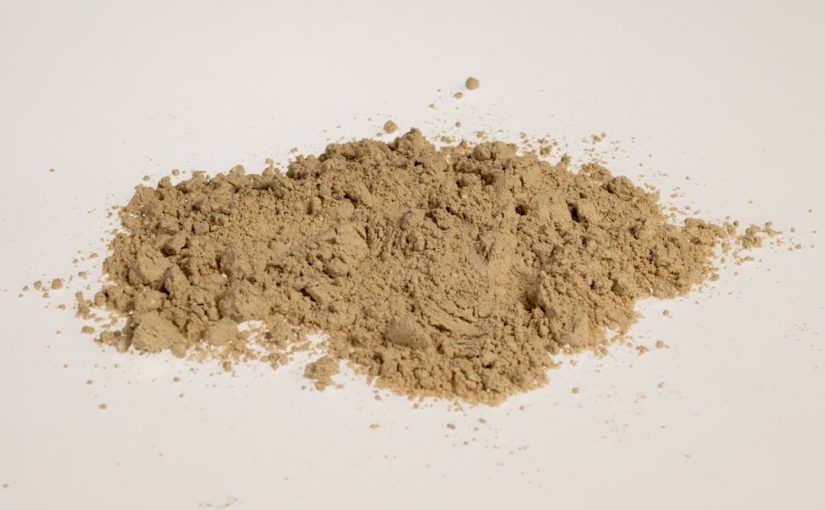
In the pursuit of sustainable agricultural practices and effective waste management, the potential use of coal ash as a soil amendment has garnered significant attention. A byproduct of coal combustion in power plants, coal ash – encompassing both fly ash and bottom ash – is a vast waste stream with complex chemical properties. This article delves into the multifaceted aspects of utilizing coal ash as a fertilizer, exploring its potential benefits for soil health and crop productivity, while rigorously examining the critical environmental and health considerations that must be addressed. Understanding the scientific nuances, regulatory frameworks, and best practices is paramount for responsibly integrating this material into agricultural systems, offering a potential pathway to resource efficiency and circular economy principles.
Understanding coal ash and its agricultural potential
Coal ash, a ubiquitous industrial byproduct, arises from the combustion of pulverized coal in thermal power plants. It primarily comprises two main types: fly ash, fine particles captured from the flue gases, and bottom ash, coarser, angular particles that settle at the bottom of the furnace. The chemical composition of coal ash is highly variable, influenced by the source of coal, combustion conditions, and emission control technologies. However, it generally contains a rich array of inorganic compounds, many of which are essential plant nutrients or soil conditioners.
From an agricultural perspective, coal ash often presents several appealing characteristics:
- Liming effect: Many types of fly ash contain significant amounts of calcium oxide (CaO) and magnesium oxide (MgO), which can effectively neutralize soil acidity, similar to agricultural lime. This can be particularly beneficial for acid soils, enhancing nutrient availability for plants.
- Source of micronutrients: Coal ash can be a repository for various micronutrients vital for plant growth, such as boron, molybdenum, zinc, copper, and iron. While these are present in small quantities, their supplementary addition can correct specific nutrient deficiencies in certain soil types.
- Improved soil physical properties: The fine, granular nature of fly ash can help improve soil texture, aeration, and water retention capacity, especially in heavy clay soils or sandy soils. Bottom ash, with its coarser particles, can also contribute to better drainage and structural stability.
- Macronutrients: While not typically a primary source, some coal ashes contain detectable levels of phosphorus and potassium, which are major plant macronutrients.
The potential for enhancing soil fertility and structure makes coal ash an intriguing prospect for agricultural reuse. However, realizing these benefits safely and effectively requires a thorough understanding of its precise chemical makeup and potential contaminants.
Risks and environmental considerations
Despite the potential benefits, the use of coal ash as a fertilizer is fraught with significant risks that necessitate stringent precautions and thorough scientific assessment. The primary concern revolves around the presence of heavy metals and other trace elements that can be toxic to plants, animals, and humans if present in high concentrations or if they become bioavailable in the soil environment.
Key environmental and health risks include:
- Heavy metal contamination: Coal ash can contain elevated levels of various heavy metals such as arsenic, cadmium, lead, mercury, selenium, chromium, and vanadium. These elements, if leached into groundwater or taken up by crops, pose serious health risks. Their bioavailability in soil is influenced by pH, organic matter content, and redox conditions.
- Leaching into water bodies: Improper application or storage of coal ash can lead to the leaching of soluble contaminants, including heavy metals and salts, into surface water and groundwater. This can pollute drinking water sources and harm aquatic ecosystems.
- Soil salinization: Some coal ashes have high salt content, which can increase soil salinity to levels detrimental to plant growth and microbial activity, especially in arid or semi-arid regions.
- Impact on soil biology: Changes in soil pH, nutrient balance, or heavy metal concentrations due to coal ash application can negatively impact beneficial soil microorganisms, affecting soil fertility and ecosystem health.
An initial comprehensive chemical analysis of the specific coal ash batch is indispensable. This analysis must quantify not only beneficial elements but, more critically, the concentration of potentially hazardous substances. Without such rigorous testing and careful management, the promise of coal ash as a soil amendment can quickly turn into an environmental liability.
Application methods and best practices
The safe and effective utilization of coal ash in agriculture hinges entirely on meticulous planning, precise application, and continuous monitoring. A one-size-fits-all approach is not viable, given the inherent variability in coal ash composition and diverse soil conditions.
The foundation of responsible application begins with comprehensive site-specific soil testing and coal ash characterization. Soil analyses should determine existing pH, nutrient levels, organic matter content, and baseline heavy metal concentrations. The coal ash itself must undergo detailed elemental analysis, especially for regulated heavy metals and soluble salts.
Considerations for best practices include:
- Appropriate application rates: Rates must be carefully calculated to avoid over-application, which can lead to excessive heavy metal accumulation or detrimental pH shifts. These rates often depend on the specific crop, soil type, and the ash’s composition.
- Even distribution: Uniform spreading is crucial to prevent localized hot spots of nutrient imbalances or contaminants.
- Integration with organic matter: Mixing coal ash with organic materials such as compost or manure can help immobilize heavy metals, improve soil structure, and buffer potential pH changes, thereby reducing risks.
- pH management: Given coal ash’s liming effect, it is typically more suitable for acidic soils. Its application to alkaline or neutral soils requires extreme caution to prevent excessive pH increases that can render essential nutrients unavailable to plants.
- Crop selection: Some crops are more tolerant to certain elements or pH ranges than others. Selecting appropriate crops for fields treated with coal ash can help mitigate risks of heavy metal uptake into the food chain.
- Long-term monitoring: Regular soil and plant tissue analyses are essential to track the accumulation of beneficial and harmful elements over time and to ensure that environmental thresholds are not exceeded.
Here is an illustrative table showing typical beneficial nutrient ranges in coal ash, though actual values vary widely:
| Element | Typical Range in Coal Ash (mg/kg) | Agricultural Role |
|---|---|---|
| Calcium (Ca) | 10,000 – 100,000+ | Soil pH adjustment, plant nutrient |
| Magnesium (Mg) | 5,000 – 30,000 | Chlorophyll component, enzyme activator |
| Potassium (K) | 500 – 20,000 | Water regulation, disease resistance |
| Sulfur (S) | 1,000 – 10,000 | Protein synthesis, enzyme activity |
| Boron (B) | 50 – 500 | Cell wall formation, sugar transport |
| Zinc (Zn) | 50 – 1,000 | Enzyme activity, hormone production |
This table highlights the potential for nutrient contribution, emphasizing why rigorous analysis of each specific ash source is non-negotiable before any agricultural application.
Regulatory landscape and future outlook
The application of coal ash in agriculture is subject to a complex and evolving regulatory landscape, primarily driven by environmental protection agencies at national and local levels. In the United States, for example, the Environmental Protection Agency (EPA) regulates coal combustion residuals (CCRs), including coal ash, under the Resource Conservation and Recovery Act (RCRA). While some beneficial uses, like its application in agriculture, are conditionally exempt from hazardous waste classification, these exemptions are contingent upon strict adherence to specific criteria that ensure environmental safety and prevent potential harm.
Key aspects of the regulatory framework often include:
- Maximum allowable concentrations of heavy metals in ash used for land application.
- Specific requirements for soil testing before, during, and after application.
- Limits on cumulative application rates over time.
- Monitoring requirements for groundwater and surface water.
- Reporting and record-keeping mandates.
The future outlook for coal ash as a fertilizer remains cautiously optimistic, contingent on continued scientific research and the development of robust, enforceable regulatory standards. Innovations in ash processing technologies, such as carbon capture and utilization (CCU) or advanced separation techniques, may help mitigate the heavy metal content in some fractions, making them safer for agricultural use. Furthermore, enhanced understanding of metal bioavailability in different soil types and under varying climatic conditions will enable more precise risk assessments and tailored application strategies.
Ultimately, the responsible utilization of coal ash in agriculture represents a unique opportunity to address two significant challenges simultaneously: industrial waste management and the demand for sustainable soil amendments. However, this opportunity can only be realized through an unwavering commitment to scientific rigor, environmental stewardship, and transparent regulatory oversight.
The prospect of repurposing coal ash as a fertilizer presents an intriguing dual solution to industrial waste management and the quest for sustainable agricultural inputs. As explored throughout this article, coal ash contains beneficial elements such as calcium, magnesium, and various micronutrients that can enhance soil fertility, adjust pH, and improve physical properties, particularly in acidic or degraded soils. However, this potential is inextricably linked to significant environmental risks, primarily stemming from the variable presence of heavy metals and other contaminants. Rigorous chemical analysis, site-specific soil testing, and adherence to carefully calculated application rates are not merely recommendations but absolute necessities to prevent harmful leaching and crop contamination.
The complex interplay of benefits and risks underscores the critical role of robust regulatory frameworks and continuous monitoring. Future applications will undoubtedly rely on further scientific advancements in ash characterization and processing, alongside a deeper understanding of long-term ecological impacts. While coal ash offers a pathway to resource efficiency, its integration into agricultural systems must proceed with extreme caution, prioritizing environmental protection and public health above all else. A balanced, science-driven approach is paramount for harnessing the potential of coal ash responsibly, ensuring its beneficial use without compromising the integrity of our ecosystems or food supply.
Image by: Aleksander Saks