Welcome to the intriguing world of bumpy squash, where texture is not just an aesthetic feature but a testament to nature’s diverse artistry. Far from being a flaw, the charmingly uneven surfaces of these cucurbits add character, depth, and unique culinary potential to our kitchens and decorative displays. From deeply furrowed skin to pronounced warts and knobbles, these varieties stand out in a patch brimming with smoother counterparts. This exploration will uncover the genetic fascinating reasons behind their distinctive exteriors, delve into their versatile culinary applications, and celebrate their undeniable appeal as ornamental wonders. Prepare to discover why sometimes, the most beautiful squash are the ones with a little extra personality.
The allure of the uneven surface
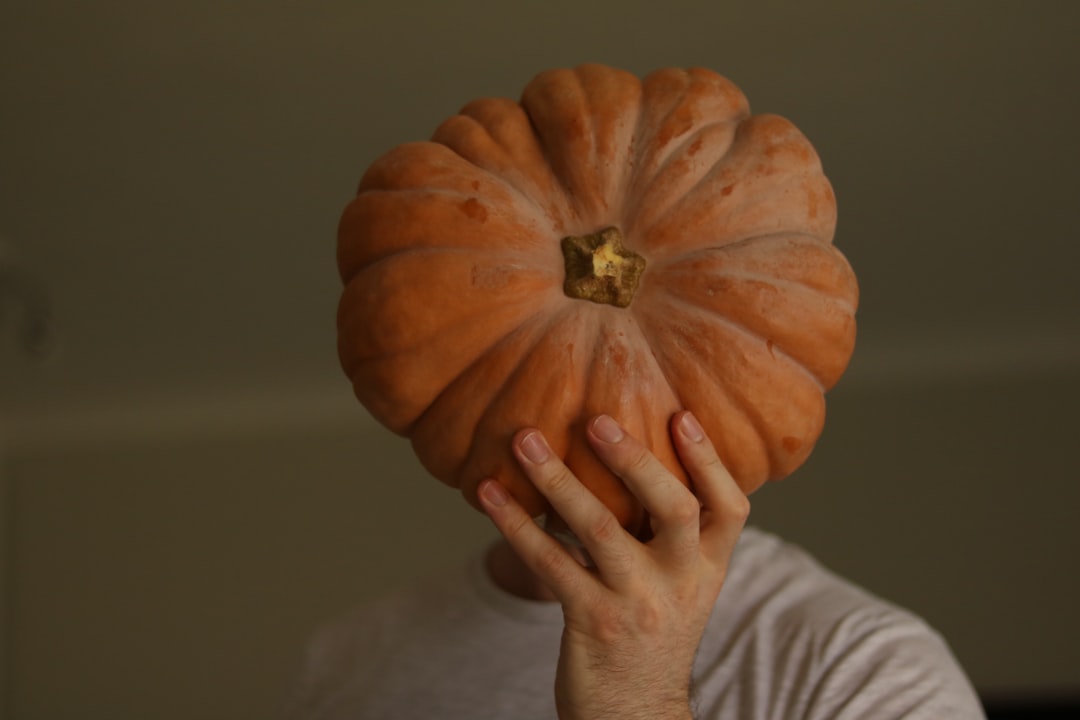
The distinctive bumpy textures found on certain squash varieties are far more than just visual quirks; they are often the result of fascinating genetic expressions and natural adaptations. These growths, which can range from subtle dimples to prominent warts and ridges, contribute significantly to the squash’s overall appeal. In some cases, these rugged skins act as a natural defense mechanism against pests or harsh weather conditions, proving that form often follows function in the plant kingdom. This rough exterior can also influence the squash’s ability to store and preserve itself, offering a longer shelf life compared to some smoother-skinned varieties. For gardeners and culinary enthusiasts alike, the presence of these irregular surfaces adds an undeniable layer of intrigue and beauty, transforming a simple vegetable into a work of natural art.
Culinary chameleon: bumpy squash in the kitchen
When it comes to culinary applications, the unique textures of bumpy squash often translate into distinct cooking experiences and flavor profiles. The thicker, often drier flesh beneath the uneven skin of varieties like ‘Marina di Chioggia’ or ‘Galeux d’Eysines’ caramelizes beautifully when roasted, developing a rich, nutty sweetness that is truly exceptional. Unlike their smooth-skinned cousins, the ridged surfaces can sometimes hold sauces and seasonings more effectively, allowing for a deeper infusion of flavor into every bite. From hearty soups and stews where their robust texture shines, to creamy purees and vibrant side dishes, these gnarly gourds offer a versatility that challenges conventional squash perceptions. Peeling can be a bit more challenging due to the unevenness, but the reward in taste and texture is well worth the effort, promising a more complex and satisfying culinary outcome.
Ornamental gems: beyond the plate
Beyond their delicious culinary contributions, many bumpy squash varieties are celebrated for their striking aesthetic qualities, making them highly prized as ornamental decorations. Their varied textures, often coupled with unique color palettes, transform them into natural sculptures perfect for autumn displays, harvest festivals, or simply as decorative elements in the home. The dramatic warts of the ‘Warted Hubbard’ or the peanut-like growths of the ‘Galeux d’Eysines’ create visual interest that can anchor a tablescape or add rustic charm to a porch display. Their durable skins also mean they can last for extended periods as decorative items, often well into the winter months. This dual functionality, serving both as a beautiful adornment and a wholesome food source, underscores the exceptional value and appeal of these wonderfully uneven squash.
A gallery of gnarly gourds: specific varieties
Delving into specific examples reveals the true diversity within the bumpy squash family. Each variety boasts its own distinct characteristics, making them unique in appearance and application. Understanding these differences can help both gardeners and home cooks choose the perfect bumpy squash for their needs.
| Variety name | Key characteristics | Culinary use | Ornamental use |
|---|---|---|---|
| Marina di Chioggia | Deep blue-green, heavily warted, flattened turban shape. Sweet, orange flesh. | Roasting, gnocchi, soups, pies. Excellent for Italian dishes. | Striking fall displays, rustic decor. |
| Galeux d’Eysines | Salmon-pink skin covered in beige “peanuts” (sugar spots). Moist, sweet, orange flesh. | Soups, purees, roasting, baking. Highly prized for flavor. | Unique, conversation-starting centerpiece. |
| Warted hubbard | Dark green, extremely bumpy/warted skin, teardrop shape. Dense, rich orange flesh. | Baking, roasting, mashing, pies. Excellent storage squash. | Dramatic focal point in autumn arrangements. |
| Turk’s turban | Often mottled, with a distinctive “turban” cap, sometimes with bumps or ridges. Mild, nutty flesh. | Stuffing, baking. The cap can be used as a serving bowl. | Highly decorative; perfect for harvest tables. |
These varieties represent just a glimpse into the vast and varied world of bumpy squash, each offering its own blend of aesthetic appeal and culinary potential.
Conclusion
The world of bumpy squash is a vibrant testament to nature’s creativity, offering much more than meets the eye. From their intriguing genetic origins and natural defenses to their versatile roles in the kitchen and as decorative accents, these textured cucurbits truly enrich our culinary and aesthetic experiences. We’ve journeyed through their unique ability to caramelize beautifully, the rich flavors they impart in diverse dishes, and their undeniable charm as autumnal centerpieces. The ‘Marina di Chioggia’, ‘Galeux d’Eysines’, and ‘Warted Hubbard’ stand out as prime examples, showcasing how texture translates into both deliciousness and distinctive visual appeal. Embracing these bumpy varieties not only broadens our culinary horizons but also connects us more deeply with the fascinating diversity of the plant kingdom. So next time you encounter a squash with a little extra character, consider the hidden depths and delightful possibilities it holds.