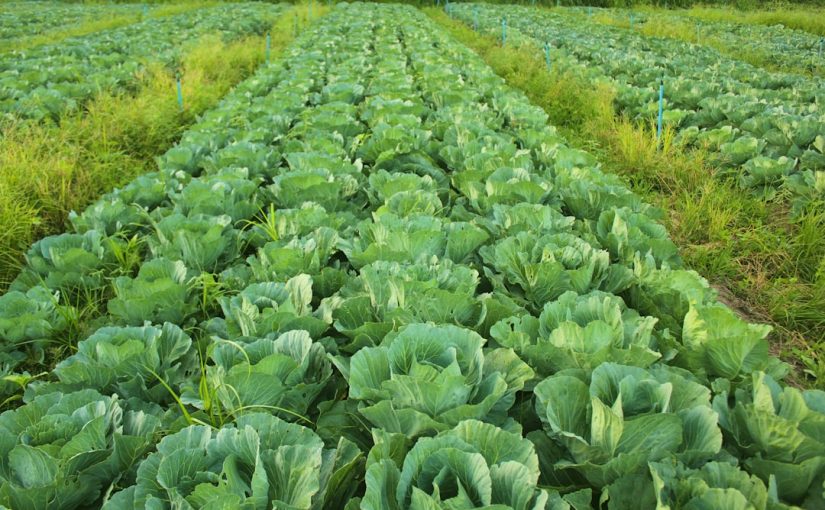
For many enthusiastic gardeners, the sight of young brassica plants beginning to unfurl their vibrant green leaves is a truly rewarding experience. However, this joy can quickly turn to confusion and frustration when unwanted weeds emerge, deceptively mimicking the very plants you’ve meticulously cultivated. Identifying these imposters early is crucial for maintaining a healthy garden, as mistaken identity can lead to accidental removal of your precious crops or, conversely, allowing aggressive weeds to outcompete and stunt your genuine cabbage plants. This article delves into the common weeds that bear a striking resemblance to young cabbage, providing detailed identification tips and practical strategies to help you distinguish your prized produce from the unwelcome invaders, ensuring your garden thrives.
The great cabbage imposters: understanding the challenge
The initial stages of plant growth present a unique challenge for gardeners, especially when dealing with vegetables like cabbage. Many common weeds, particularly those belonging to the mustard family (Brassicaceae), have evolved to mimic the early rosette growth pattern of cultivated brassicas. This mimicry isn’t just a coincidence; it’s an evolutionary advantage for the weeds. By appearing similar to a desirable crop, they may evade early detection and removal by gardeners who are hesitant to pull out what might be a valuable plant. This deception can lead to significant issues, from wasted time nurturing weeds to allowing them to consume vital nutrients, water, and sunlight that your genuine cabbage plants desperately need. The economic cost, in terms of lost yield and increased labor for later weeding, can be substantial, making accurate identification paramount from the seedling stage onwards.
Common weed culprits and their deceptive characteristics
Several notorious weeds are particularly adept at masquerading as young cabbage plants. Understanding their specific deceptive traits is the first step towards accurate identification.
- Shepherd’s purse (Capsella bursa-pastoris): This widespread annual weed is a prime mimic. In its rosette stage, its basal leaves are deeply lobed and can appear somewhat similar to young cabbage leaves, especially varieties with frilly or curly edges. The leaves often have a slight grayish-green tint.
- Wild mustard (Sinapis arvensis): Another member of the mustard family, wild mustard seedlings develop a rosette of leaves that can easily be confused with young cabbage. Its leaves are typically larger than shepherd’s purse and can be somewhat rough or hairy, with a distinctive mustardy smell when crushed.
- Wild radish (Raphanus raphanistrum): While it eventually produces distinct flowers and seed pods, the young rosette leaves of wild radish can also be mistaken for cabbage. Its leaves tend to be deeply lobed, often with a rough, bristly texture, and they too emit a pungent odor when bruised.
- Charlock (Sinapis alba or Brassica kaber): Similar to wild mustard, charlock starts with a basal rosette. Its leaves are typically rough and hairy, often broader and more irregularly lobed than some other mustard weeds, making it a convincing doppelganger in its early stages.
To further illustrate their characteristics, consider the following comparison of early growth:
| Weed Name | Leaf Shape/Texture (Early Stage) | Color | Other Distinguishing Features |
|---|---|---|---|
| Shepherd’s purse | Deeply lobed to spatulate, often smooth | Grayish-green | Later produces heart-shaped seed pods |
| Wild mustard | Rough, hairy, deeply lobed or toothed | Medium green | Pungent odor when crushed; produces yellow flowers |
| Wild radish | Rough, bristly, deeply lobed with larger terminal lobe | Medium to dark green | Distinctive pungent smell; produces pale yellow to white flowers with purple veins |
| Charlock | Rough, hairy, broadly lobed to toothed | Medium green | Strong pungent odor; produces bright yellow flowers |
Key differentiators: telling your cabbage from a weed
While the resemblance can be striking, careful observation reveals several critical differences between true cabbage and its common weed mimics. The key lies in scrutinizing details often overlooked at first glance.
- Leaf texture and surface: Genuine cabbage leaves, especially younger ones, often have a smooth, waxy, and sometimes glaucous (bluish-white bloom) coating, making water bead up. Weed leaves are typically rougher, often hairy or bristly, and lack this distinct waxy sheen.
- Petiole and stem attachment: Cabbage leaves often have broader petioles (leaf stalks) that clasp or partially enclose the central stem, giving a more compact appearance. Weed petioles are usually more slender and less integrated into the plant’s core structure.
- Odor test: Crush a small piece of a leaf. True cabbage will have its characteristic, albeit mild, “cabbage” scent. Many mustard family weeds, however, will emit a much stronger, more pungent, or peppery “mustard” smell.
- Color nuances: While both are green, cabbages often exhibit a distinct blue-green or even purplish tint, especially in cooler weather or certain varieties. Weeds typically present a more uniform, brighter green.
- Growth habit and stem development: Cabbage plants are designed to form a dense head or a tight rosette for an extended period. Weeds, conversely, tend to “bolt” or send up a central flowering stalk much more quickly, especially under stress, rather than continuing to form a compact leafy mass.
- Root system: While harder to observe without disturbing the plant, cabbage develops a robust taproot system. Some weeds may have a more fibrous root system or a thinner taproot, which can sometimes be discerned if gently excavated.
By comparing these specific attributes, even novice gardeners can become proficient in distinguishing their valuable crop from persistent weeds.
Practical tips for weed management and prevention
Effective weed management is an ongoing process that begins even before planting. Implementing a few key strategies can significantly reduce the challenges posed by cabbage-mimicking weeds.
- Prepare your seedbed thoroughly: Before planting your cabbage, clear the area of any existing weeds and their seeds. Solarizing the soil or using a stale seedbed technique (watering and waiting for weeds to germinate, then cultivating them shallowly before planting your crop) can be very effective.
- Mulch generously: Applying a thick layer of organic mulch (straw, wood chips, shredded leaves) around your cabbage plants is one of the best ways to suppress weed growth. Mulch blocks sunlight, inhibiting germination, and also conserves soil moisture.
- Maintain proper spacing: Plant cabbage at its recommended spacing. Overcrowding can stress plants, making them more susceptible to weed competition. Proper spacing also allows for better air circulation and easier access for weeding.
- Hand weed early and often: This is the most crucial step for weeds that look like cabbage. As soon as you can confidently identify a weed, pull it out. Waiting allows weeds to establish deeper roots and potentially go to seed, perpetuating the problem.
- Practice crop rotation: Rotating your brassicas with other plant families (legumes, root vegetables) can help break the life cycles of specific weeds that thrive in brassica cultivation.
- Encourage healthy soil: Vigorous cabbage plants in healthy, nutrient-rich soil are naturally more competitive against weeds. Incorporate compost and ensure good drainage and appropriate pH levels.
Consistency and vigilance are your greatest allies in the battle against these deceptive garden invaders.
Conclusion
Navigating the early stages of a cabbage patch can be a tricky endeavor, with numerous weeds poised to mimic your valuable crops. This article has highlighted the primary culprits, such as shepherd’s purse, wild mustard, wild radish, and charlock, all of which present a significant challenge due to their similar rosette growth patterns. We’ve explored critical distinguishing features, from leaf texture and odor to petiole structure and growth habit, offering practical markers to help you confidently identify your genuine cabbage plants. By understanding these subtle differences and implementing proactive weed management strategies like thorough bed preparation, mulching, proper spacing, and diligent hand-weeding, you can safeguard your garden. The ability to accurately tell your cabbage from a weed not only saves time and effort but ultimately ensures a healthier, more productive yield, transforming potential frustration into gardening success.
Image by: Wanasanan Phonnaun