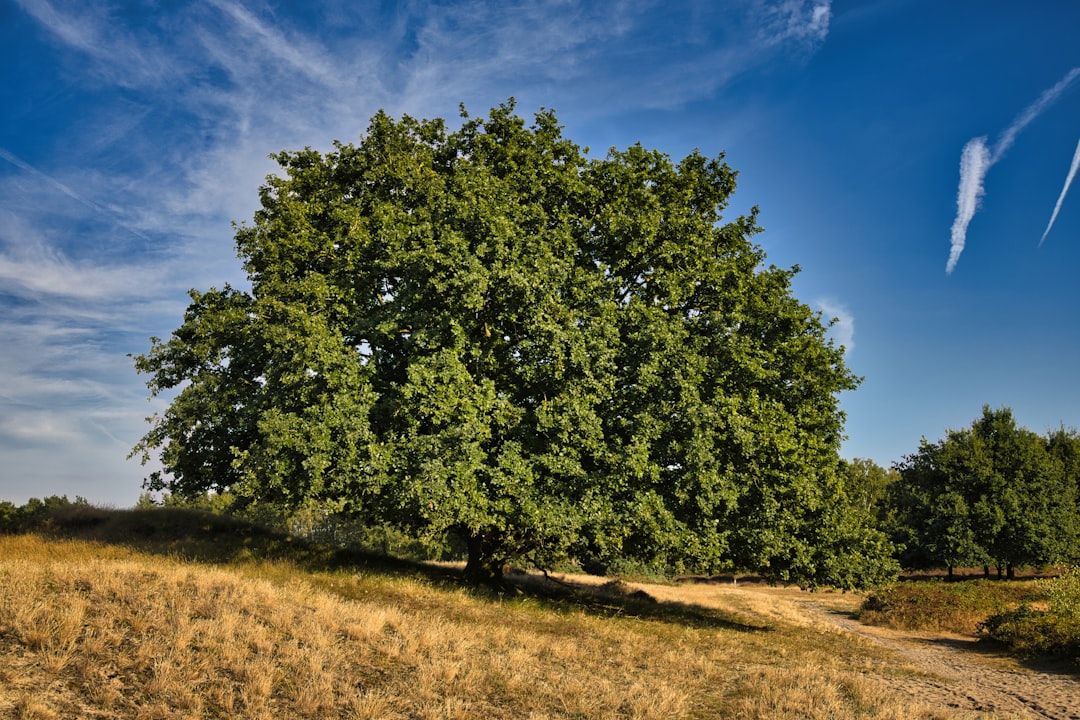
The majestic live oak, with its sprawling branches and evergreen foliage, is an iconic fixture across the southeastern United States. These resilient trees provide crucial shade and habitat, but even they are not immune to issues that can mar their beauty. One common concern that often prompts homeowners and landscapers to seek answers is the appearance of mysterious black spots on their otherwise vibrant leaves. While initially alarming, understanding the underlying causes of these blemishes is the first step toward effective management and ensuring your live oak thrives for generations. This article will delve into the primary culprits behind these dark marks, exploring both common fungal infections and other environmental factors that contribute to this widespread phenomenon, offering clarity on how to diagnose and address the problem.
The primary culprit: Fungal diseases
When black spots appear on live oak leaves, the most frequent offender is a fungal disease known as tar spot, primarily caused by the pathogen Actinopelte dryina. This fungus manifests as distinct, raised, often shiny black lesions on the upper surface of the leaves, sometimes with a yellow halo surrounding them in early stages. These spots can vary in size, from small specks to larger, coalescing blotches that can cover a significant portion of the leaf surface. While rarely fatal to mature, established trees, a severe infection can lead to premature leaf drop, weakening the tree and making it more susceptible to other stressors.
The life cycle of Actinopelte dryina is closely tied to environmental conditions. Spores typically overwinter on fallen leaves from the previous growing season. In spring, when temperatures rise and moisture is abundant – often triggered by rain – these spores are released and carried by wind and rain splash to newly emerging live oak leaves. Once they land on a wet leaf surface, the spores germinate, penetrate the leaf tissue, and begin to develop, leading to the visible black spots by mid to late summer. High humidity and prolonged periods of leaf wetness are critical factors that encourage the spread and severity of tar spot.
Environmental factors and contributing stressors
While fungal pathogens like tar spot are the direct cause of many black spots, certain environmental conditions and tree stressors play a significant role in their prevalence and severity. A live oak’s susceptibility to disease is often a reflection of its overall health and growing environment.
- Humidity and air circulation: Live oaks thrive in warm, humid climates, which unfortunately also favor fungal growth. However, dense canopies or closely planted trees can create pockets of stagnant, high-humidity air around the leaves, extending periods of leaf wetness and providing ideal conditions for fungal spores to germinate and infect. Proper pruning to improve air circulation within the canopy can significantly reduce disease pressure.
- Watering practices: Both insufficient and excessive watering can stress a live oak. Drought stress can weaken a tree’s natural defenses, making it more vulnerable to disease. Conversely, overhead irrigation that keeps foliage wet for extended periods can inadvertently encourage fungal development. Deep, infrequent watering at the root zone is generally recommended.
- Soil health and nutrition: Poor soil drainage, compaction, or nutrient deficiencies can hinder a tree’s ability to resist pathogens. A healthy soil ecosystem, rich in organic matter, supports robust root growth and overall tree vigor, which are essential for disease resistance.
- Tree age and health: Younger, less established live oaks or those already stressed by transplant shock, pest infestations, or other diseases tend to be more susceptible to severe tar spot infections compared to healthy, mature trees.
Beyond tar spot: Sooty mold and other considerations
While Actinopelte dryina is a primary suspect, not all black spots on live oak leaves are a direct result of fungal infection of the leaf tissue itself. Another common cause, often presenting as a superficial black coating, is sooty mold.
Sooty mold is not a disease that infects the tree itself but rather a fungus that grows on honeydew, a sticky, sugary excretion produced by various sap-sucking insects. Common culprits include:
- Aphids
- Scale insects
- Whiteflies
- Mealybugs
These pests feed on the phloem sap of the live oak, and their sugary excretions drip onto the leaves below. The sooty mold fungus then colonizes this honeydew, forming a thin, black, powdery, or sometimes crusty layer on the leaf surface. While sooty mold doesn’t directly harm the leaf tissue, a severe coating can block sunlight, reducing the leaf’s ability to photosynthesize, which can eventually impact the tree’s vigor. The presence of sooty mold is a strong indicator of an underlying sap-sucking insect infestation that needs to be addressed.
Here’s a quick comparison of key characteristics:
| Characteristic | Tar Spot (Actinopelte dryina) | Sooty Mold |
|---|---|---|
| Appearance | Raised, distinct, shiny black lesions; often with yellow halo | Superficial, powdery/crusty black film; can be wiped off |
| Location | Embedded in leaf tissue | On leaf surface, growing on honeydew |
| Primary Cause | Fungal infection of leaf | Secondary growth on insect honeydew |
| Impact | Leaf damage, premature drop (rarely fatal) | Blocks photosynthesis, indicates pest problem |
Prevention and management strategies
Effectively managing black spots on live oak leaves involves a combination of cultural practices, environmental adjustments, and, in some cases, targeted interventions. The goal is to promote overall tree health and reduce the conditions that favor fungal development or pest infestations.
- Pruning for air circulation: Regularly prune live oaks to remove dead, diseased, or crossing branches. Thinning the canopy improves air circulation and light penetration, helping leaves dry more quickly after rain or irrigation and reducing the conducive environment for fungal growth.
- Sanitation: Rake and remove fallen live oak leaves, especially in autumn, as they can harbor overwintering fungal spores. Proper disposal helps break the disease cycle.
- Proper watering: Water deeply and infrequently at the tree’s drip line, avoiding overhead irrigation that wets the foliage. This encourages deep root growth and minimizes leaf wetness duration.
- Soil health and nutrition: Ensure adequate soil drainage and consider soil testing to address any nutrient deficiencies. A healthy soil structure supports a robust tree with better natural defenses.
- Pest management for sooty mold: If sooty mold is present, the primary focus should be on controlling the sap-sucking insects producing the honeydew. This might involve horticultural oils, insecticidal soaps, or systemic insecticides, applied according to product labels and local recommendations. Beneficial insects can also help manage pest populations.
- Fungicides: For severe tar spot infections, particularly on young or stressed trees, preventative fungicide applications may be considered. These are typically applied in spring when new leaves are emerging and before the fungus has a chance to establish. It’s crucial to consult with a certified arborist or local extension office for specific product recommendations and timing, as fungicides are most effective as a preventative measure.
The appearance of black spots on live oak leaves, while a common sight, doesn’t have to be a cause for alarm. The most frequent culprit is the fungal disease known as tar spot, caused by Actinopelte dryina, which thrives in humid conditions. Less often, a superficial black coating might be sooty mold, a secondary issue signaling the presence of sap-sucking insects like aphids or scale. Understanding the distinction between these causes is crucial for effective management. Environmental factors such as poor air circulation, improper watering, and overall tree stress can significantly increase a live oak’s susceptibility to these issues. By implementing proactive measures such as judicious pruning, diligent sanitation, proper watering, and maintaining optimal soil health, you can bolster your tree’s natural defenses. Addressing underlying pest problems promptly will mitigate sooty mold. With an integrated approach focused on cultural practices and timely intervention when necessary, your live oaks can continue to thrive, gracing landscapes with their iconic beauty for many years to come.
Image by: Vinicius Feiten